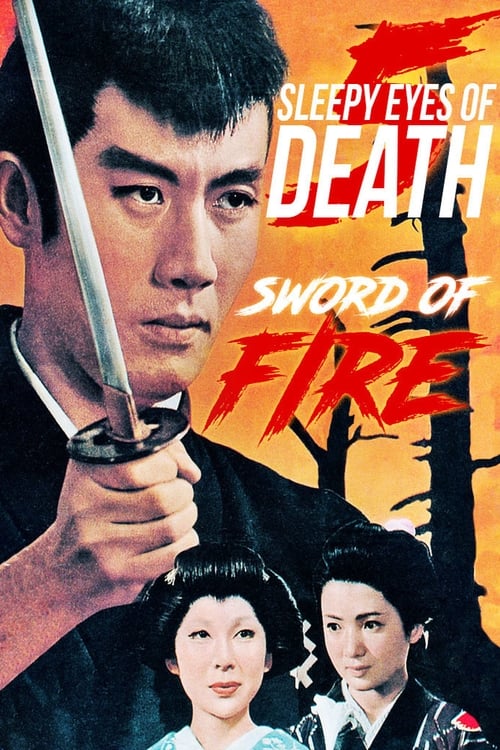
Sleepy Eyes of Death 5: Sword of Fire
1965
No user ratings available yet
Representation score: 3.0 out of 10
Representation Score
Limited
1964
Not RatedDirector
Kenji Misumi
Runtime
83 minutes
Average Rating
No ratings yetNew Showbiz Analysis
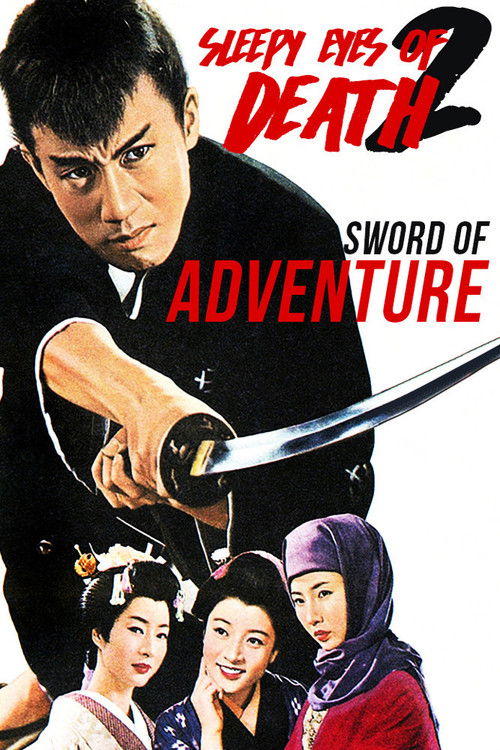
Sleepy Eyes of Death 2: Sword of Adventure is a genre-driven action film that emphasizes the existential isolation of its protagonist. It serves as a critique of institutional corruption, using the tension between personal freedom and rigid Shogunate hierarchies to propel the narrative. The film lacks contemporary markers of diversity such as LGBTQ+ or disability representation. However, it challenges the 'stable leader' cliché by depicting the ruling class as unstable and predatory. Overall, the story highlights the ability to act of a underrepresented wanderer over the oppressive structures of the time, providing a nuanced perspective on power and social order.
Category Breakdown
The film does not include explicit evidence of LGBTQ+ characters or non-straight identities. The narrative centers on traditional interpersonal conflicts and feudal power dynamics.
While the main character is male, the Shogun's daughter plays a key role in driving the plot forward. She uses her political influence to bring about systemic changes rather than staying passive.
The cast is ethnically uniform, reflecting the historical context of Edo-period Japan. The film avoids whitewashing and focuses on the internal social stratification within Japan.
The story explores moral relativism through a protagonist who operates outside conventional Confucian ethics. It also critiques the corruption within centralized authority and the Shogunate.
There is no documented evidence showing the portrayal of physical or neurodivergent disabilities in this film.
Present on Screen
Limited or Absent
Official Synopsis
Wandering samurai Nemuri Kyoshiro (Raizô Ichikawa) finds a bulls-eye on his back after befriending the shogunate's tightfisted financial adviser, Asahina, who's earned the wrath of the shogun's self-indulgent daughter for cutting off her allowance. The enraged princess promptly hatches a scheme to have Asahina bumped off -- along with his protector, Kyoshiro. Shiho Fujimura also stars in this installment of the enormously popular film series.
1965
1972
1964
1962
1969
1980
1964

1963
No reviews yet. Be the first to share your thoughts on this movie!
Use the rating form above to leave a star rating and optional review.