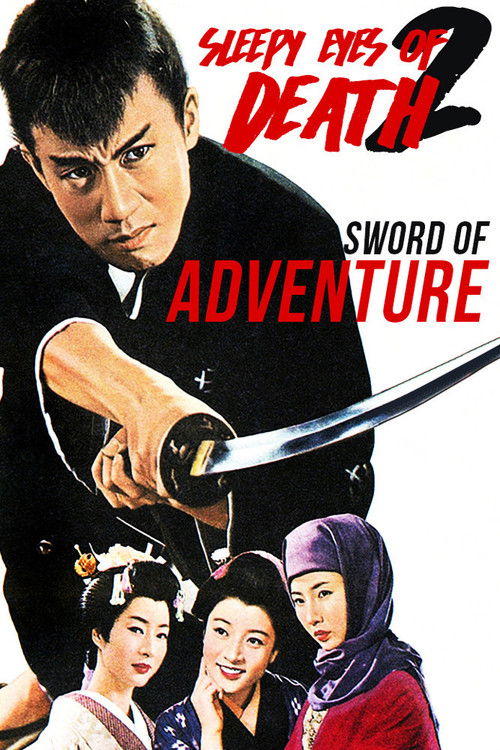
Sleepy Eyes of Death 2: Sword of Adventure
1964
No user ratings available yet
Diversity score: 3.7 out of 10
1960
Director
Kenji Misumi
Runtime
106 minutes
Average Rating
No ratings yetSynopsis
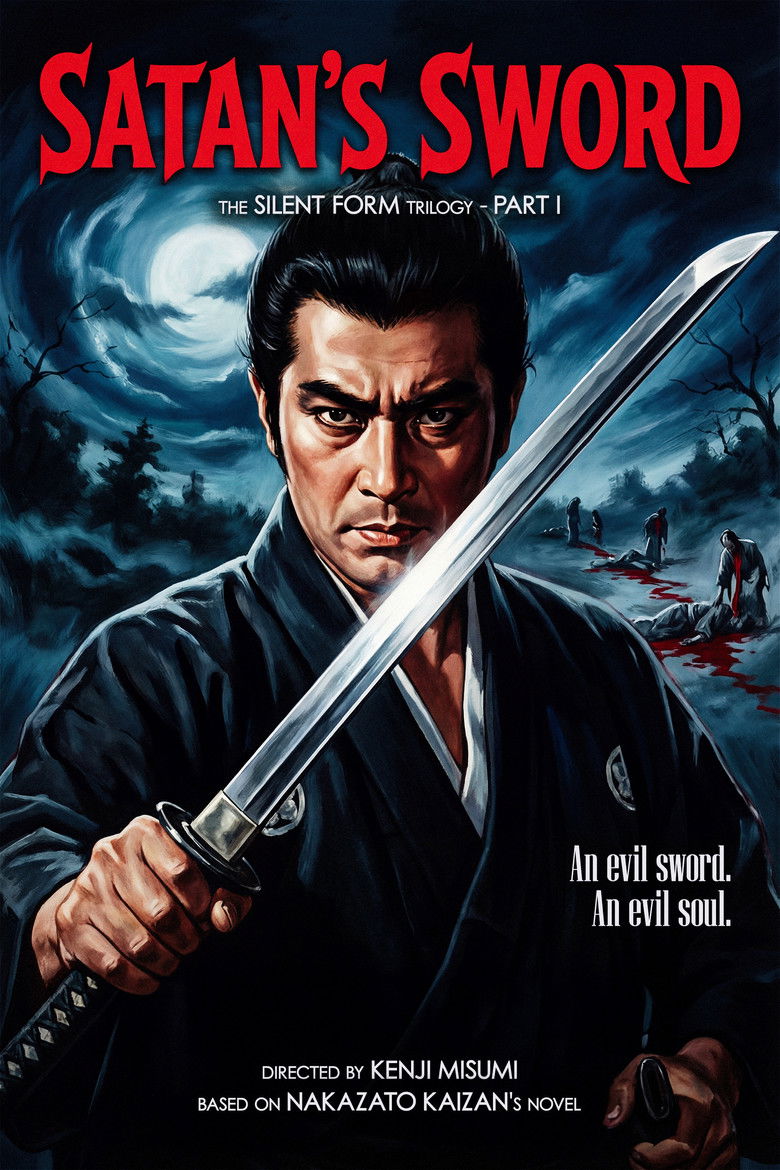
The Dai-bosatsu toge trilogy is based on Kaizan Nakazato's unfinished long series of novels (41 books, written from 1913 to 1941). Set in the last period of the Tokugawa Shogunate, Daibosatsu Toge tells the story of Ryunosuke Tsukue, a nihilistic swordmaster who doesn't hesitate to kill anyone, bad or good.
Overall Score
Fair
Category Breakdown
LGBTQ+ Representation
The film operates within traditional social frameworks. There is no evidence of non-heteronormative identities or narratives that critique heteronormativity.
Gender Representation
The narrative centers on a male-dominated sphere of swordsmanship and political instability. While the protagonist's nihilism challenges certain masculine roles, female agency is not present.
Racial & Ethnic Diversity
As a Japanese period piece, the cast is ethnically homogeneous. The film explores internal social hierarchies but does not engage with racial or ethnic intersectionality.
Religious & Cultural Diversity
The film offers progressive potential by portraying moral relativism. By centering a nihilistic protagonist, it challenges the singular ethical frameworks and rigid institutions of the Shogunate.
Disability Representation
The film provides no evidence regarding the depiction of physical or neurodivergent disabilities.
Strengths
Areas for Improvement
AI Analysis
Satan's Sword is a genre-driven character study that prioritizes psychological depth over modern intersectional markers. It functions primarily as a deconstruction of the traditional bushido code through its protagonist, Ryunosuke Tsukue. While the film lacks representation for LGBTQ+ identities, racial diversity, or disability, it finds its strength in narrative complexity. It replaces the standard heroic archetype with a nihilistic agent of chaos. Ultimately, the film's value lies in its sophisticated, situational approach to ethics. It challenges the historical status quo by refusing to provide a traditional moralizing lens.
1964
1965
1965
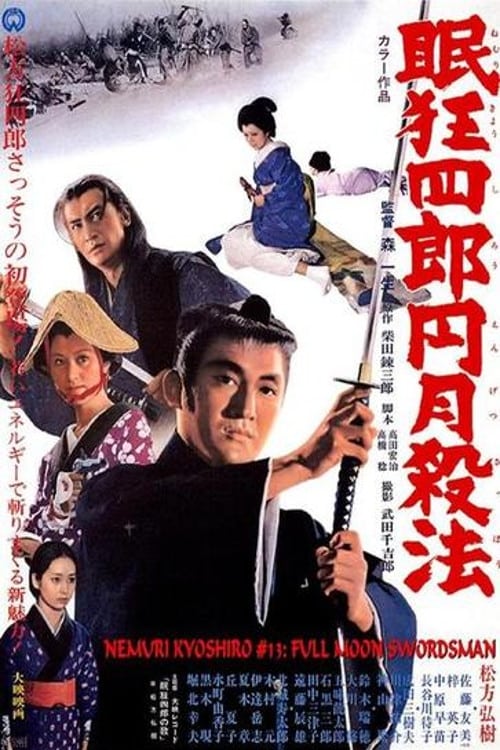
1969
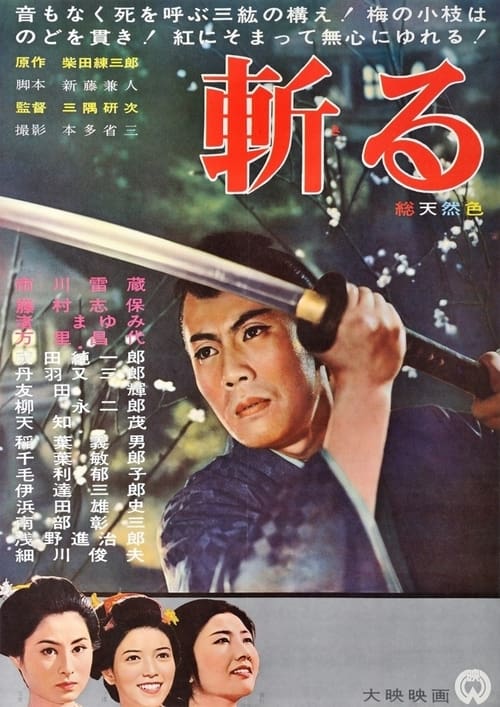
1962
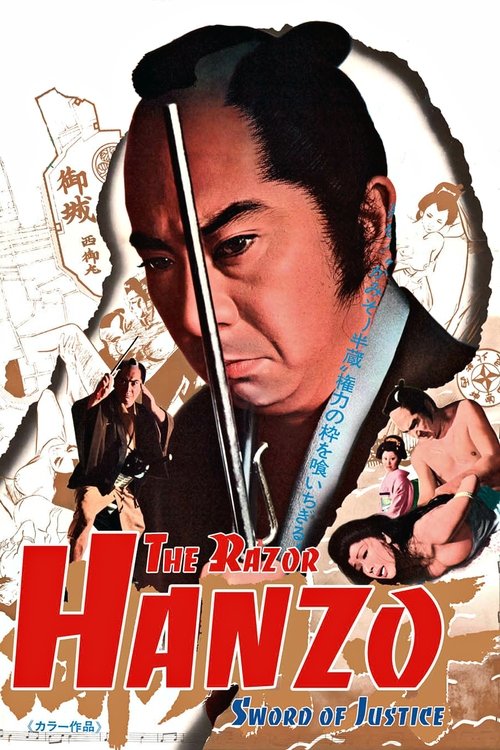
1972
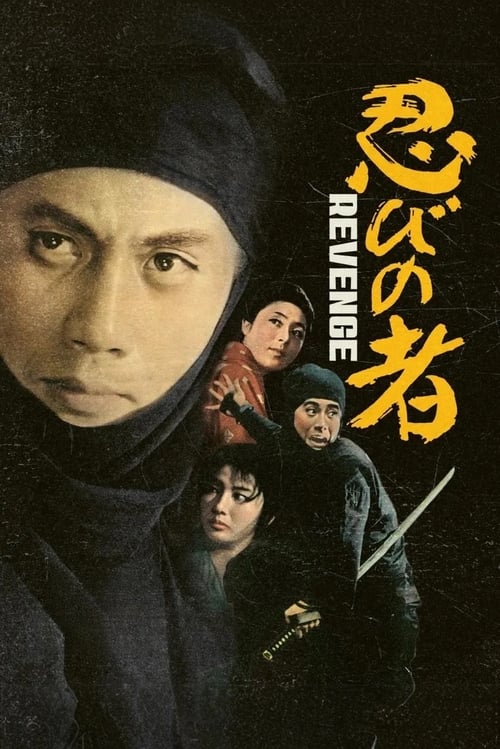
1963
1963
1972

1972
1969
1973
No reviews yet. Be the first to share your thoughts on this movie!
Use the rating form above to leave a star rating and optional review.