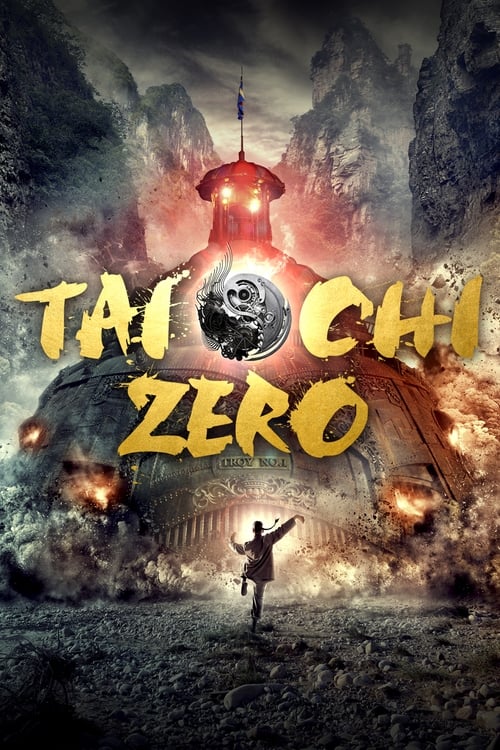
Tai Chi Zero
2012
No user ratings available yet
Representation score: 4.1 out of 10
Representation Score
Fair
2012
NRDirector
Stephen Fung
Runtime
100 minutes
Average Rating
No ratings yetNew Showbiz Analysis
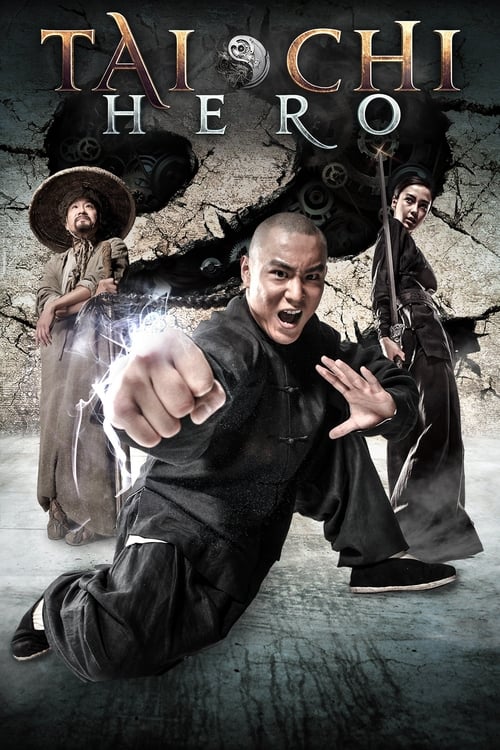
Tai Chi Hero is a martial arts epic that emphasizes the wuxia tradition of personal mastery. Its key strength lies in its cultural authenticity and the integration of Chinese martial arts history within a steampunk aesthetic. However, the film adheres to conventional narrative structures. It upholds traditional masculine leadership and does not actively challenge established social hierarchies or incorporate diverse identity politics into its character arcs. Ultimately, the film celebrates heritage without critiquing systemic power or subverting traditional gender roles.
Category Breakdown
The film does not include any visible LGBTQ+ characters or stories. Relationships and romance revolve around traditional family and romantic structures typical of the time period.
The story centers on a male-dominated arc, emphasizing the protagonist's physical abilities. Female characters primarily serve to support the male lead's journey.
The film showcases a predominantly Chinese cast grounded in East Asian history. It successfully highlights a Chinese narrative within a high-budget production format.
The storyline emphasizes the preservation of traditional Tai Chi knowledge. It avoids Western-centric morals, focusing instead on celebrating cultural heritage.
The main character has a growth on his forehead as a child, which serves as a catalyst for his journey. However, this physical difference is used more as a plot device than a detailed exploration of disability.
Present on Screen
Limited or Absent
Official Synopsis
Chinese steampunk martial arts blockbuster about the early years of Tai chi master Yang Luchan, the man who founded in the 19th century what has now become the most popular Tai Chi style in the world. The second instalment of the "Tai Chi" trilogy continues the journey of Yang Luchan, a gifted child with a fleshy growth on his forehead who helped save a village from a frightening army of steampunk soldiers bearing strange machines with the knowledge of Tai Chi that they entrusted him with.
2012
1967

2007

1978
2012
2008
2008

2012
No reviews yet. Be the first to share your thoughts on this movie!
Use the rating form above to leave a star rating and optional review.