
The 36th Chamber of Shaolin
1978
No user ratings available yet
Representation score: 4.6 out of 10
Representation Score
Limited
1973
Director
Joseph Kuo
Runtime
90 minutes
Average Rating
No ratings yetNew Showbiz Analysis
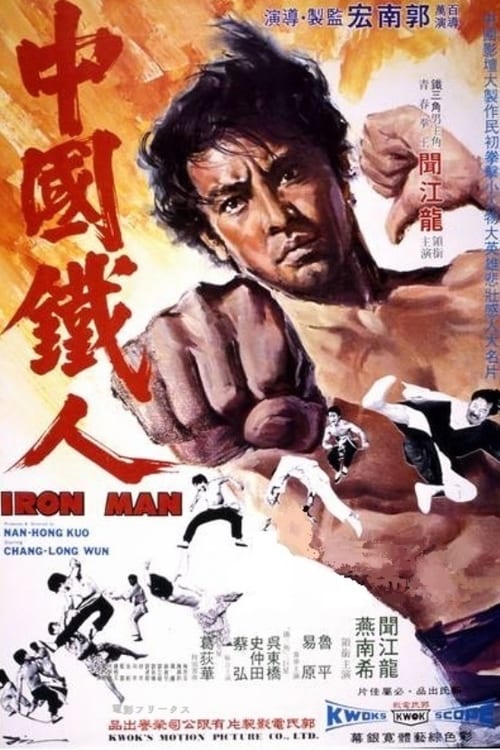
Iron Man (1973) is a culturally specific martial arts film that highlights Chinese ability to act. By focusing on a Chinese cook's struggle against Japanese occupiers and corrupt local institutions, it provides a strong non-Western perspective on resistance. However, the film relies heavily on traditional gender clichés. The female presence is limited to a passive role that serves as a catalyst for male action, rather than having her own active role. Ultimately, while the film offers a nuanced critique of oppressive power structures, it lacks diversity in terms of LGBTQ+ representation and disability inclusion.
Category Breakdown
The film does not include any visible LGBTQ+ characters or non-cisgender identities. The story revolves around traditional social dynamics and heterosexual relationships.
Gender roles adhere to a conventional hierarchy. A female character is portrayed as passive, needing protection, which reinforces traditional protector and protected roles.
The story centers on a Chinese protagonist's ability to drive the story during a period of Japanese occupation. The plot is driven by the protagonist's ethnic identity and resistance efforts.
The film critiques corrupt institutional power, including the police and complicit martial arts schools. It emphasizes personal morality over state-sanctioned order.
There are no characters with physical or neurodivergent disabilities in the film. The cast focuses on able-bodied martial artists and civilians.
Present on Screen
Limited or Absent
Official Synopsis
During the Japanese occupation, Little Tiger, an honest cook in Shanghai, takes exception of two Chinese that pass from insult to sexual harassment against a beautiful and modest girl servant. During the fight, the pair of molesters receive help from a number of colleagues from the same martial arts school - who are in support of the Japanese - while Little Tiger is helped by young men from his own school. A major fight develops, and the cook accidentally kills one of the thugs. The Police comes to arrest Little Tiger and to close down his school, but they resist and the cook escapes. Little Tiger is now a fugitive, living in disguise. When a duel between the two rival schools is arranged in an open-air site, Little Tiger is watching disguised as an old man, but he can't resist. He takes off his false beard, declares his name, and demands to join in the competition - beating up all competitors.
1978
1966
1976
1978
1972
1975
1972
1994
No reviews yet. Be the first to share your thoughts on this movie!
Use the rating form above to leave a star rating and optional review.