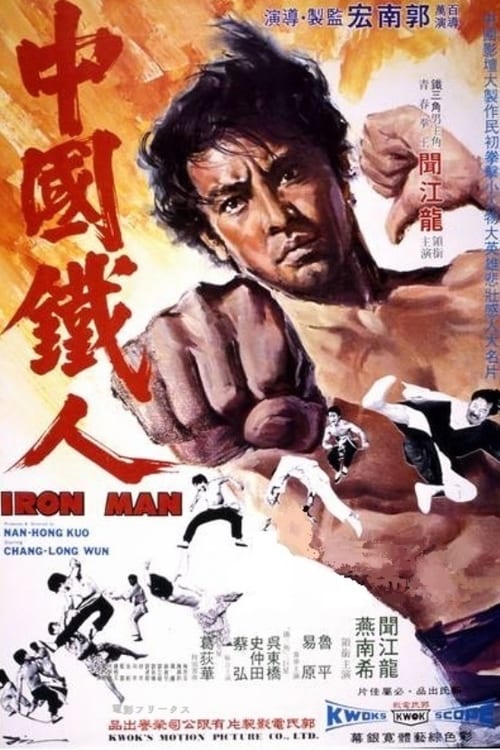
Iron Man
1973
No user ratings available yet
Diversity score: 5.3 out of 10
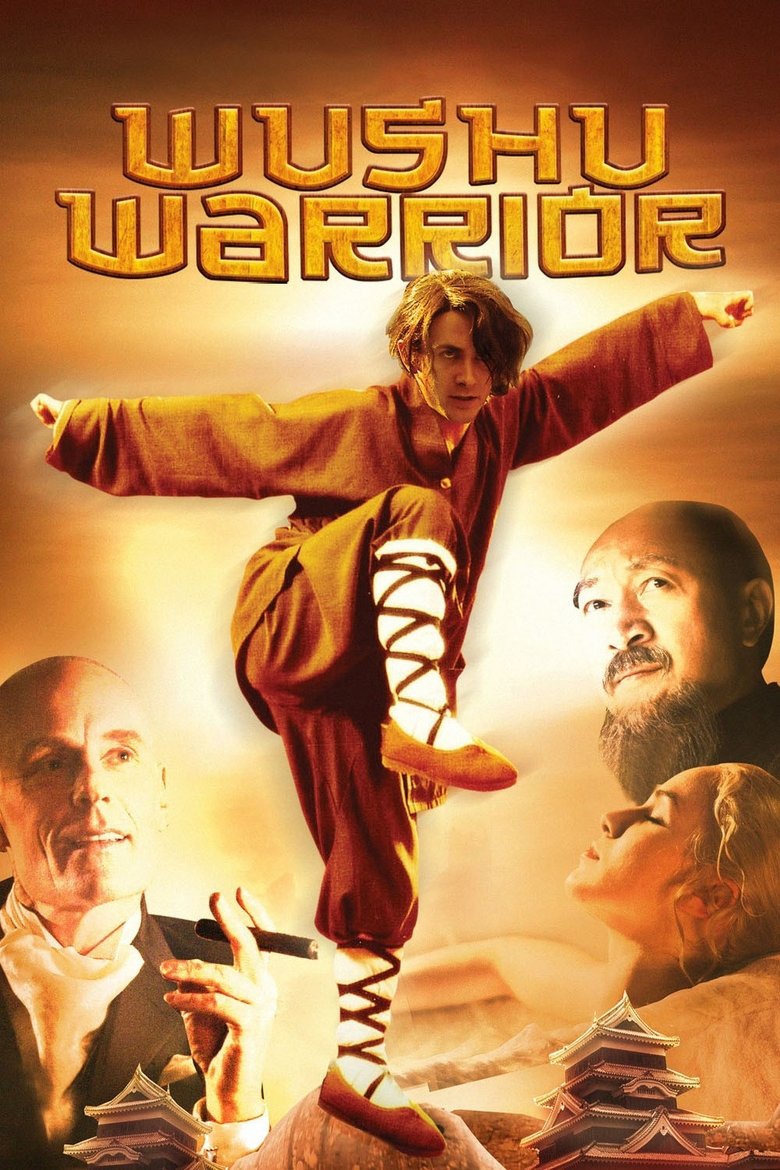
2010
PG-13Director
Alain Desrochers
Runtime
85 minutes
Average Rating
No ratings yetSynopsis
China, 1862: Lord Lindsey rules the opium trade and enslaves the innocent. The only hope for the oppressed nation, is a covert group of trained Wushu Warriors - The Red Lotus Society – who will fight to restore justice to its people.
Overall Score
Limited
Category Breakdown
LGBTQ+ Representation
The film lacks any evidence of non-heteronormative identities or same-sex intimacy. The narrative focuses strictly on a traditional struggle for liberation.
Gender Representation
While the warrior group allows for potential female agency, there is no specific evidence of subverting gender hierarchies. The film follows a standard action-adventure framework.
Racial & Ethnic Diversity
The story centers on Chinese protagonists within a non-Anglo-Saxon setting. It positions the indigenous population against an oppressive external force, highlighting themes of resistance.
Religious & Cultural Diversity
The film critiques Western imperialist expansion by framing the struggle against the opium trade. This positions the Red Lotus Society as a response to systemic colonial oppression.
Disability Representation
There is no mention of characters with visible or invisible disabilities. The narrative does not include neurodivergent representation.
Strengths
Areas for Improvement
AI Analysis
Wushu Warrior is a period action drama that finds its primary value in its anti-imperialist subtext. By centering the narrative on Chinese resistance against the opium trade, the film provides a meaningful critique of colonial-era economic exploitation and foreign power. However, the film's diversity is narrow. While it succeeds in racial and cultural positioning, it fails to address other intersectional identities. There is a notable absence of LGBTQ+ representation and disability inclusion. Ultimately, the film functions as a focused struggle for justice rather than a broad exploration of diverse identities. Its impact is rooted in its cultural resistance rather than intersectional breadth.
1973
1976
1967
2008
2012

2012

1978
2012
2010
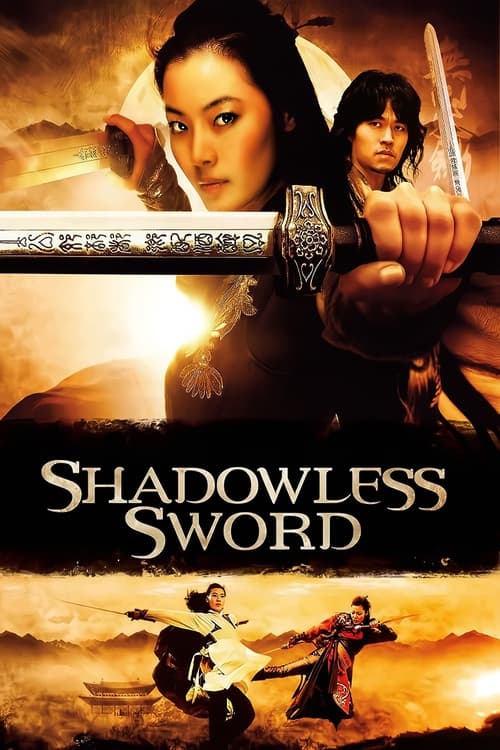
2005
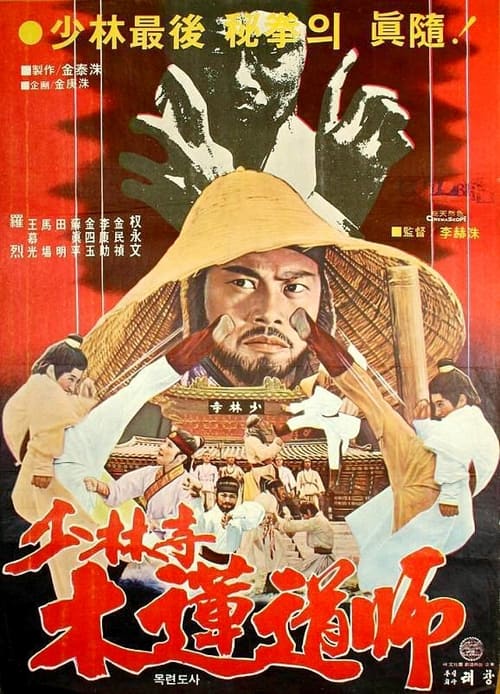
1978
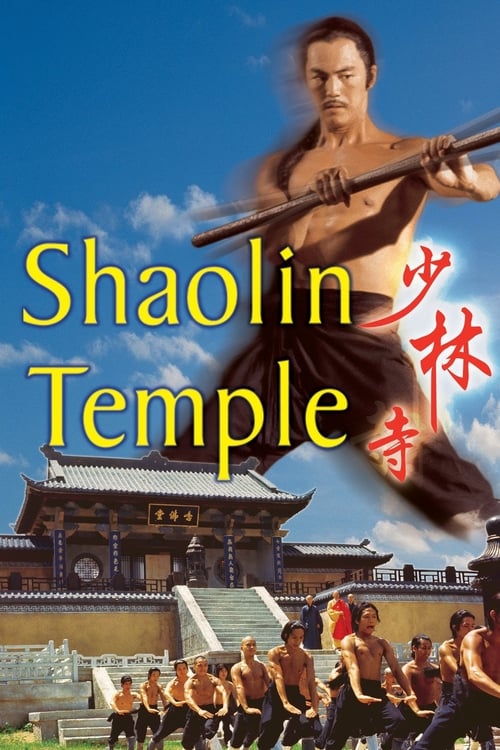
1976
No reviews yet. Be the first to share your thoughts on this movie!
Use the rating form above to leave a star rating and optional review.