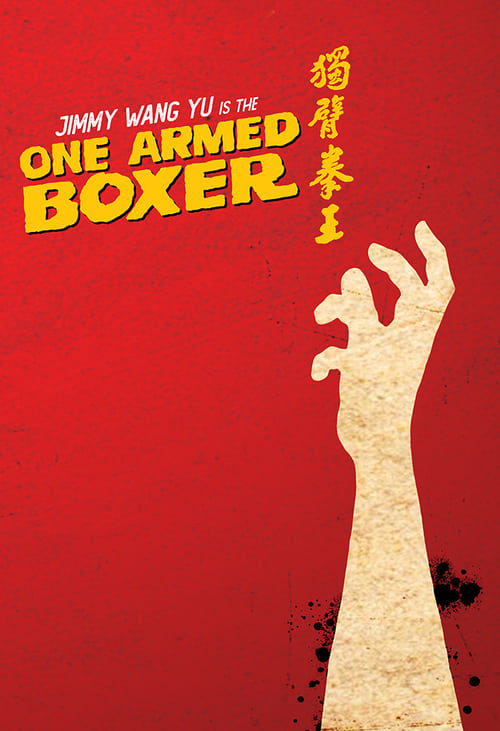
One-Armed Boxer
1972
No user ratings available yet
Representation score: 4.9 out of 10

Representation Score
Fair
1978
RDirector
Lau Kar-leung
Runtime
116 minutes
Average Rating
No ratings yetNew Showbiz Analysis
The film stands out as a celebration of Chinese cultural identity and anti-authoritarianism. By highlighting indigenous martial arts and resisting a corrupt state, it offers a strong assertion of cultural heritage. However, the narrative is constrained by a strict patriarchal framework. The lack of meaningful female roles and the absence of LGBTQ+ representation reflect a traditional, straight-centered setting. Overall, the film explores discipline and resistance, focusing on cultural heritage and physical mastery over social diversity.
Category Breakdown
The film centers on a monastic brotherhood and traditional masculine figures. It does not depict non-straight or non-cisgender identities or same-sex relationships.
The story follows a strictly patriarchal structure where men lead the main conflicts, while women play minor or domestic roles.
The film features a culturally homogeneous Chinese cast emphasizing Chinese identity. It highlights indigenous martial traditions and non-Western cultural practices.
The story portrays the Manchu government as a corrupt institution. The Shaolin Temple becomes a symbol of resistance against systemic injustice and state oppression.
Training sequences symbolize overcoming physical limitations. However, the focus remains on achieving physical perfection rather than depicting chronic illnesses.
Present on Screen
Limited or Absent
Official Synopsis
During the Qing Dynasty, a fishmonger is killed by the reigning Manchu government for supporting the anti-government movement; his son manages to escape to Shaolin Temple, where he plans to learn its secretive brand of martial arts to seek revenge.
1972
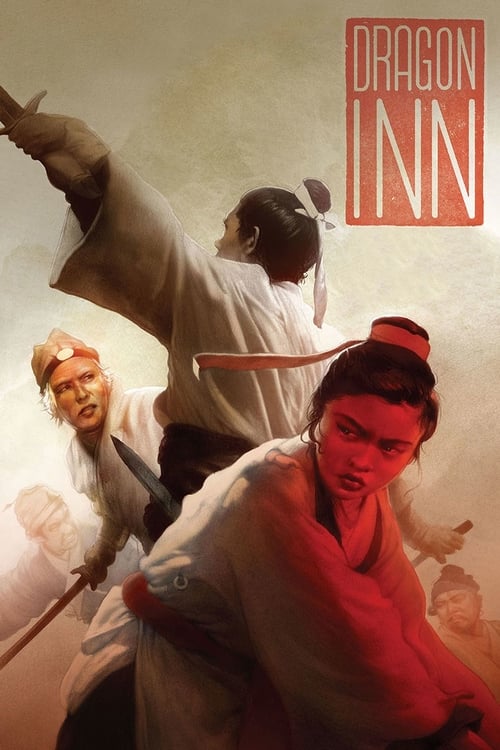
1967
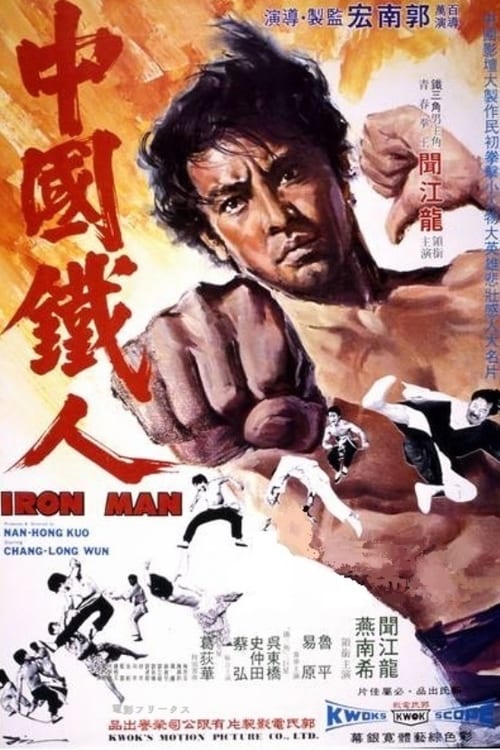
1973
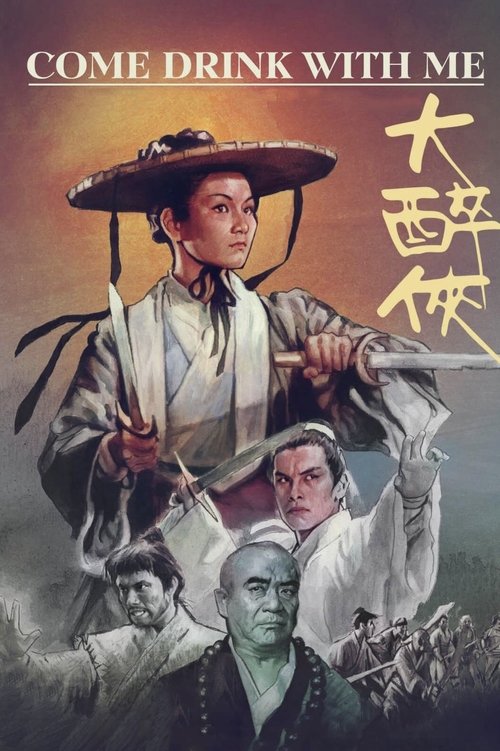
1966
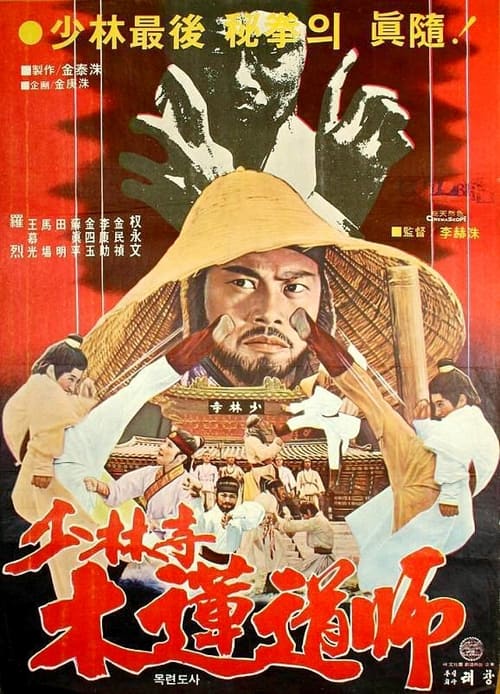
1978
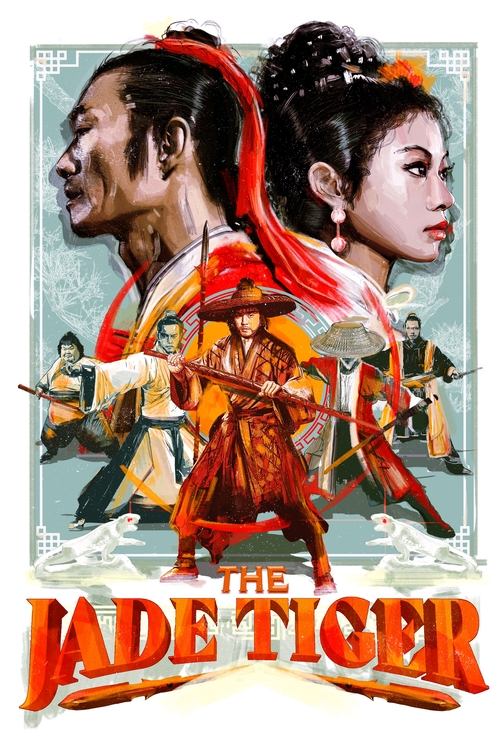
1977
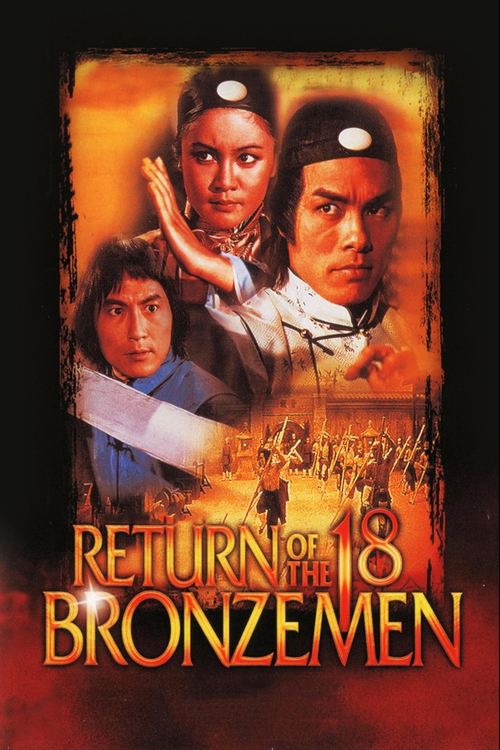
1976
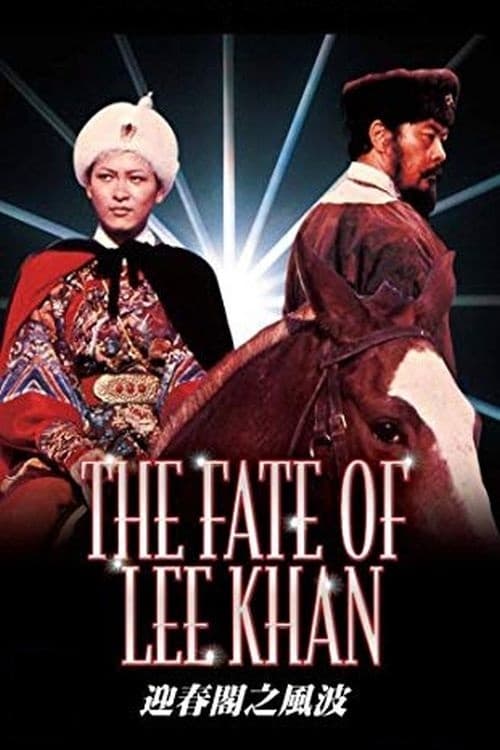
1973
No reviews yet. Be the first to share your thoughts on this movie!
Use the rating form above to leave a star rating and optional review.