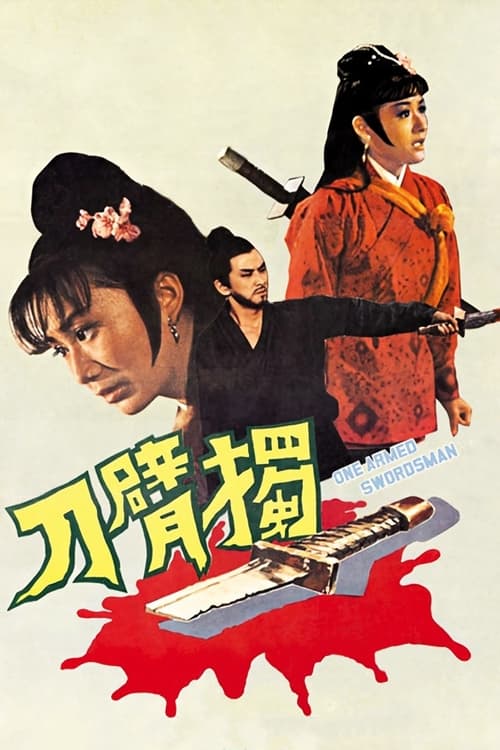
The One-Armed Swordsman
1967
No user ratings available yet
Representation score: 3.7 out of 10
Representation Score
Fair
1972
RDirector
Jimmy Wang Yu
Runtime
93 minutes
Average Rating
No ratings yetNew Showbiz Analysis
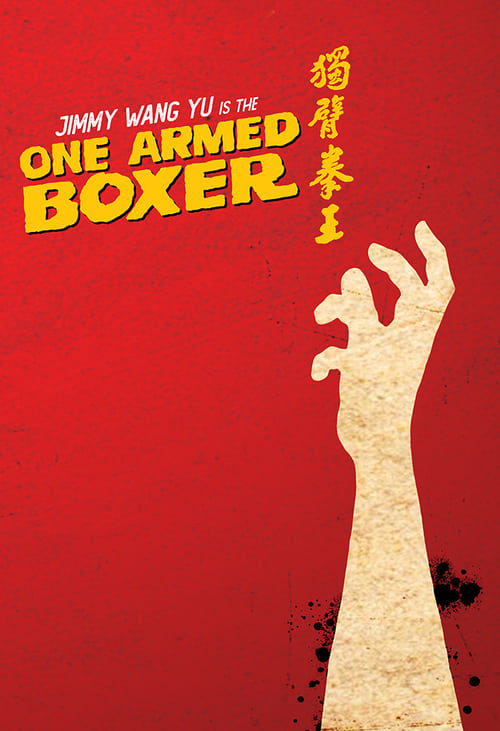
One-Armed Boxer stands out for its authentic portrayal of Chinese culture and the protagonist's resilience in the face of physical disability. However, it is constrained by the social norms of its time, reinforcing traditional gender roles and lacking LGBTQ+ representation. Despite these limitations, the film offers a distinctive non-Western perspective that challenges Western cinematic norms.
Category Breakdown
The film adheres to a traditional focus on straight relationships and male bonds, with no depiction of LGBTQ+ identities or same-sex intimacy.
The narrative emphasizes male physical strength and combat skills, with female characters playing minor roles without significant influence on the main storyline.
The film features a predominantly Chinese cast and setting, providing authentic representation of Eastern culture and identity.
The story revolves around traditional values of personal honor and discipline, avoiding broader critiques of societal structures.
The protagonist's journey after losing an arm highlights his ability to act and determination in mastering a unique combat style.
Present on Screen
Limited or Absent
Official Synopsis
A martial-arts student learns the iron fist and death grip techniques to avenge his teacher's death.
1967

1978
1979
1970
1971

1982
1976

1980
No reviews yet. Be the first to share your thoughts on this movie!
Use the rating form above to leave a star rating and optional review.