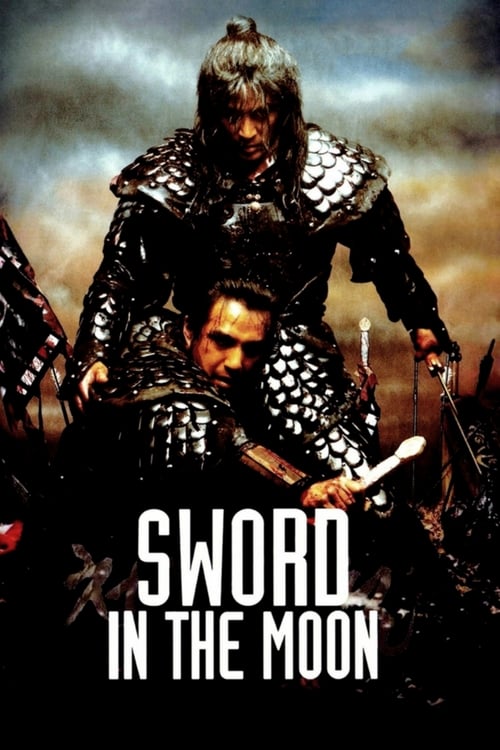
Sword In The Moon
2003
No user ratings available yet
Representation score: 3.4 out of 10
Representation Score
Limited
2005
RDirector
Kim Young-jun
Runtime
117 minutes
Average Rating
No ratings yetNew Showbiz Analysis
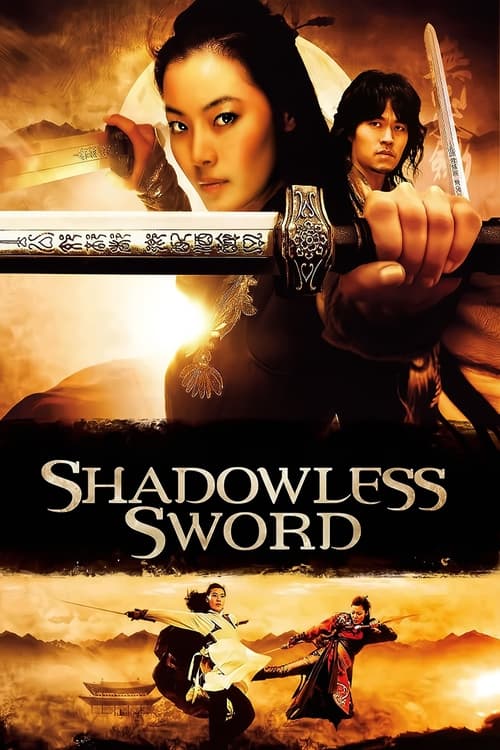
Shadowless Sword is a traditional period action piece that stands out by offering a strong female lead who challenges gender roles. Soha acts as a tactical leader and guide, providing a level of women's ability to drive the story rarely seen in standard genre clichés. However, the film remains tied to conventional historical frameworks. The central plot revolves around restoring a dynasty and maintaining patriarchal succession, which limits its broader social diversity. The focus on a specific Korean historical era also keeps the ethnic scope narrow. Ultimately, the film is a genre-driven work that offers meaningful character's ability to drive the story for women while adhering to traditional themes of institutional stability and bloodline legitimacy.
Category Breakdown
The story focuses on a traditional heterosexual relationship between Soha and Prince Jung-Hyun. There is no indication of same-sex intimacy or non-cisgender identities.
Soha challenges traditional gender roles by acting as a deadly warrior and driving the plot. However, the mission to restore a male heir upholds some patriarchal structures.
Set in 927 AD Korea, the film centers on a specific historical ethnic context. It lacks diverse ethnic representation, staying true to its period setting.
Themes emphasize loyalty to a bloodline and the restoration of a fallen dynasty. The film operates within established social hierarchies without challenging them.
The narrative contains no mention of characters dealing with physical, sensory, or neurodivergent conditions.
Present on Screen
Limited or Absent
Official Synopsis
927 AD. The Killer-Blade Army has toppled the ruling dynasty, plunging the kingdom into chaos. The only remaining heir, Prince Jung-Hyun is living in exile, unaware of his family's dark fate. Still loyal to the dynasty, the beautiful and deadly warrior Soha sets out to find Jung-Hyun and guide him to become the great leader he was born to be. But with the Army's greatest assassins and the criminal underworld hunting them, Soha and Jung-Hyun are swept into an explosive, non-stop battle of swords, wits and bloodshed as they fight to reclaim the fallen throne.
2003
1967
1978
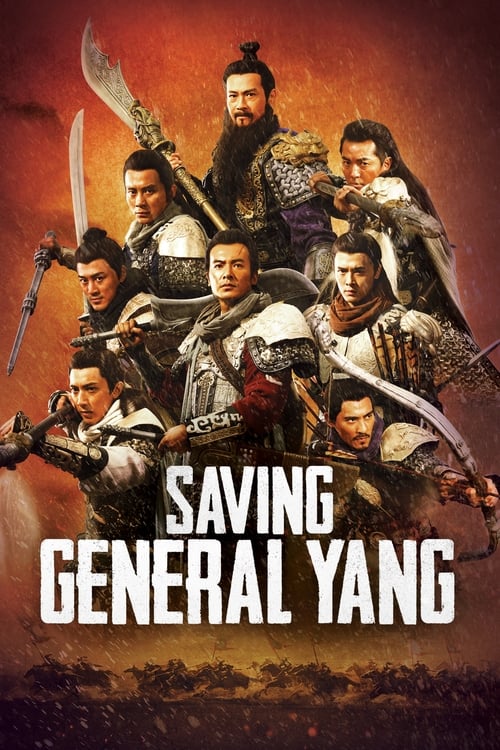
2013
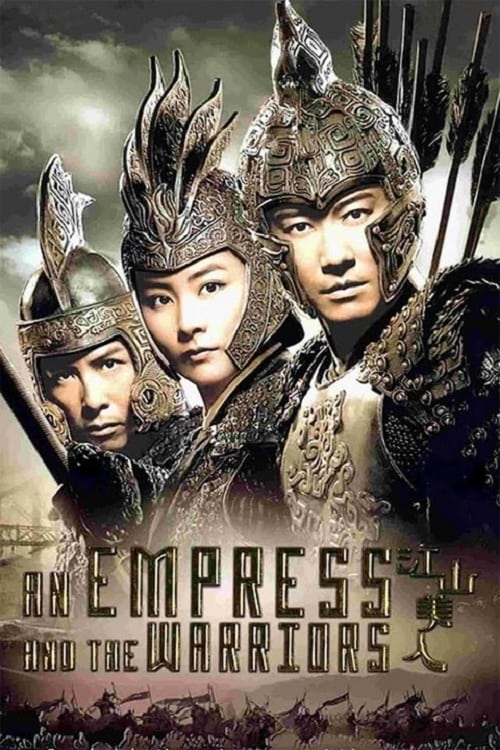
2008
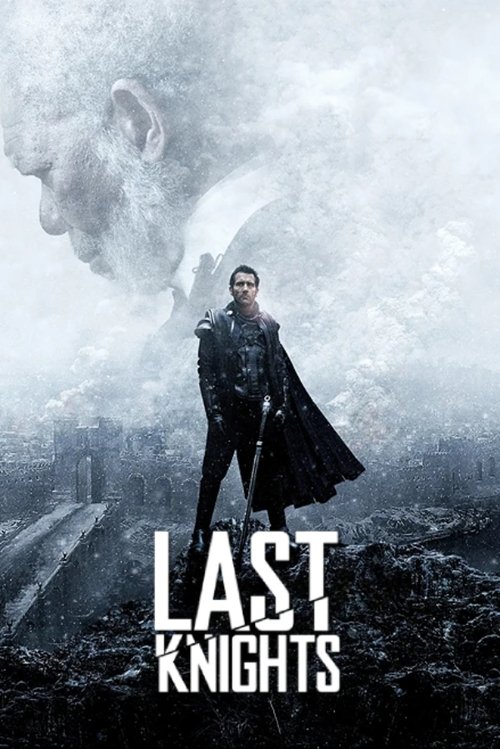
2015
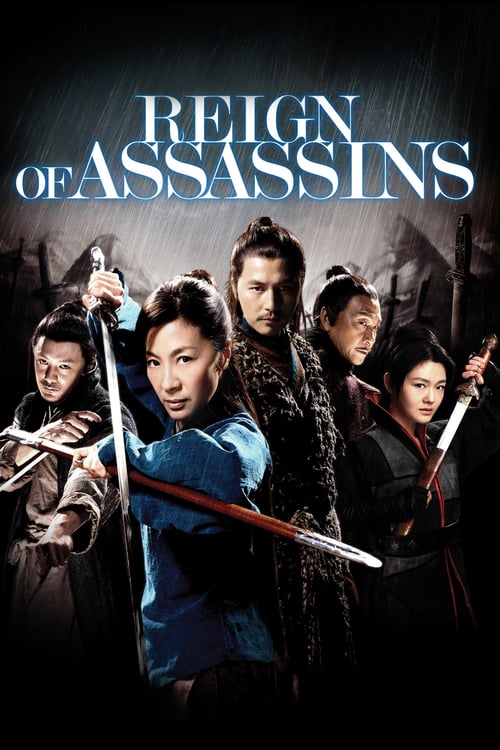
2010
1982
No reviews yet. Be the first to share your thoughts on this movie!
Use the rating form above to leave a star rating and optional review.