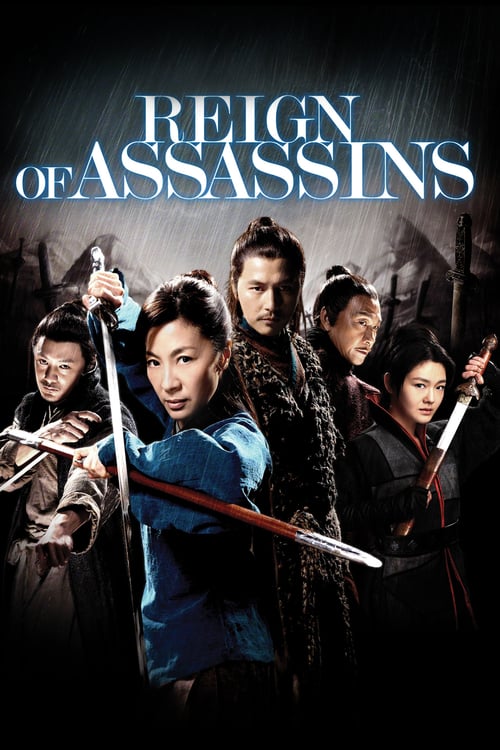
Reign of Assassins
2010
No user ratings available yet
Representation score: 6.2 out of 10

Representation Score
Limited
2012
Not RatedDirector
Patrick Leung Pak-Kin
Runtime
98 minutes
Average Rating
No ratings yetNew Showbiz Analysis
Wu Dang presents a transnational martial arts spectacle that successfully incorporates ethnic diversity by blending Chinese, American, and Korean identities. This multi-national cast drives the central conflict and prevents the film from feeling culturally uniform. However, the film adheres to traditional genre conventions. While women are depicted as capable fighters, they often fit into conventional roles as either combatants or romantic interests. The narrative lacks a thorough deconstruction of social hierarchies or gender roles. Ultimately, the film offers meaningful international variety but follows standard genre expectations regarding cultural preservation and heterosexual romance, missing opportunities for deeper progressive subversion.
Category Breakdown
The film focuses on heterosexual relationships, such as the bond between a Korean descendant and an American conspirator. There is no representation of LGBTQ+ identities or critiques of heterosexuality.
Female characters are shown as skilled combatants and romantic interests. However, these roles operate within traditional genre frameworks and do not actively challenge gender hierarchies.
The film features a blend of Chinese, American, and Korean identities in its transnational setting. This mix of cultures disrupts a purely homogeneous approach.
The story revolves around traditional Taoist martial arts and the defense of Wudang Mountain. It adheres to a traditional framework of protecting sacred heritage from external threats.
The film does not include any characters with visible or invisible disabilities. Therefore, there is no representation of disability in the narrative.
Present on Screen
Limited or Absent
Official Synopsis
In early Republican China, rumors were going around about the treasure in Wudang Mountain. An American conspirator took his well-trained kung fu daughter to Wudang by sponsoring a Taoist martial arts competition, to steal the treasure. Out of expectation, a disciple represented Wudang to compete with other martial arts masters for the championship. During the competition, resentment incurred against different parties, the relationship became complicated, a Korean female Tai Chi descendant fell in love with the American conspirator and the secret of the treasure had been revealed. The treasure is the key of the magnetic field of Wudang, if it's stolen, Wudang would be devastated. To protect Wudang, a group of young heroes rallied around to defeat grant masters. It's the time the long-lost Wudang martial arts returned
2010
1967
2012
2003
2008
2008
1978
1979
No reviews yet. Be the first to share your thoughts on this movie!
Use the rating form above to leave a star rating and optional review.