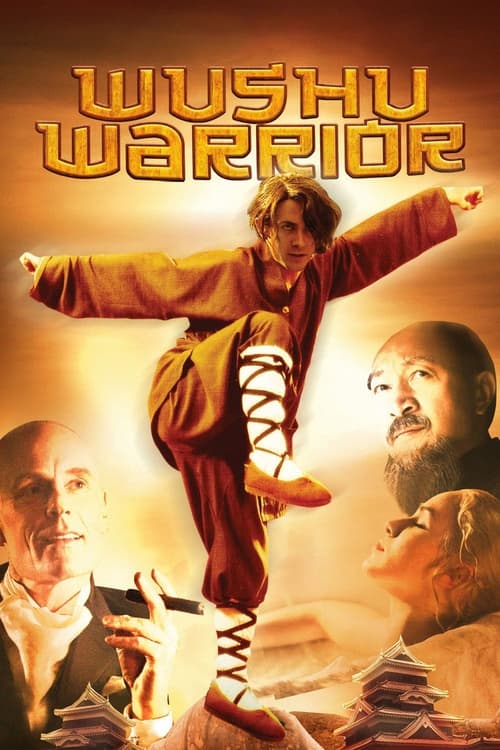
Wushu Warrior
2008
No user ratings available yet
Representation score: 3.5 out of 10
Representation Score
Fair
2008
RDirector
C.L. Hor
Runtime
92 minutes
Average Rating
No ratings yetNew Showbiz Analysis
Four Dragons succeeds as a culturally significant piece of Southeast Asian cinema by centering the immigrant experience. By utilizing Wushu as a narrative engine, the film grants high ability to act to its Chinese protagonists, effectively disrupting Western-centric action clichés. However, the film remains tethered to conventional genre expectations. The heavy reliance on male-dominated archetypes and a traditional moral binary limits its impact regarding gender and complex social subversion. Ultimately, the film is a milestone for Malaysian martial arts, offering meaningful ethnic representation even while adhering to standard action-adventure social structures.
Category Breakdown
The film lacks explicit LGBTQ+ characters or narratives. The story follows a traditional action framework focused on martial arts and justice, which prioritize conventional social structures.
The plot focuses on a male-dominated ensemble of martial artists. While women's ability to drive the story is not explicitly ruled out, the primary drivers are male protagonists embodying traditional masculine archetypes.
The narrative centers on 19th-century Chinese immigrants fighting a powerful lord. This focus on a underrepresented diaspora empowers ethnic identity through the use of Wushu as a central cultural signifier.
The film explores themes of justice and systemic oppression through the immigrant experience. However, the 'good vs. evil' framing suggests a traditional moral binary rather than radical moral relativism.
There is no visible evidence regarding the inclusion of characters with physical or neurodivergent disabilities in this production.
Present on Screen
Limited or Absent
Official Synopsis
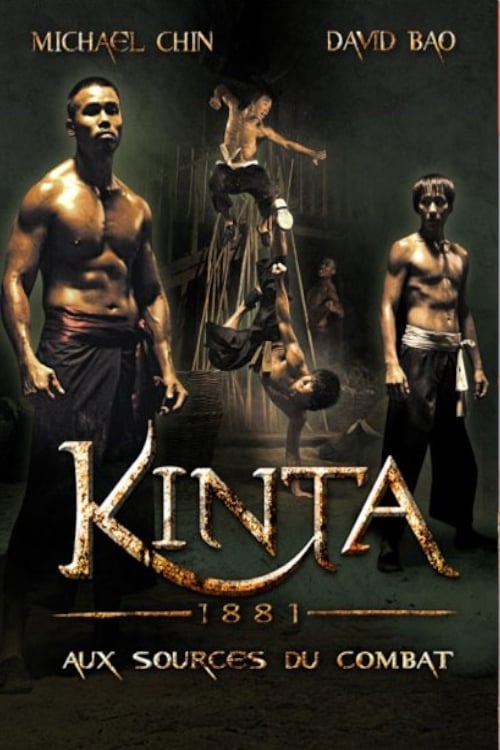
When 19th-century Chinese immigrants find themselves fighting against a powerful lord and a vengeful gang with secretive aims, they summon the ancient power of Wushu to wage an epic battle of good vs. evil. Under the leadership of Tin Sok, the four "dragons" -- Dragon (Robin Ho), Tiger (David Bao), Ace (Kuan Fei Jun) and Blaze (Michael Chinn) -- set out to restore the balance of justice. C.L. Hor directs Malaysia's first martial arts offering.
2008

1978
1978
1967
2012
2020
2010
2008
No reviews yet. Be the first to share your thoughts on this movie!
Use the rating form above to leave a star rating and optional review.