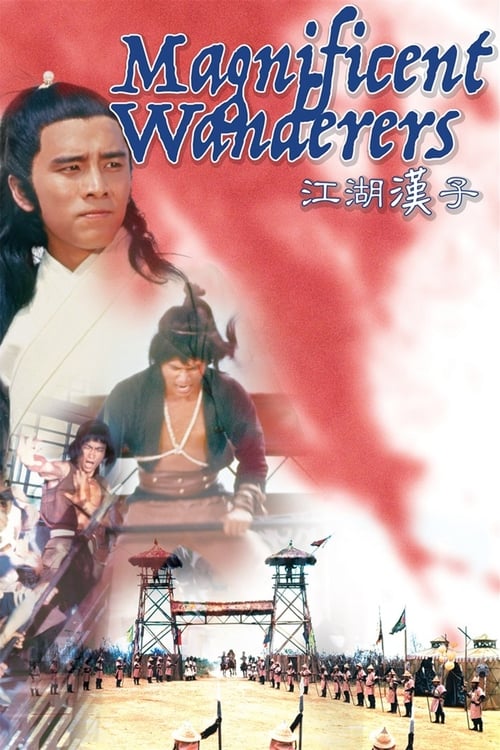
Magnificent Wanderers
1977
No user ratings available yet
Diversity score: 2.6 out of 10

1976
Not RatedDirector
Chang Cheh
Runtime
143 minutes
Average Rating
No ratings yetSynopsis
Three young martial arts brothers, played by Chi Kuan-chun, Alexander Fu Sheng and Leung Kar-yan, go in search of fellow patriots dissatisfied with Imperialist foreigners and wind up joining a rising sect of the Boxers, led by an opportunistic conman. Named as such for their use of martial arts, these boxers are revolutionaries who believe that spirits protect their bodies from foreign guns. They even dupe the Empress Dowager, who gives them her royal blessing to fight the foreigners.
Overall Score
Fair
Category Breakdown
LGBTQ+ Representation
The film focuses on masculine camaraderie and martial arts brotherhood. There are no discernible non-cisnormative identities or same-sex romantic narratives present.
Gender Representation
The narrative adheres to traditional masculine hierarchies. Female characters are relegated to secondary roles while male combatants drive the plot through physical strength.
Racial & Ethnic Diversity
The film depicts a multi-ethnic landscape featuring Chinese, Japanese, and Western characters. This diverse cast mirrors the geopolitical complexities of the era's conflicts.
Religious & Cultural Diversity
The story presents a strong critique of Western interventionism and imperialist structures. It frames the Boxer insurgents as a direct response to systemic foreign encroachment.
Disability Representation
There is no significant evidence of characters with visible or invisible disabilities serving as central narrative drivers or part of the character development.
Strengths
Areas for Improvement
AI Analysis
Chang Cheh’s film is a potent piece of post-colonial cinema that uses historical conflict to challenge Western hegemony. It succeeds by framing the struggle of the oppressed against encroaching imperialist powers as its central driving force. While the film excels in its racial complexity and its sophisticated deconstruction of global power dynamics, it remains limited by traditional social structures. The narrative is heavily centered on masculine bonds and lacks representation for LGBTQ+ individuals or people with disabilities. Ultimately, the work functions as a critique of capitalist and imperialist expansion. It disrupts Western-centric historical narratives by elevating the agency of local revolutionary movements through a multi-ethnic lens.
1977
1969
1976
1973
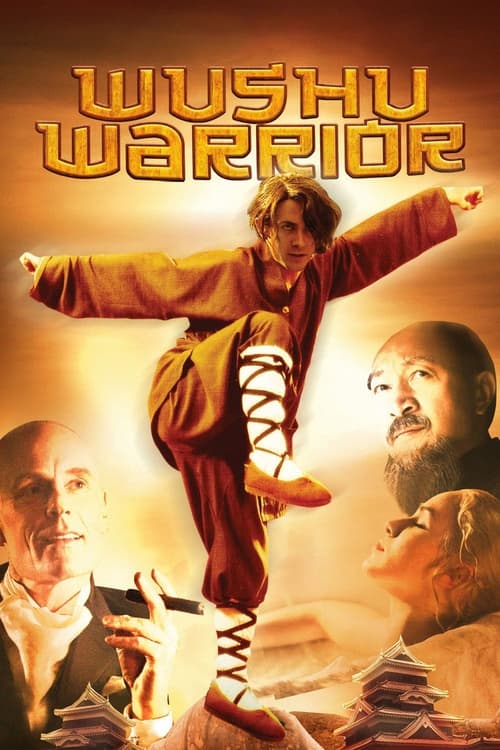
2010

1978
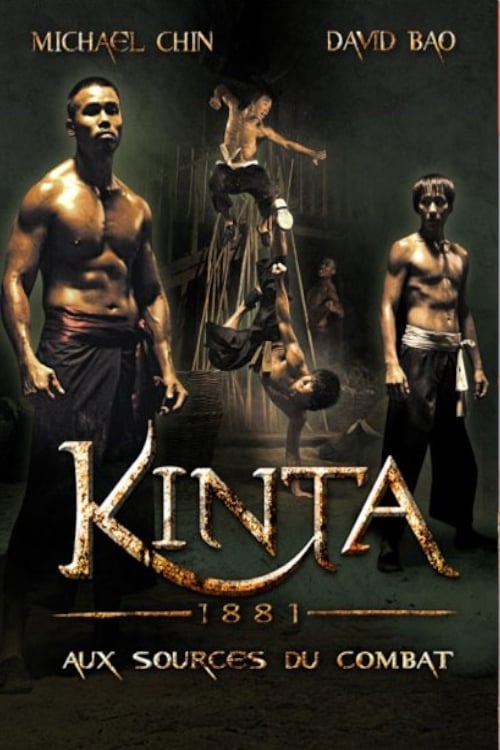
2008
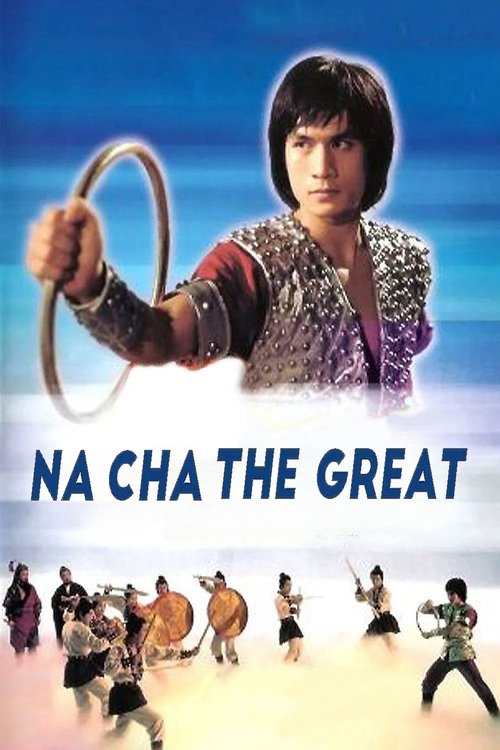
1974
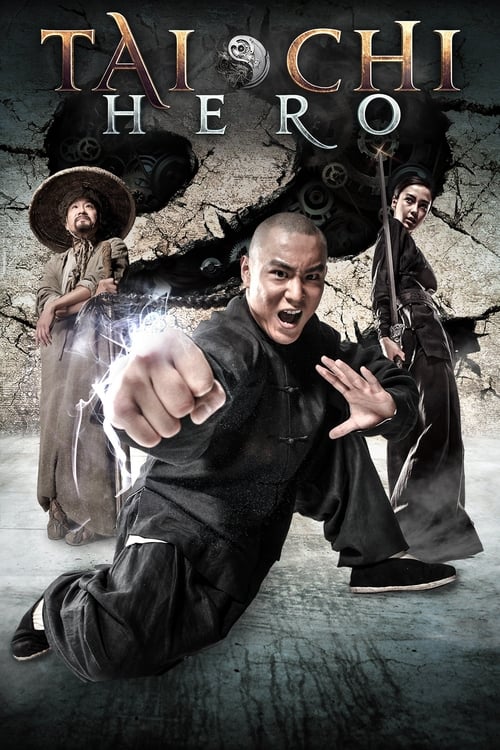
2012

2012
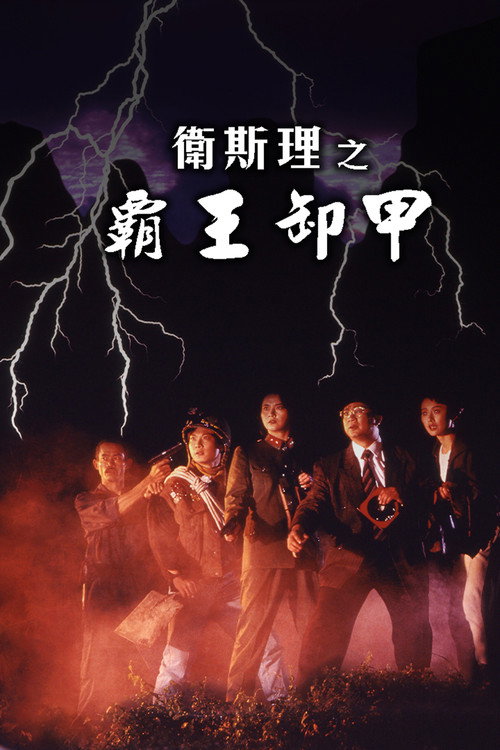
1991
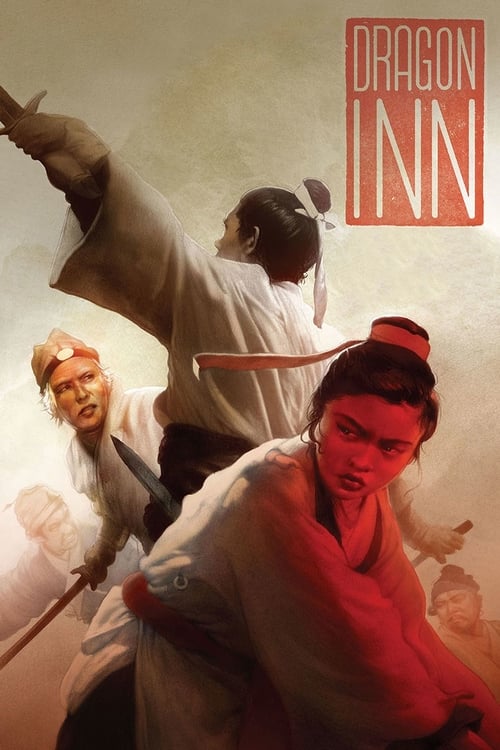
1967
No reviews yet. Be the first to share your thoughts on this movie!
Use the rating form above to leave a star rating and optional review.