
Os Heróis Trapalhões: Uma Aventura na Selva
1988
No user ratings available yet
Representation score: 4.9 out of 10
Representation Score
Limited
1991
Director
José Alvarenga Jr.
Runtime
100 minutes
Average Rating
No ratings yetNew Showbiz Analysis
The film serves as mainstream entertainment reflecting the social and cinematic norms of its era. It primarily functions through traditional adventure-comedy structures and slapstick humor. While the casting of Mussum adds racial diversity, the film lacks depth in other areas. The narrative structure remains centered on conventional gender hierarchies and traditional storytelling formulas. Ultimately, the work prioritizes escapism and localized cultural archetypes over meaningful engagement with social or systemic critiques.
Category Breakdown
The film follows traditional social structures typical of early 90s family comedies. It does not include any non-binary gender identities or stories that question the assumption that everyone is straight.
The story is driven by the male members of the troupe. While Juliana has professional ability to act as an engineer, the comedic and physical action remains focused on the male characters.
The film showcases significant racial diversity by featuring Mussum, a Black performer, in a prominent role. However, it relies on established comedic personas rather than challenging racial stereotypes.
The setting emphasizes escapism over social critique. While the characters use 'malandro' archetypes to navigate authority, the film does not actively challenge traditional values.
The film does not portray any characters with visible or invisible disabilities having ability to act. The focus remains on the physical slapstick humor of the troupe.
Present on Screen
Limited or Absent
Official Synopsis
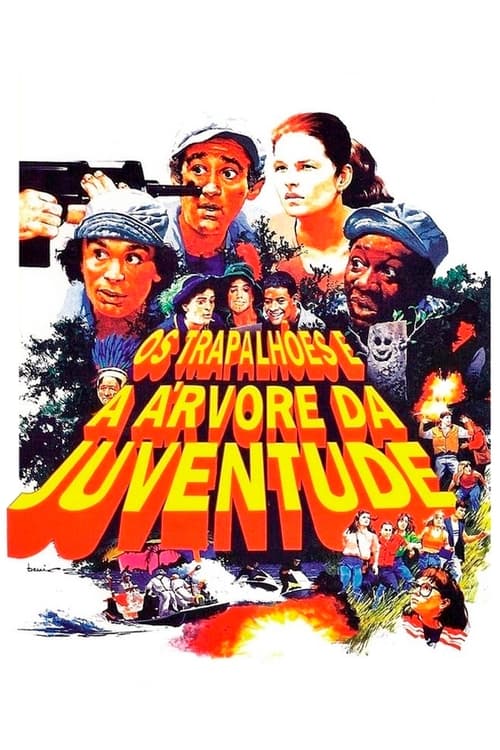
Didi, Dedé, Mussum (Mussum) and Zacarias are forest rangers that they work in the Amazon rain forest where they fight the action of smugglers with the aid of Juliana, a beautiful engineer. There are many funny scenes where they find the mythical source of the fountain of youth which they drink, becoming again children.
1988
1989

1983

1984
1980
1983
1990
1982
No reviews yet. Be the first to share your thoughts on this movie!
Use the rating form above to leave a star rating and optional review.