
Os Heróis Trapalhões: Uma Aventura na Selva
1988
No user ratings available yet
Representation score: 4.9 out of 10
Representation Score
Limited
1989
Director
Flávio Migliaccio
Runtime
91 minutes
Average Rating
No ratings yetNew Showbiz Analysis
The film operates as a traditional slapstick adventure, prioritizing comedic archetypes over social subversion. Its primary strength lies in its ensemble casting, which provides meaningful racial representation through Mussum's central role. However, the narrative structure remains firmly rooted in conventional hierarchies. The plot relies on patriarchal dynamics and straight-centered romance, offering little depth to gender or LGBTQ+ representation. Ultimately, the work represents a transitional period in Brazilian cinema, utilizing diverse casting without actively deconstructing traditional social institutions.
Category Breakdown
The film follows a traditional romantic relationship between a daughter and her boyfriend. There are no visible LGBTQ+ identities or narratives that challenge the assumption that everyone is straight or cisgender.
A father forbids his daughter's musical ambitions, driving the plot through patriarchal conflict. While she runs away, showing ability to act, the central action is dictated by male authority.
The inclusion of Mussum in the central quartet provides significant racial diversity. His actively leading role disrupts the homogeneity typical of mainstream commercial cinema from this era.
The story focuses on individualistic goals and escapist fantasy rather than systemic critiques. It relies on standard clichés of parental authority and youthful rebellion.
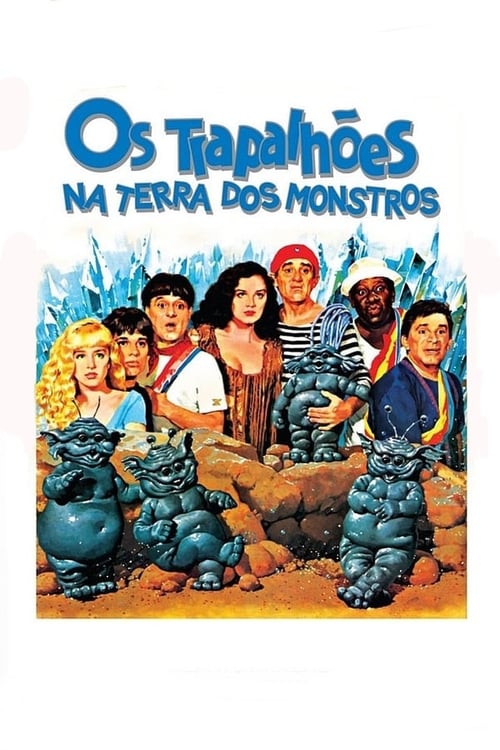
The film features strange creatures like Grunks and Barks, but there is no evidence of characters with disabilities being portrayed with ability to act.
Present on Screen
Limited or Absent
Official Synopsis
In a television program Angelica (Angelica), the daughter of a businessman who aspires to be a singer, eventually earning his "crazy dream", which is recording a video clip at the top of Sugar Loaf in Rio de Janeiro, with the Domino Group . The father forbids it to go, so she runs away with her boyfriend to the Sugar Loaf. When her father learns commands Didi (Renato Aragão), Dede (Dede Santana), Mussum (Mussum) and Zechariah (Zechariah) to think in three days or call the police. Trying to find her, the quartet falls into a hole in the Sugar Loaf which is populated by strange creatures, some good, the Grunks, and some bad, the Barks.
1988
1991
1982

1984

1983
1978

1985

1998
No reviews yet. Be the first to share your thoughts on this movie!
Use the rating form above to leave a star rating and optional review.