
Aladim e a Lâmpada Maravilhosa
1973
No user ratings available yet
Representation score: 3.3 out of 10
Representation Score
Fair
1979
Director
Adriano Stuart
Runtime
90 minutes
Average Rating
No ratings yetNew Showbiz Analysis
The film is a standard adventure-comedy rooted in the slapstick traditions of the Os Trapalhões troupe. It relies heavily on established genre clichés, such as the hero's journey and romantic catalysts, limiting its multi-layered depth. While the ensemble cast offers a departure from a single-protagonist model, the narrative remains bound by the conventions of 1970s family cinema. The setting uses Middle Eastern archetypes without necessarily challenging them. Ultimately, the film prioritizes farcical entertainment and classic good-versus-evil dynamics over systemic subversion or diverse representation.
Category Breakdown
The story focuses on a conventional romance between King Amad and Princess Alina. There is no indication of non-straight relationships or gender identities.
Male characters drive the plot through a traditional hero's journey. Princess Alina mainly serves as a romantic catalyst rather than an active participant in the story.
The film features an Orientalist setting with a Vizir and a Genie. An ensemble of four thieves adds some variety to the main group of characters.
The plot emphasizes escapist fantasy and adventure, focusing on themes of monarchy and good versus evil without delving into complex cultural institutions.
None of the characters described have visible or invisible disabilities, neurodivergence, or physical impairments.
Present on Screen
Limited or Absent
Official Synopsis
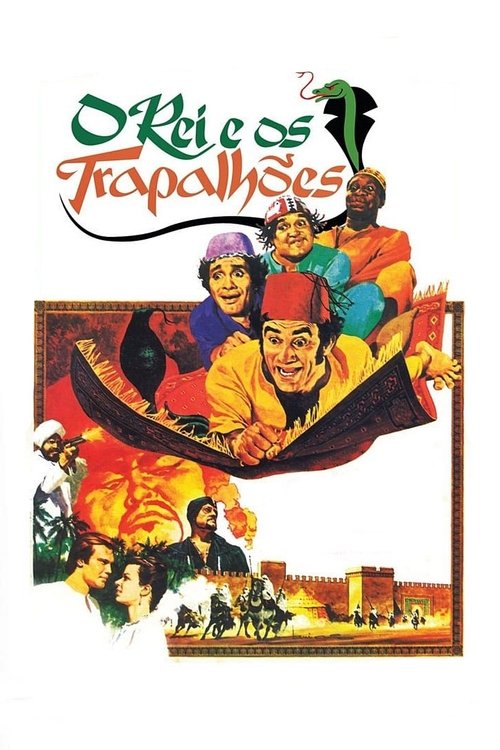
In a city of the East, the throne of the young king Amad is usurped by the evil Vizir Jafar. The king is imprisoned, and in prison he meets the famous thieves of the kingdom: Abdul, Abel, Abol and Abil. With the help of these thieves, the king flees and, during the escape, knows the princess Alina, by which he falls passionately in love. The Vizir possesses magical powers, faced by the heroes with the help of the genie of a lamp found by Abdul. With the help of the genius, the four friends are transported to the twentieth century, where they cause much confusion and end up being arrested.
1973

1996

1976
1994

1980
1996
1974
1999
No reviews yet. Be the first to share your thoughts on this movie!
Use the rating form above to leave a star rating and optional review.