
Os Trapalhões na Guerra dos Planetas
1978
No user ratings available yet
Representation score: 3.2 out of 10
Representation Score
Limited
1989
Director
José Alvarenga Jr.
Runtime
99 minutes
Average Rating
No ratings yetNew Showbiz Analysis
The film is a typical 1980s commercial adventure that prioritizes escapism and slapstick comedy over social complexity. While the casting of the Trapalhões troupe provides a diverse ensemble for its time, the narrative structure remains traditional. Gender roles are strictly defined, with masculine energy driving the plot while the titular princess is a figure to be rescued. The film lacks depth in exploring systemic dynamics or diverse identities, opting for broad archetypes. Ultimately, the production functions as a standard genre piece. It succeeds in providing a diverse cast but fails to challenge social hierarchies or cultural norms inherent in its storytelling.
Category Breakdown
The film follows a traditional framework that assumes everyone is straight and cisgender. There are no visible non-binary or LGBTQ+ identities in the plot.
Xuxa plays a central role but primarily reacts to events. Male characters drive the physical adventure, reinforcing the idea of a male hero rescuing a damsel in distress.
The ensemble includes significant racial diversity through Black performers in the Trapalhões troupe. However, these characters are used as comedic archetypes rather than exploring their ethnic identity.
The story presents a simple struggle between good and evil. It avoids complex social critiques, focusing on a simplified moral framework suitable for family viewing.
There is no meaningful portrayal of disability. Characters are presented through standard comedic archetypes, with no characters with disabilities driving the narrative.
Present on Screen
Limited or Absent
Official Synopsis
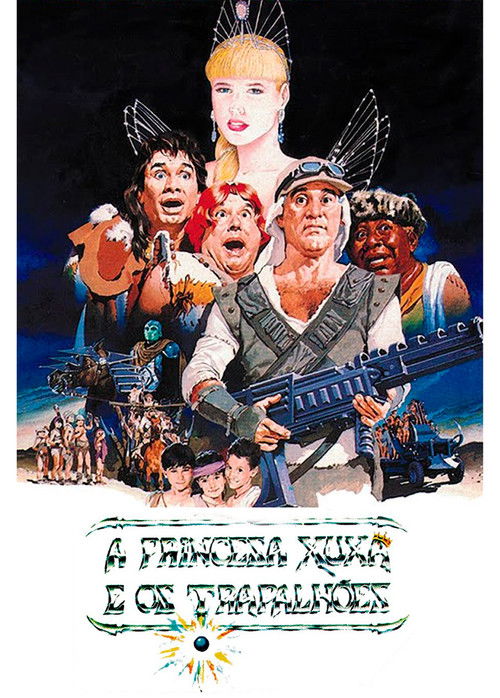
The diabolical Ratam (Paul Reis) takes over the planet Antar, after the death of the emperor, and orders that all children be enslaved. Always kept within the palace, Princess Xeron (Xuxa) believes that the people of her kingdom are happy. Meanwhile, outside, the princes Mussaim (Mussum) Dedeon (Dede Santana) and Zacaling (Zacarias) join the Nameless Knight (Renato Aragão), so that together they can defeat Ratam.
1978

2001

1987

1988
1992
1999

2003

1988
No reviews yet. Be the first to share your thoughts on this movie!
Use the rating form above to leave a star rating and optional review.