
Aladim e a Lâmpada Maravilhosa
1973
No user ratings available yet
Representation score: 3.3 out of 10
Representation Score
Limited
1974
Director
J.B. Tanko
Runtime
78 minutes
Average Rating
No ratings yetNew Showbiz Analysis
This 1974 comedy follows a traditional adventure storyline typical of its era. While it touches on socioeconomic issues like land rights and includes ethnic diversity through a mystical character, it remains rooted in conventional clichés. The film does not challenge established norms or character types, making it a standard example of 1970s Brazilian family entertainment.
Category Breakdown
The story focuses on a traditional romance between Zé Grilo and Catherine, following common heterosexual clichés found in 1970s comedies. There are no characters with non-binary or transgender identities.
Catherine is portrayed as a damsel in distress, serving primarily as motivation for the male protagonist. She faces legal troubles, but resolving the conflict falls to the male characters.
An Indian sorcerer introduces ethnic diversity into the fantasy world, reflecting a moderate level of inclusion for its time period.
The film deals with class struggle and land redistribution through a comedic lens, focusing on adventure clichés rather than a deeper critique of social structures.
The narrative does not include characters with visible or invisible disabilities, nor does it give such characters significant roles or ability to act.
Present on Screen
Limited or Absent
Official Synopsis
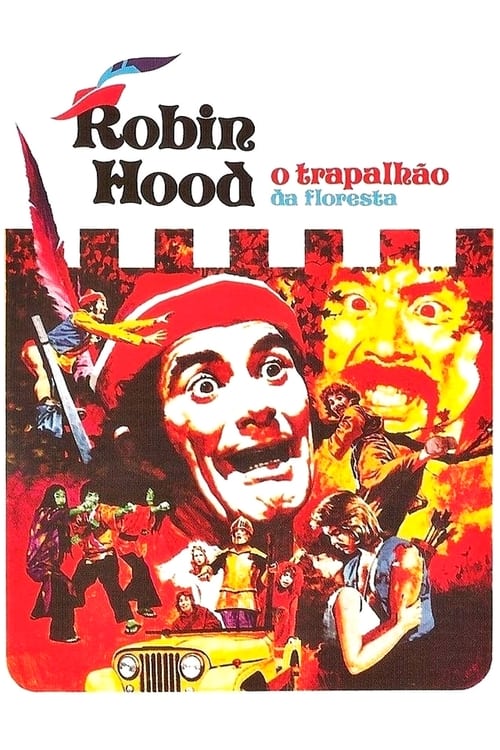
The Robin Hood from the movie The Trapalhões and his pack ruin the plans of a farmer named João Climério. He wanted to take the lands of his deceased brother and leave his niece Catherine with nothing. During a showdown, Robin Hood is injured and needs to be replaced at the helm of the group. And then the funny confusions begin! As a substitute is chosen Zé Grilo, a modest and at the same time confused pawn, who in the end manages to unmask Climero and save the beautiful Catherine for which he has a passion. In this mission it is aided by the companion Willie and also by a magic wand and a protective pen, provided by an Indian sorcerer.
1973

1959
1990
1968
1976

1973
1972
1999
No reviews yet. Be the first to share your thoughts on this movie!
Use the rating form above to leave a star rating and optional review.