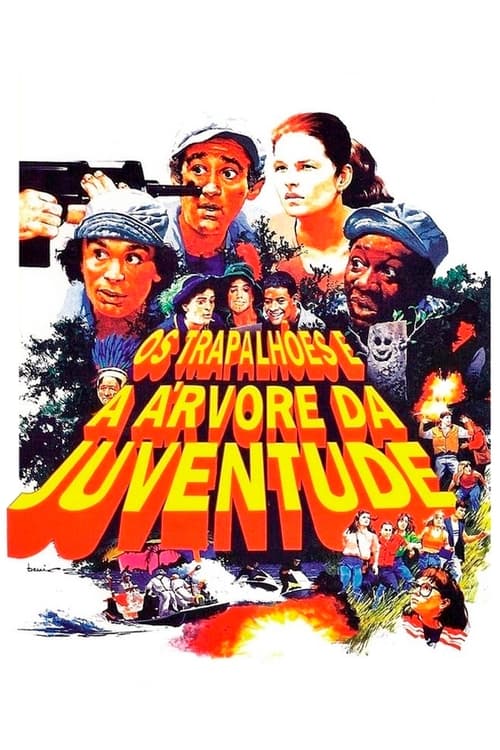
Os Trapalhões e a Árvore da Juventude
1991
No user ratings available yet
Representation score: 2.0 out of 10

Representation Score
Fair
1988
Director
José Alvarenga Jr.
Runtime
90 minutes
Average Rating
No ratings yetNew Showbiz Analysis
The film reflects the conventions of its era, focusing on broad slapstick humor rather than challenging traditional narratives. Its main strength is the racial diversity, which was notable for 1988 Brazilian media. However, the film struggles with gender dynamics and character development. The narrative remains conventional, reinforcing traditional social structures through a mission-focused plot. Ultimately, while the ensemble's chemistry provides a diverse mix, the lack of depth in LGBTQ+ and disability representation holds back the overall score.
Category Breakdown
The film follows traditional assumptions that everyone is straight and cisgender. There are no characters with non-traditional gender identities or same-sex relationships.
The story focuses on a male-dominated group. A central female character mainly drives the actions of the male characters, but she does not have much control over her own story.
The cast includes significant racial diversity for its time. The inclusion of an Afro-Brazilian character named Mussum helps break the uniformity often seen in Western adventure stories.
The film uses typical rescue mission plots and conventional moral structures. It emphasizes situational comedy rather than exploring anti-establishment or secular themes.
There are no characters with disabilities shown taking active roles. Physical accidents are used for slapstick humor rather than showing the complexities of neurodivergence or illness.
Present on Screen
Limited or Absent
Official Synopsis
Didi, Dedé, Mussum and Zacarias are sent in a rescue mission to the daughter of the Army's minister.
1991
1989
1983
1989
1984
1982

1984

1983
No reviews yet. Be the first to share your thoughts on this movie!
Use the rating form above to leave a star rating and optional review.