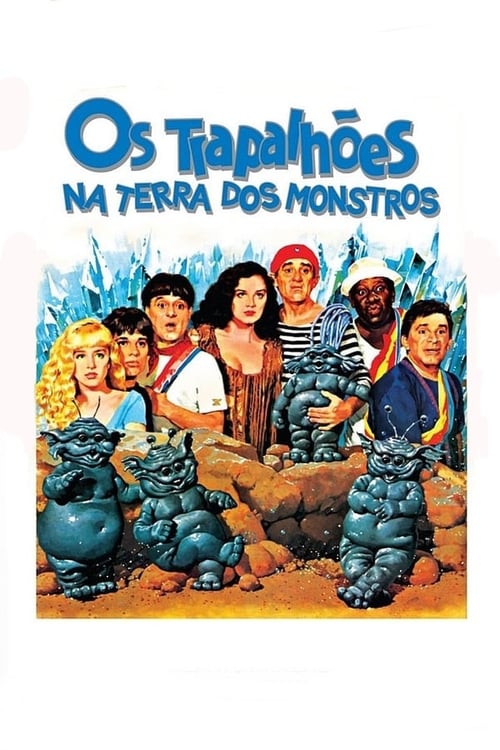
Os Trapalhões na Terra dos Monstros
1989
No user ratings available yet
Representation score: 3.1 out of 10
Representation Score
Limited
1980
Director
Adriano Stuart
Runtime
90 minutes
Average Rating
No ratings yetNew Showbiz Analysis
The film follows a traditional adventure-comedy format centered on a hero's journey and scientific discovery. While it subtly critiques global capitalist interests, the narrative structure remains conventional. The story primarily focuses on male characters and relies on standard comedic clichés, limiting engagement with broader issues related to gender, disability, or LGBTQ+ identities. Despite providing a culturally specific Brazilian context, the film lacks significant representation of diverse identities.
Category Breakdown
The film does not feature any LGBTQ+ characters or non-cisgender identities. The story revolves around traditional friendships and rivalries without addressing assumptions about straight relationships.
The narrative centers around male characters, with no female characters taking significant roles or challenging gender hierarchies.
Set in Brazil, the film highlights Northeastern cultural elements such as the fictional Quince tree. The racial composition is not specified, but the setting emphasizes a Brazilian identity.
The story criticizes global capitalism by having the protagonist defend local resources from international buyers. It prioritizes preserving local traditions over global market demands.
The film does not include characters with visible or invisible disabilities. There is no representation of neurodivergent individuals.
Present on Screen
Limited or Absent
Official Synopsis
Dr. Jegue is a fumbling inventor and scientist, who in his spare time helps his friends Kiko, Sassá, and Quindim in a mechanic's shop. The four are great friends of Carlos Alberto, a stock car driver who suffers from the frames of rival Hugo and his gang. By doing scientific research in his mini-lab, Jegue discovers two powerful formulas: one extracted through the Quince tree, an abundant fictitious plant in the Northeast; and another that turns Dr. Jegue into a big, bearded, moody man with powerful strength. The Marmeleiro formula is tested in a race at the Interlagos Autodrome in the old track and the news of a "new fuel" becomes the main news of the country. Soon, buyers from all over the world come to Brazil to try to buy the formula, offering a lot of money for it, but Jegue, not ambitious, decides not to sell the formula anymore and leaves it in his country.
1989
1961
1978

1975
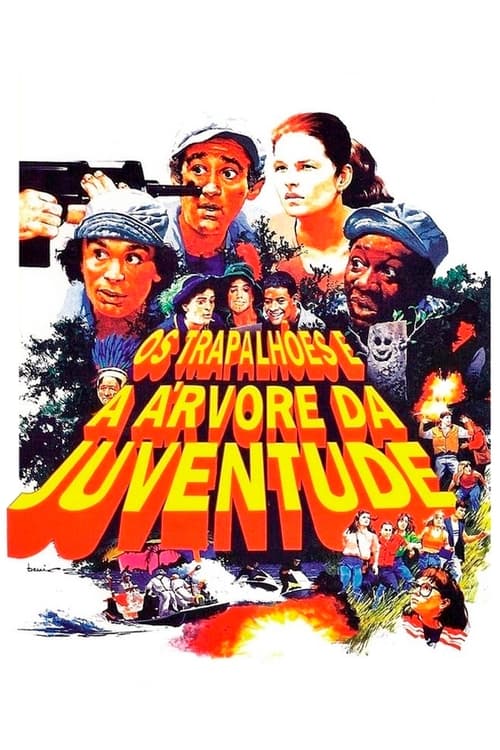
1991
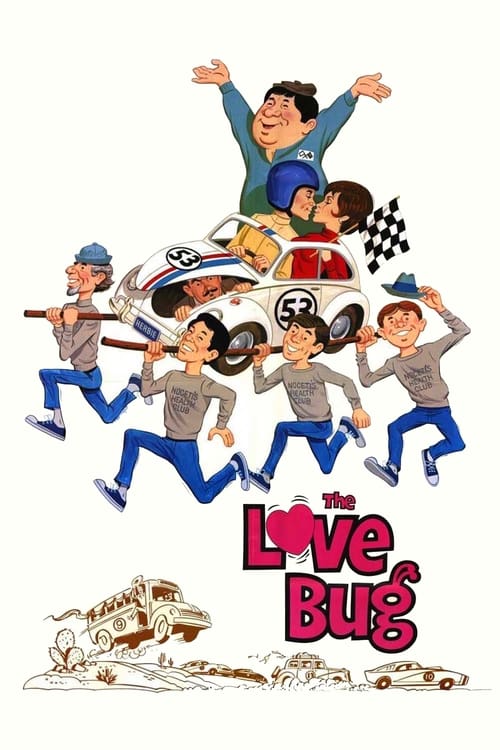
1968
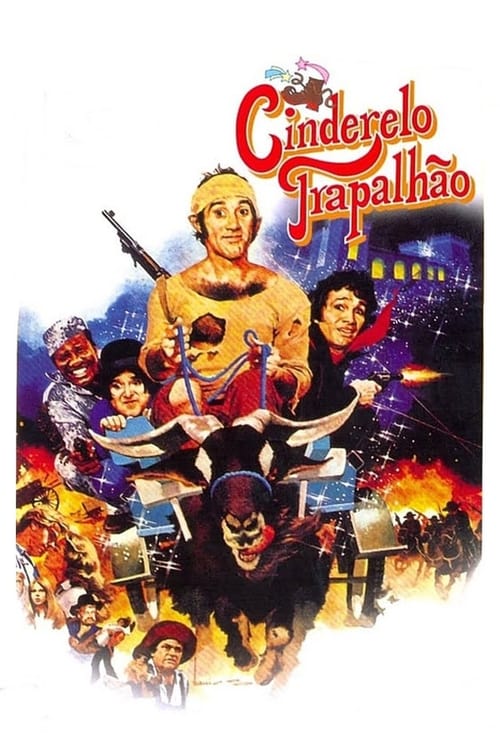
1979
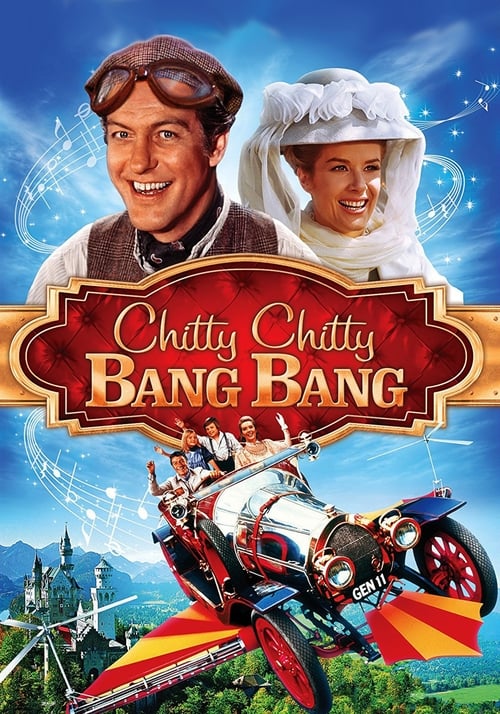
1968
No reviews yet. Be the first to share your thoughts on this movie!
Use the rating form above to leave a star rating and optional review.