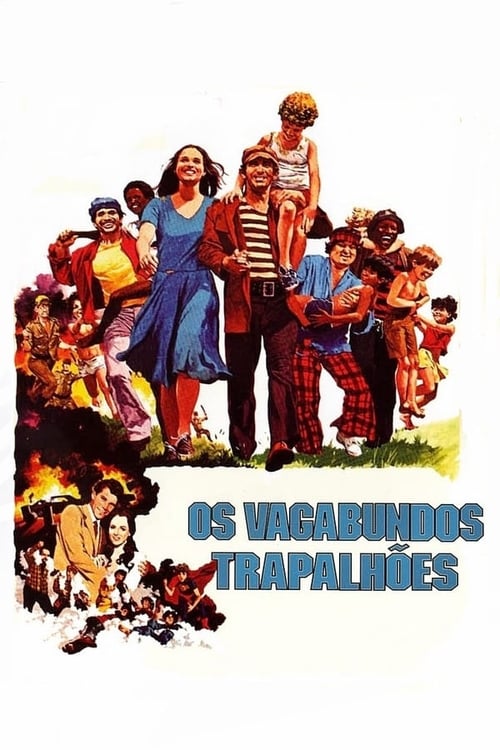
Os Vagabundos Trapalhões
1982
No user ratings available yet
Representation score: 2.5 out of 10

Representation Score
Limited
1984
Director
Dedé Santana
Runtime
107 minutes
Average Rating
No ratings yetNew Showbiz Analysis
The film is a broad, family-oriented adventure that emphasizes slapstick humor and ensemble dynamics. While it offers a moderate level of ethnic diversity through the historically diverse cast of the Trapalhões troupe, the narrative remains grounded in conventional comedic structures. The story presents a 'found family' concept that slightly subverts the traditional nuclear family model but does not actively seek to deconstruct systemic hierarchies or gender roles. Instead, it focuses on restorative moral themes and protecting the innocent. Overall, the work serves as populist entertainment rather than a vehicle for addressing multiple aspects of identity or social critique.
Category Breakdown
The film follows traditional 1980s comedy structures and does not include any LGBTQ+ characters or narratives that question the assumption that everyone is straight or cisgender.
The plot revolves around protecting a female child, but the male members of the troupe drive the main action. The film uses a 'found family' concept without challenging gender hierarchies.
The ensemble traditionally includes a racially diverse cast, offering a moderate level of inclusion. However, racial identity is not a key part of the story's narrative.
The story explores systemic corruption through a child trafficking plot, leaning towards traditional adventure clichés rather than promoting radical or deconstructive social ideas.
There are no characters with visible or invisible disabilities mentioned in the narrative.
Present on Screen
Limited or Absent
Official Synopsis
The Trapalhões live in a floating boat and have a miserable life. When they find an abandoned baby, they decide to raise it as if it were their own daughter. Later, when they begin to work in a circus, they discover that the child is in fact the daughter of the trapeze artist and that she was forced to surrender her daughter to a gang that negotiates children abroad. This gang finds them and tries to recover the girl who now, however, has the help of the Trapalhões to protect her.
1982

2018
1990

1994

1988
1991
1989
1983
No reviews yet. Be the first to share your thoughts on this movie!
Use the rating form above to leave a star rating and optional review.