Zhang Ga the Soldier Boy
1963
No user ratings available yet
Representation score: 4.4 out of 10
Representation Score
Fair
1961
Director
Xie Jin
Runtime
110 minutes
Average Rating
No ratings yetNew Showbiz Analysis
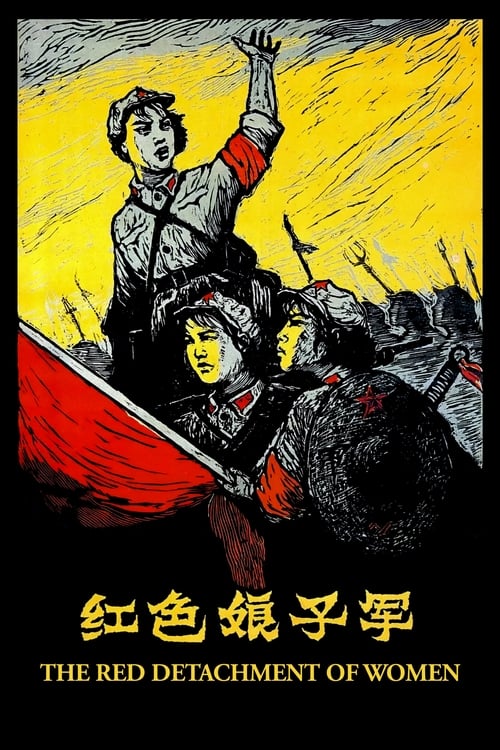
Xie Jin’s work is a powerful exploration of social restructuring and the empowerment of underrepresented groups. The film stands out in its radical reconfiguration of gender roles, transitioning the protagonist from a domestic servant to a military leader. This transformation directly challenges traditional feminine roles and feudal oppression. While the film is highly progressive in its treatment of gender and class, it remains narrowly focused. Its narrative is confined to a mid-century revolutionary framework, which excludes LGBTQ+ identities and neurodivergent representation. The cultural focus is localized, presenting a homogeneous cast consistent with its historical context. Overall, the film is a significant piece of social critique, using the dismantling of the landlord class as a vehicle for female empowerment, making it a landmark study of systemic change despite its limited multi-layered diversity.
Category Breakdown
The film does not depict any non-straight relationships or identities. It focuses solely on class and gender issues without addressing LGBTQ+ themes.
The story transforms a domestic worker into a militant fighter, emphasizing female empowerment and challenging patriarchal structures through organized political action.
The cast is culturally uniform, reflecting a specific historical and geopolitical setting. The narrative emphasizes ethnic and class identity within this context.
The narrative critiques feudalism and landlordism, presenting these institutions as corrupt. It promotes a collective ideology focused on systemic change over established norms.
There are no prominent depictions of physical or neurodivergent disabilities used as central plot devices.
Present on Screen
Limited or Absent
Official Synopsis
Wu Qionghua, a house maid, is abused by a cruel warlord until she joins a troop of women soldiers.
1963
1959
1944
1959
1958
1995

1997
1955
No reviews yet. Be the first to share your thoughts on this movie!
Use the rating form above to leave a star rating and optional review.