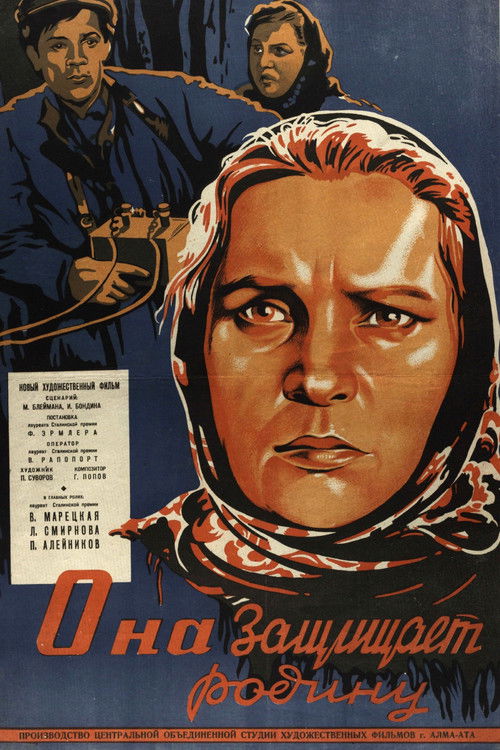
No Greater Love
1943
No user ratings available yet
Representation score: 6.3 out of 10

Representation Score
Limited
1944
Director
Lev Arnshtam
Runtime
95 minutes
Average Rating
No ratings yetNew Showbiz Analysis
The film presents a strong subversion of traditional gender roles through Zoya, who is depicted as a powerful and combative woman rather than a passive figure. However, the demographic composition of the cast is limited, with a lack of diverse ethnic or racial representation. Additionally, the film does not explore LGBTQ+ identities or disabilities as central themes. Its strength lies in its cultural critique, particularly in challenging religious and monarchical authority.
Category Breakdown
The film does not include any LGBTQ+ narratives or representations of non-straight identities.
Zoya is portrayed as a strong, combative woman who rejects traditional feminine roles, focusing instead on her political and military contributions.
The cast is primarily made up of Slavic actors, reflecting the historical context of the Moscow siege without much ethnic or racial diversity.
The film challenges traditional religious and monarchical hierarchies, emphasizing the importance of dismantling these structures for a more equitable society.
Physical injuries and torture are shown as acts of sacrifice, but there is no representation of disability as a defining characteristic of any character.
Present on Screen
Limited or Absent
Official Synopsis
The true story of one of Russia's most beloved national heroines. During the Nazi siege of Moscow, a fearless 18-year-old girl named Zoya risked her life as a partisan fighter. Captured by the Germans, Zoya endured unspeakable tortures at the hands of the Gestapo but still refused to betray her comrades. Even on the gallows, Zoya defiantly spoke out against the Nazis and everything they stood for. In a series of flashbacks, this film re-creates not merely Zoya's death, but also her life.
1943

1957

1970

2009
2021
2009
1941
1955
No reviews yet. Be the first to share your thoughts on this movie!
Use the rating form above to leave a star rating and optional review.