
The Boy Mita
1951
No user ratings available yet
Representation score: 5.9 out of 10
Representation Score
Limited
1951
Director
Yoon Yong-gyu
Runtime
97 minutes
Average Rating
No ratings yetNew Showbiz Analysis
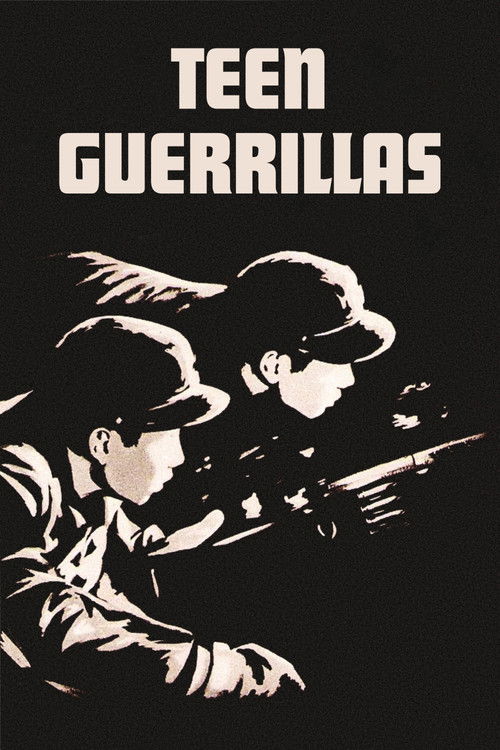
Teen Guerrillas is a product of the intense socio-political upheavals of the Korean War, functioning as a narrative of wartime mobilization. Its primary strength lies in its cultural positioning, offering a rare historical example of non-Western ability to act that disrupts conventional Western-led wartime clichés. However, the film lacks modern multi-layered depth. The focus on a male-coded guerrilla unit reinforces traditional gender hierarchies, and the narrative lacks representation for LGBTQ+ identities or individuals with disabilities. Ultimately, while the film fails to meet contemporary standards for gender and identity diversity, its critique of Western hegemony provides a distinct and valuable perspective on mid-century cinema.
Category Breakdown
The film does not include any LGBTQ+ characters or stories that go beyond the assumption that everyone is straight or cisgender. It focuses on traditional gender roles and social structures from the mid-20th century.
The story revolves around a group of boys forming a guerrilla unit, emphasizing masculine archetypes of combat and espionage. This focus reinforces traditional ideas of wartime leadership and male-dominated military roles.
As a Korean production, the film centers on a non-Western population resisting external intervention. However, the narrative likely maintains a homogeneous ethnic identity consistent with period nationalistic storytelling.
The film offers a significant departure from Western-centric narratives by focusing on a unit sabotaging an American enemy. It prioritizes an anti-Western perspective that critiques global power dynamics and foreign intervention.
There is no documented evidence regarding the portrayal of physical or neurodivergent disabilities within the film's narrative.
Present on Screen
Limited or Absent
Official Synopsis
A group of boys decide to form a guerrilla unit in order to sabotage and spy on the American enemy after one of the communist-controlled cities falls to them.
1951
1962

1970
2010

1955
1984
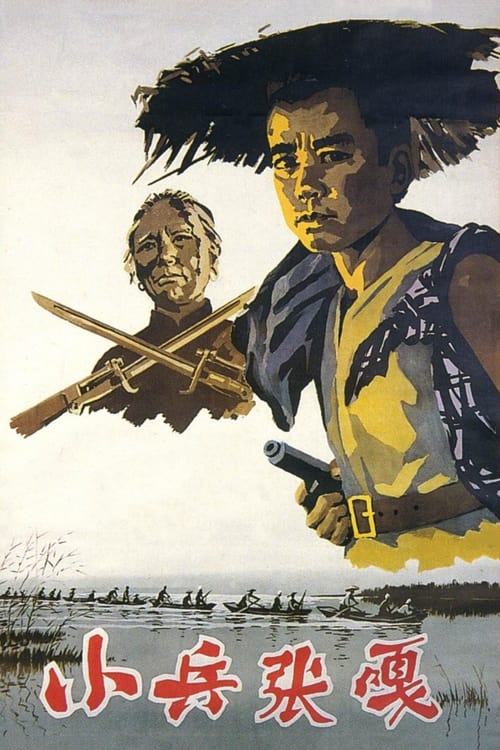
1963
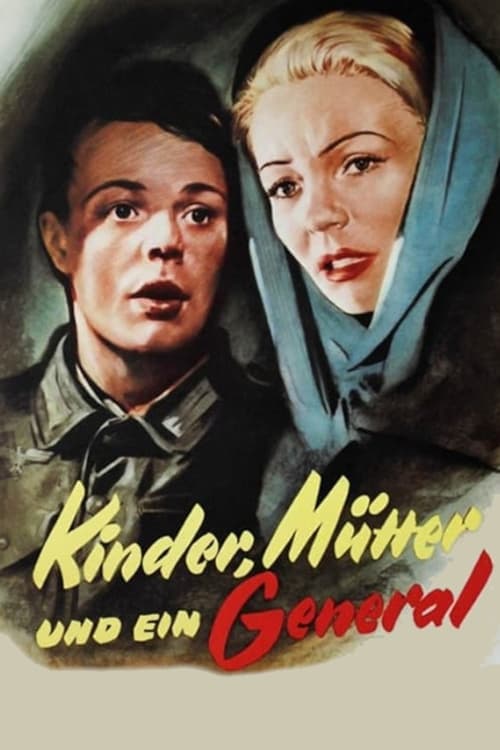
1955
No reviews yet. Be the first to share your thoughts on this movie!
Use the rating form above to leave a star rating and optional review.