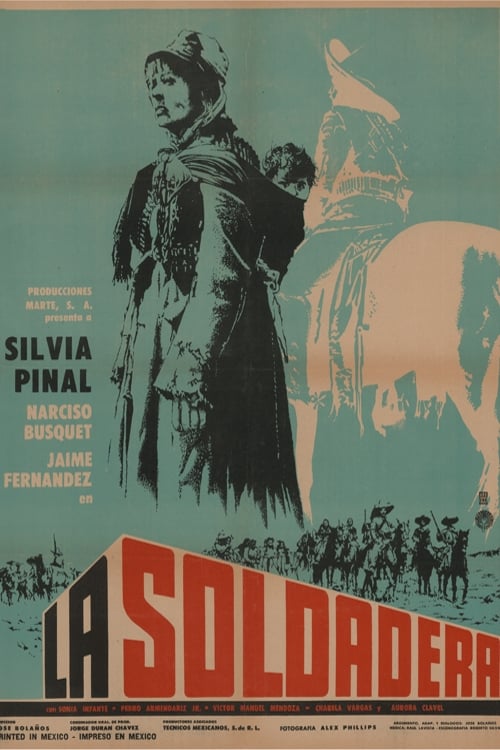
La soldadera
1967
No user ratings available yet
Representation score: 4.0 out of 10
Representation Score
Good
1950
Director
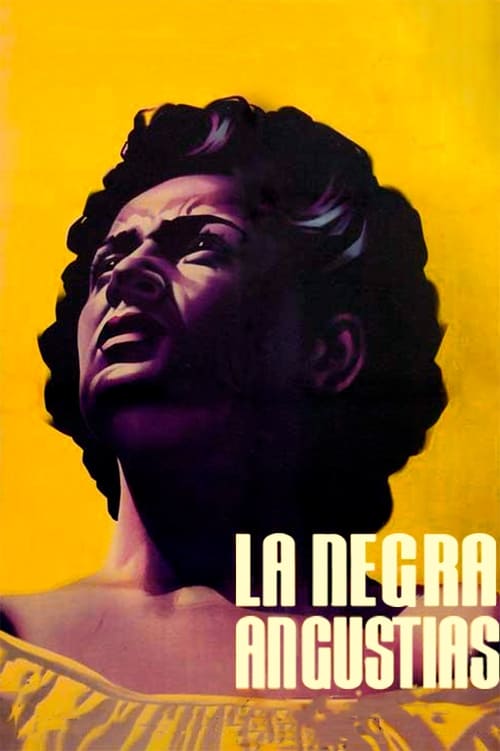
Matilde Landeta
Runtime
82 minutes
Average Rating
No ratings yetNew Showbiz Analysis
Matilde Landeta’s film is a significant disruption of mid-20th-century cinematic landscapes. By centering an Afro-Mexican woman in a position of revolutionary leadership, the film challenges conventional casting hierarchies and provides a rare exploration of the way different parts of someone's identity overlap. The work succeeds by moving away from passive female archetypes toward a model of active command. This intentional subversion of power dynamics allows the protagonist to drive the plot through intellect and martial strength. While the film lacks LGBTQ+ representation, its impact on racial and gendered visibility is profound. It effectively deconstructs traditional Mexican social hierarchies through a highly intentional, multi-layered lens.
Category Breakdown
The film focuses on racial and gendered struggles rather than LGBTQ+ identities. There is no evidence of narratives that critique heterosexuality within the text.
Angustias dismantles patriarchal hierarchies by taking command of a Zapatista battalion. This portrayal of martial leadership provides a direct counter-narrative to the submissive femininity common in 1950s cinema.
This landmark film places an Afro-Mexican woman at the center of a national historical event. It disrupts mestizo-centric depictions of the Revolution by elevating Afro-descendant visibility.
The narrative uses social realism to critique class hierarchies and systemic inequities. It frames the Zapatista movement through the lens of underrepresented identities and socio-economic struggle.
There is no significant evidence regarding the portrayal of physical or neurodivergent disabilities in this work.
Present on Screen
Limited or Absent
Official Synopsis
When her father dies, a young Afro-Mexican woman joins the Revolution, the way he was planning to do, and becomes the leader of a Zapatista battalion.
1967

2008
1968
2004

1992
1979
1996
2015
No reviews yet. Be the first to share your thoughts on this movie!
Use the rating form above to leave a star rating and optional review.