The Pacifist
1970
No user ratings available yet
Representation score: 4.7 out of 10
Representation Score
Limited
1951
ApprovedDirector
Fernand Rivers
Runtime
103 minutes
Average Rating
No ratings yetNew Showbiz Analysis
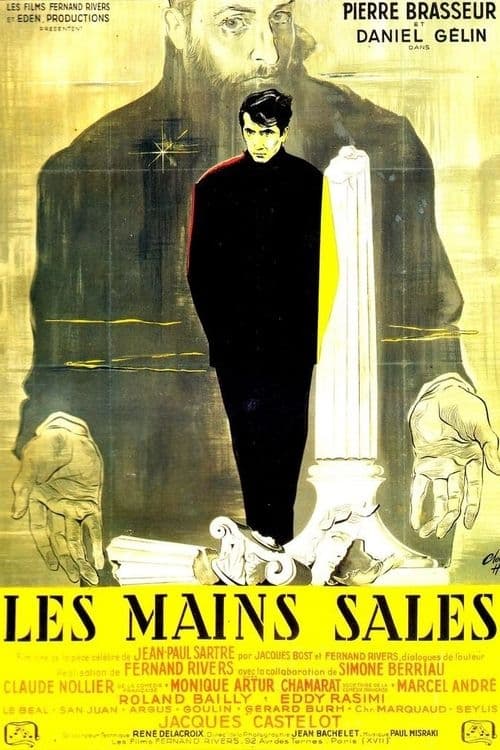
Dirty Hands is a complex work that prioritizes intellectual depth over demographic diversity. It lacks modern markers of representation, such as LGBTQ+ or racial diversity, focusing instead on a homogeneous European political landscape. However, the film excels in its cultural and institutional critique, deconstructing the sanctity of the Communist Party and exploring the corruption of idealism. Ultimately, the film’s strength lies in its refusal to offer simple moral answers, opting for a messy, postmodern exploration of human fallibility over conventional heroic clichés.
Category Breakdown
The film does not include any LGBTQ+ characters or explore non-straight relationships. The story revolves around a traditional marriage and jealousy between men.
Jessica plays a key role in the protagonist's psychological journey, but her influence is limited to domestic and romantic issues. She mainly serves as a point of contention between men.
The film depicts a homogeneous European society with no representation of diverse ethnic backgrounds or multi-layered casting.
The film offers a nuanced critique of political institutions and communist ideologies. It uses moral relativism to challenge the concept of absolute political righteousness.
There are no characters with visible or invisible disabilities featured in the narrative.
Present on Screen
Limited or Absent
Official Synopsis
A young intellectual, Hugo, joins the Communist Party out of a sense of idealism, only to see his principles manipulated by party leaders. He is given the assignment of killing Professor Hoederer, a party deviationist. However, he grows to admire the man and begins to have doubts about morals and revolutionary politics. But jealousy - Hugo thinks Hoederer has made love to his wife, Jessica - takes matters out of the political realm.
1970

1958
1971

1995

1968

1998
1969

1965
No reviews yet. Be the first to share your thoughts on this movie!
Use the rating form above to leave a star rating and optional review.