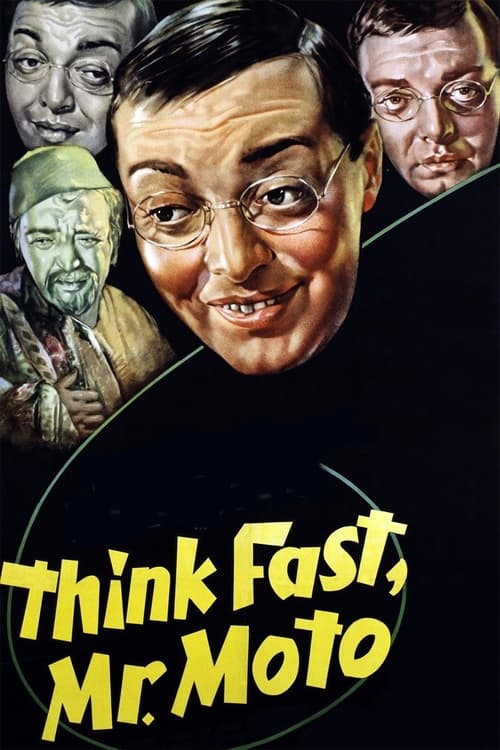
Think Fast, Mr. Moto
1937
No user ratings available yet
Representation score: 0.5 out of 10
Representation Score
Minimal
1949
NRDirector
Joseph Lerner
Runtime
75 minutes
Average Rating
No ratings yetNew Showbiz Analysis
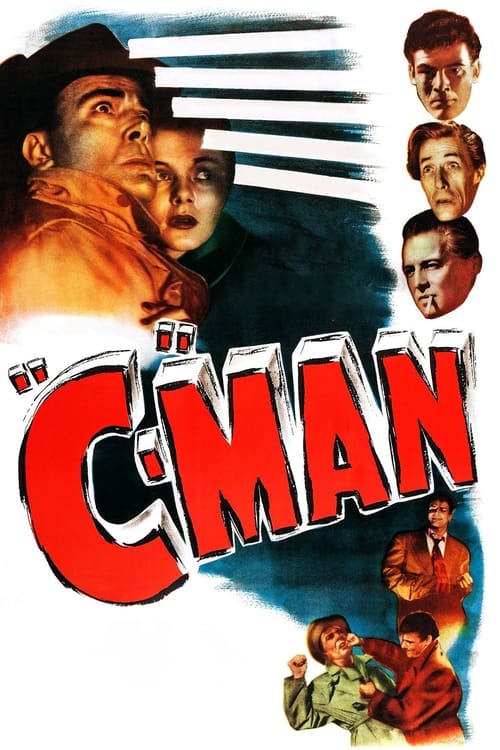
C-Man is a classic post-war crime thriller that adheres to traditional genre conventions and institutional authority. The narrative structure prioritizes straightforward moral conflicts over social complexity or diverse representation. The film reflects the homogeneity of its time, focusing on the tension between law enforcement and criminality without challenging the social norms of the 1940s.
Category Breakdown
The film does not include characters with non-binary genders or same-sex relationships. It follows a traditional storyline centered around straight relationships.
The film likely portrays traditional gender roles, with male characters having authority and women playing secondary or decorative roles.
The story focuses on Western settings such as Paris and New York, lacking racial diversity and featuring a homogeneous, Western European perspective.
The plot upholds established social orders and institutional authority, operating within traditional Western legal systems without critiquing them.
There is no mention of characters with visible or invisible disabilities.
Present on Screen
Limited or Absent
Official Synopsis
A customs agent follows a jewel smuggler's trail of corpses from Paris to New York.
1937
1949
1946
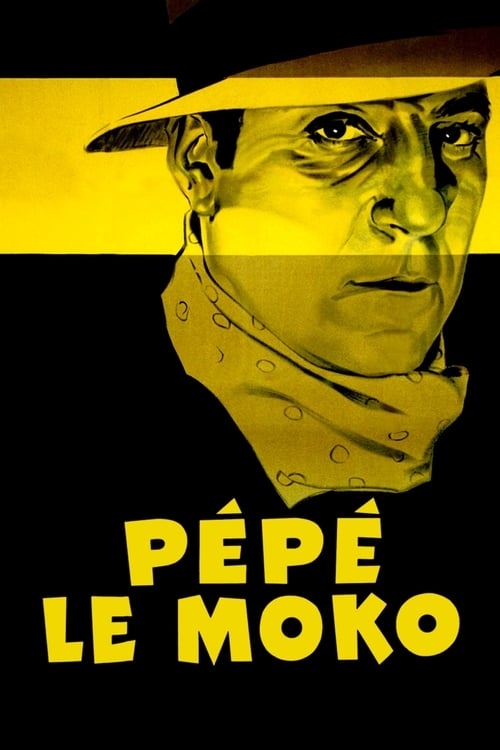
1937
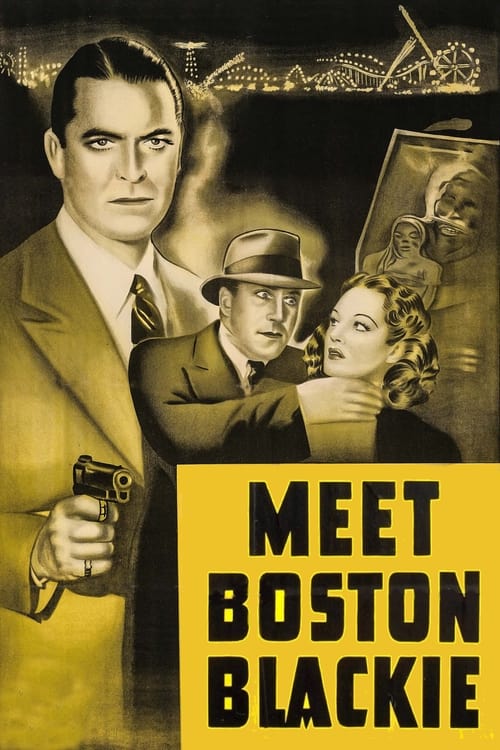
1941
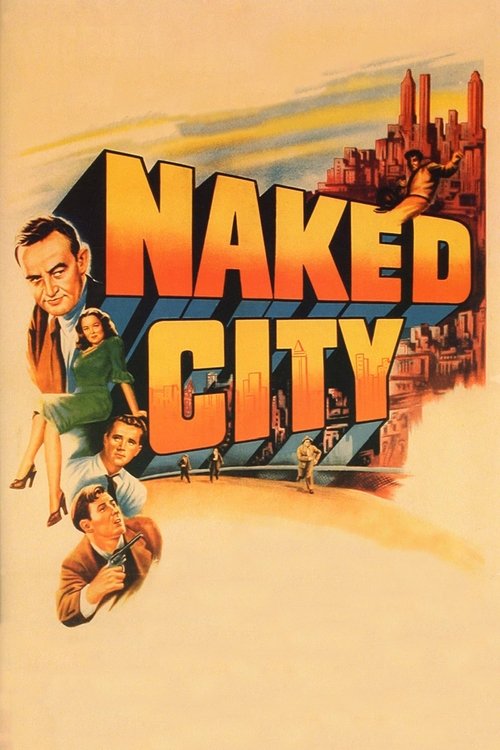
1948
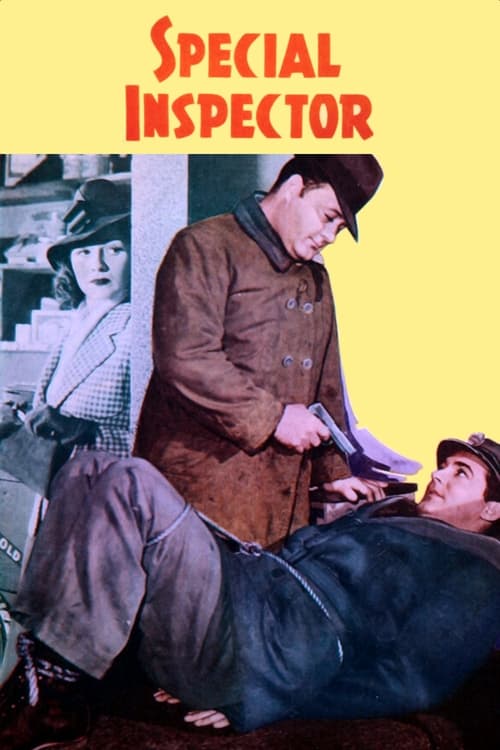
1938

1955
No reviews yet. Be the first to share your thoughts on this movie!
Use the rating form above to leave a star rating and optional review.