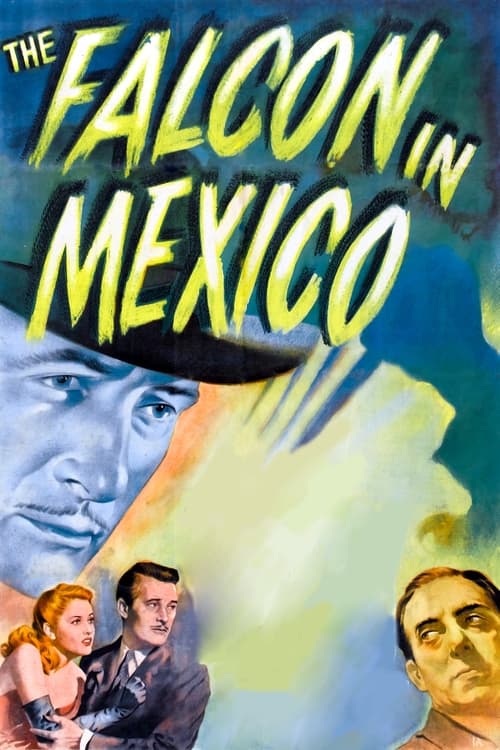
The Falcon in Mexico
1944
No user ratings available yet
Representation score: 1.6 out of 10
Representation Score
Minimal
1941
NRDirector
Robert Florey
Runtime
60 minutes
Average Rating
No ratings yetNew Showbiz Analysis
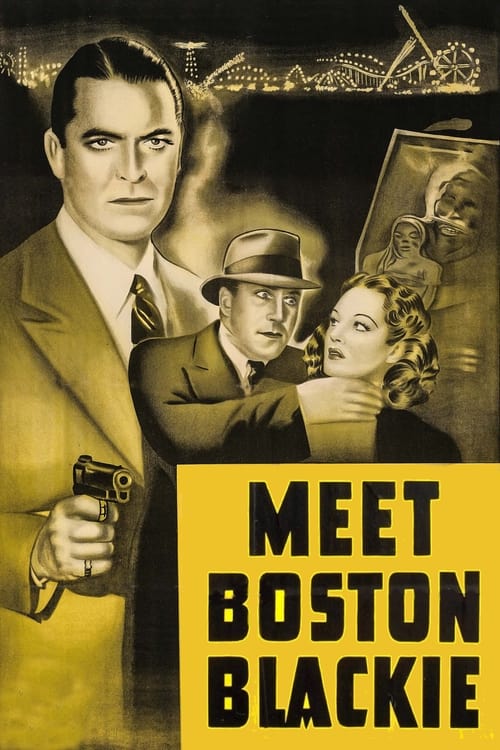
Meet Boston Blackie is a classic product of its time, fitting the traditional crime drama format. It relies on well-known genre clichés that emphasize a standard detective storyline over any social challenges. The film upholds the demographic and social norms of 1941. It lacks depth in representing diverse identities, maintaining the status quo instead of questioning institutional or cultural norms. Overall, the film serves as a window into mid-century storytelling, where character roles are defined by traditional gender roles and a homogeneous society.
Category Breakdown
The film follows the straight and cisgender norms of 1941. It does not include any non-binary gender identities or same-sex relationships.
Women in the film have minor roles, often serving as love interests or secondary plot devices. The movie upholds traditional mid-century gender roles and hierarchies.
The cast is mostly uniform, reflecting the typical urban crime dramas of the early 1940s. There is no significant diversity in race or ethnicity.
The story focuses on law and order within a capitalist city. It supports the current social order without questioning traditional hierarchies.
There are no visible portrayals of physical, sensory, or neurodivergent conditions. Characters are shown as typically able-bodied.
Present on Screen
Limited or Absent
Official Synopsis
When a murder occurs on an ocean liner docked in New York, the trail leads to Coney Island and a spy ring.
1944

1949

1941

1948
1941
1945

1935

1938
No reviews yet. Be the first to share your thoughts on this movie!
Use the rating form above to leave a star rating and optional review.