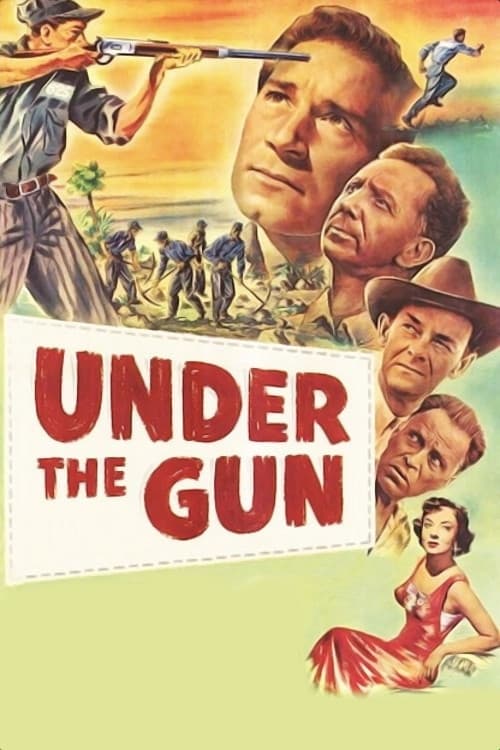
Under the Gun
1951
No user ratings available yet
Diversity score: 2.6 out of 10
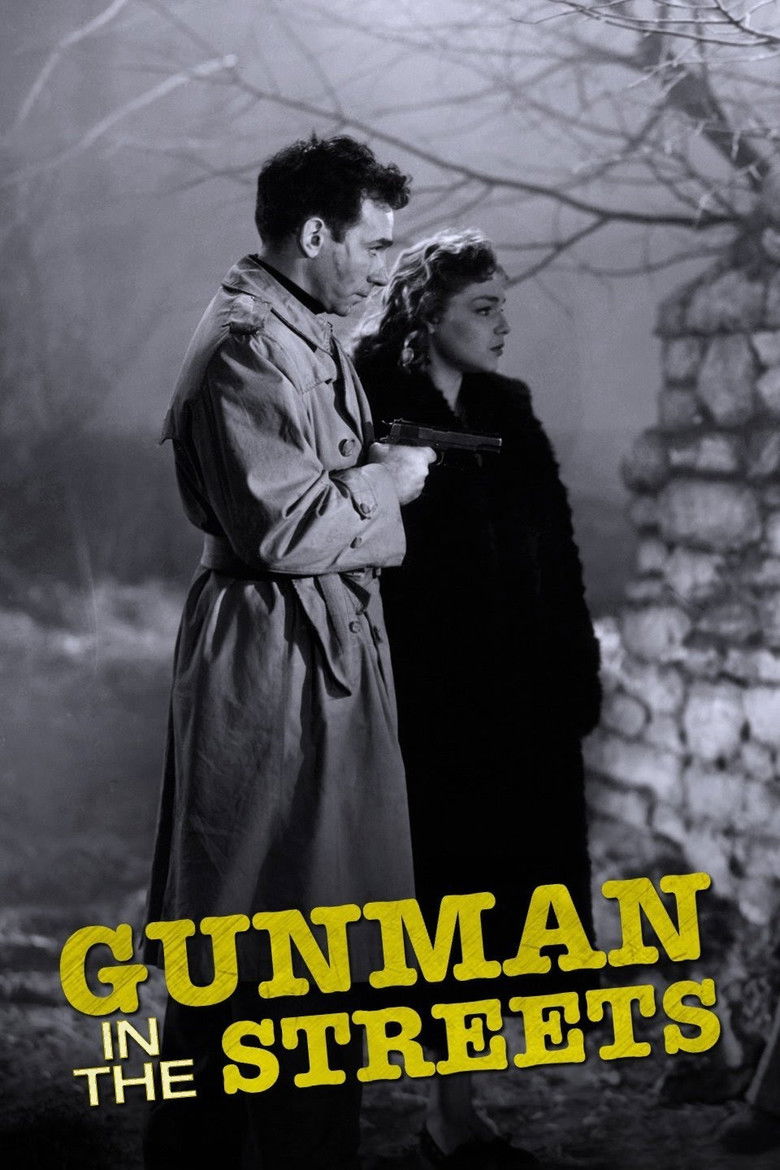
1950
NRDirector
Frank Tuttle
Runtime
86 minutes
Average Rating
No ratings yetSynopsis
An American is on the run in the streets and back alleys of France.
Overall Score
Limited
Category Breakdown
LGBTQ+ Representation
The film likely adheres to the heteronormative standards typical of 1950s crime thrillers. There is no evidence of non-cisnormative identities or critiques of traditional orientations.
Gender Representation
Male protagonists likely drive the action while female characters occupy supporting or domestic roles. The film does not appear to subvert traditional gender hierarchies or masculinity.
Racial & Ethnic Diversity
While set in France, the production likely maintains a homogeneous lens. There is no evidence of a diverse cast or characters of color possessing significant agency.
Religious & Cultural Diversity
The narrative follows conventional 1950s moral frameworks and established social orders. It appears to reinforce standard protagonist and antagonist binaries rather than critiquing Western institutions.
Disability Representation
There is no verifiable information regarding the inclusion of characters with visible or invisible disabilities.
Strengths
Areas for Improvement
AI Analysis
Gunman in the Streets is a mid-century crime drama that appears to function within the rigid social and cinematic constraints of 1950. The film follows the standard genre tropes of its era, focusing on a male protagonist on the run through France. The production lacks evidence of intersectional representation or narrative subversion. It likely reinforces traditional hierarchies regarding gender, race, and orientation, consistent with the Western-centric casting and moral structures of the period. Ultimately, the film serves as a product of its time, prioritizing established genre conventions over the exploration of diverse identities or systemic critiques.
1951

1950
1959
1959
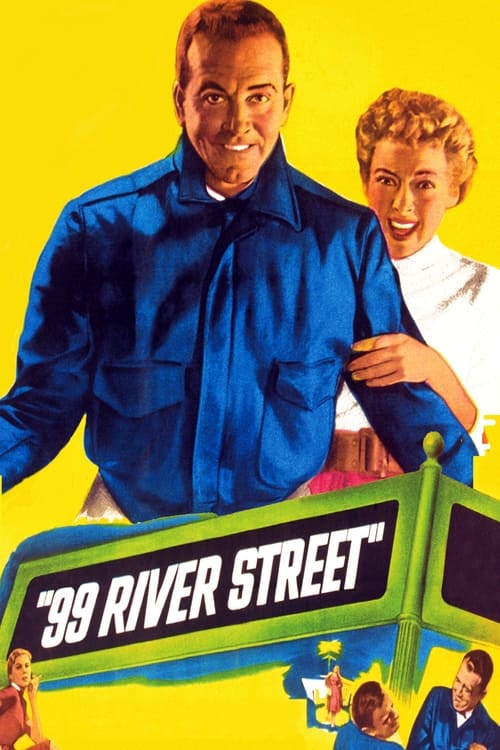
1953
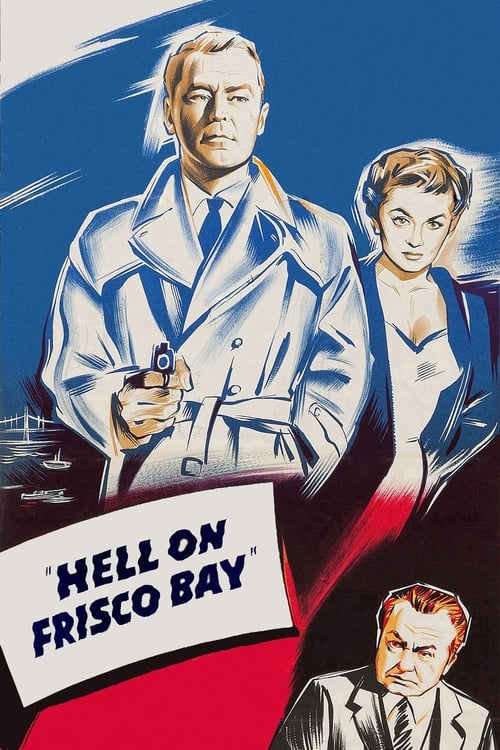
1955

1958
1948

1967
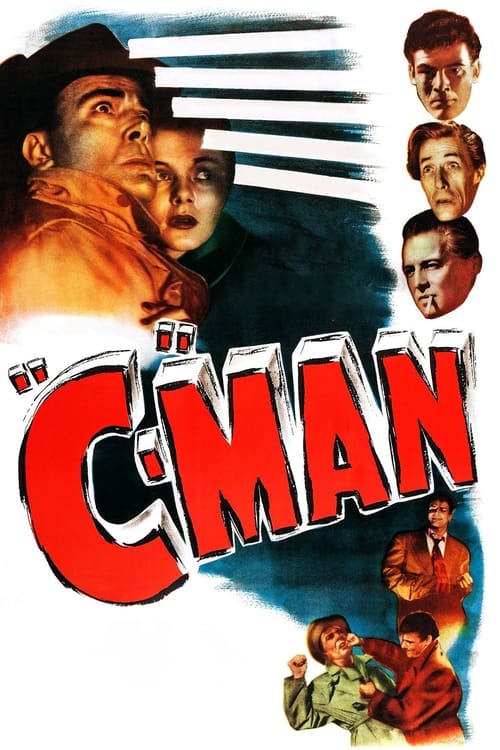
1949
1955
1963
No reviews yet. Be the first to share your thoughts on this movie!
Use the rating form above to leave a star rating and optional review.