Undercover Girl
1950
No user ratings available yet
Representation score: 2.2 out of 10
Representation Score
Limited
1949
NRDirector
Ted Tetzlaff
Runtime
79 minutes
Average Rating
No ratings yetNew Showbiz Analysis
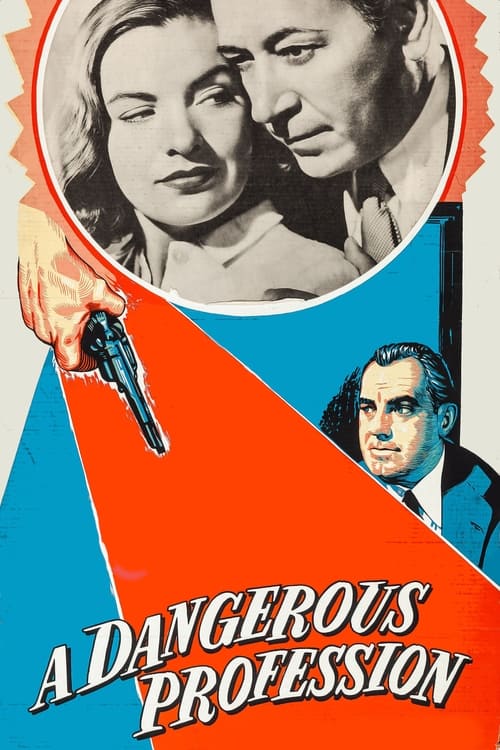
A Dangerous Profession is a classic product of the 1949 studio system, functioning as a traditional crime drama. It relies on established genre clichés that reinforce the social hierarchies of its time rather than challenging them. The film does not intentionally include diverse perspectives or identities. The narrative structure revolves around standard mid-century archetypes, leaving little room for non-traditional identities. Ultimately, the work captures the essence of post-war American media, where themes of law, order, and romance adhere strictly to conventional boundaries.
Category Breakdown
The film follows traditional structures that assume everyone is straight or cisgender. There are no non-cisgender gender identities or same-sex relationships shown in the story.
The story focuses on a male professional who drives the plot and holds the main investigative authority. Female characters appear mainly as romantic interests and have little influence over the plot.
The production reflects the demographic uniformity typical of 1940s crime dramas. The cast and setting suggest a standard Anglo-Saxon focus without diverse ethnic representation.
The narrative operates within the traditional social and moral frameworks of post-war America. It reinforces these norms without questioning them.
There are no characters with visible or invisible disabilities in the film. The movie does not address neurodivergence or physical disability as part of the story.
Present on Screen
Limited or Absent
Official Synopsis
A cop-turned-bail bondsman gets involved in a murder investigation involving a former flame.
1950
1949
1944
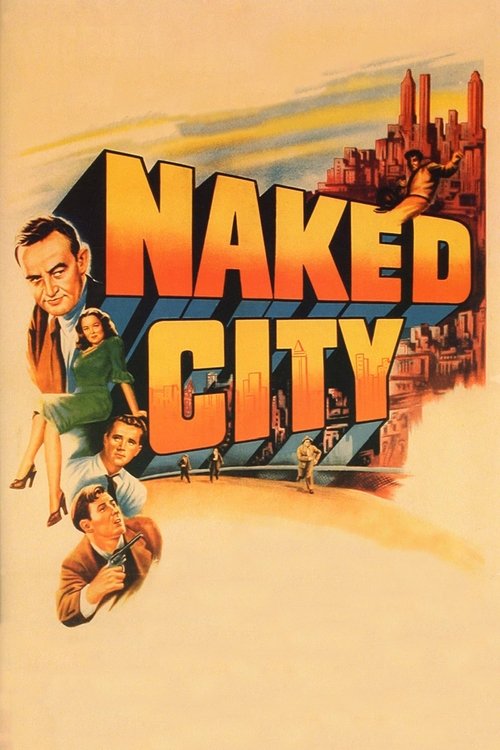
1948
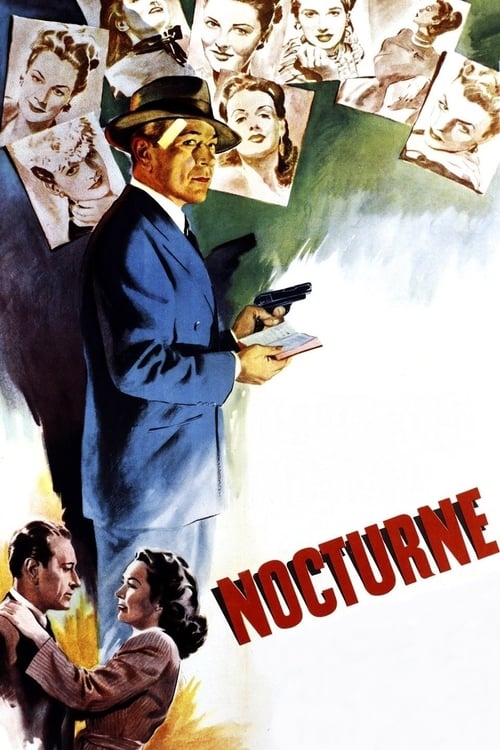
1946
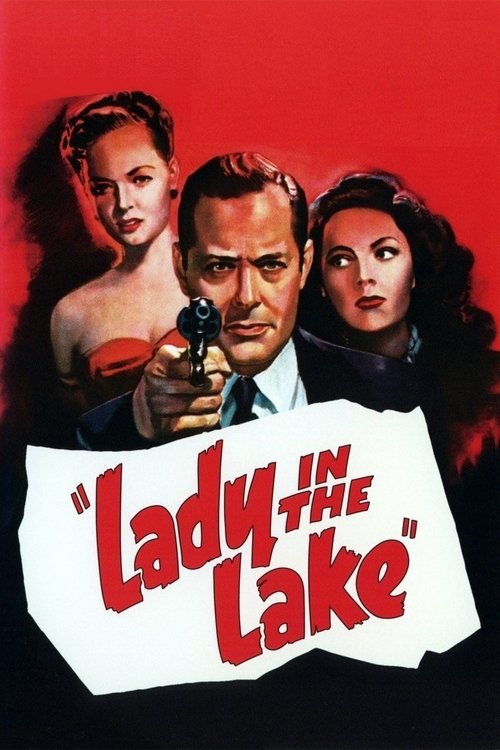
1946
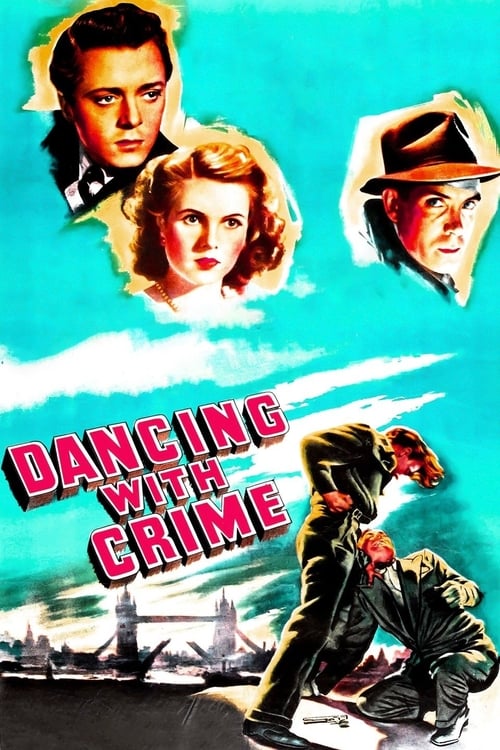
1947
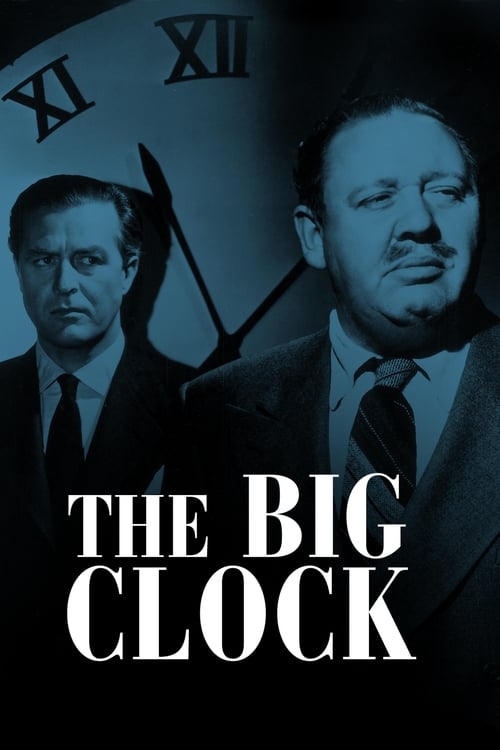
1948
No reviews yet. Be the first to share your thoughts on this movie!
Use the rating form above to leave a star rating and optional review.