Soak the Poor
1937
No user ratings available yet
Representation score: 1.4 out of 10
Representation Score
Minimal
1940
ApprovedDirector
Felix E. Feist
Runtime
20 minutes
Average Rating
No ratings yetNew Showbiz Analysis
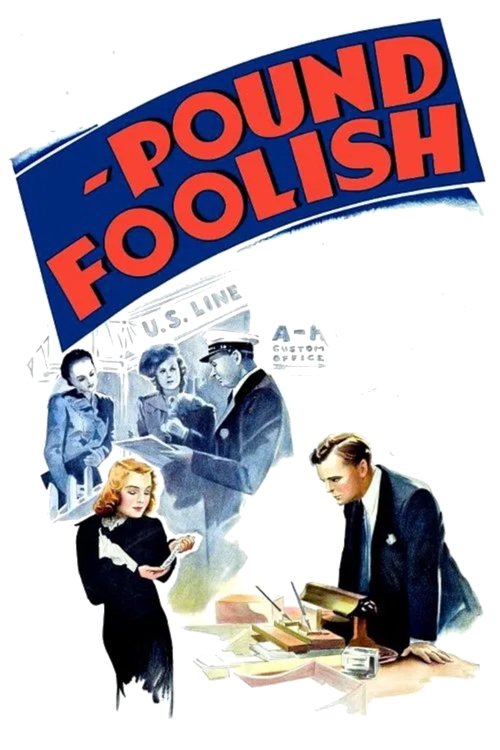
Pound Foolish is a product of the 1940s MGM studio system, designed to deliver genre-driven narratives with a moralistic message. The film primarily serves to reinforce existing social and legal structures through its crime-exposé format. The production relies on the homogeneous storytelling methods of its time, lacking in-depth exploration of diverse identities. Instead, it focuses on standardized moral frameworks and traditional demographic norms. Ultimately, the film supports the status quo rather than challenging contemporary social hierarchies.
Category Breakdown
The film does not include any LGBTQ+ characters or non-straight relationships, sticking to the traditional heterosexual norms of the 1940s.
Female characters like Lynne Carver and Gertrude Michael play key roles, but they are likely confined to traditional supporting roles without challenging gender norms.
The film follows the casting practices of the 1940s, featuring an ensemble that is predominantly white and Anglo-Saxon, with no indication of diverse casting.
The story emphasizes adherence to traditional legal and moral standards, reinforcing state authority and conventional morality without questioning broader societal issues.
The film does not depict any characters with visible or invisible disabilities, nor does it offer any representation for the disabled community.
Present on Screen
Limited or Absent
Official Synopsis
An expose of attempts by wealthy people to avoid payment of customs duties. Part of the MGM "Crime Does Not Pay" series.
1937
1933
1940
1940
1940
1940
1941
1938
No reviews yet. Be the first to share your thoughts on this movie!
Use the rating form above to leave a star rating and optional review.