Hammer the Toff
1952
No user ratings available yet
Diversity score: 2.0 out of 10
1955
ApprovedDirector
Edward Dein
Runtime
80 minutes
Average Rating
No ratings yetSynopsis
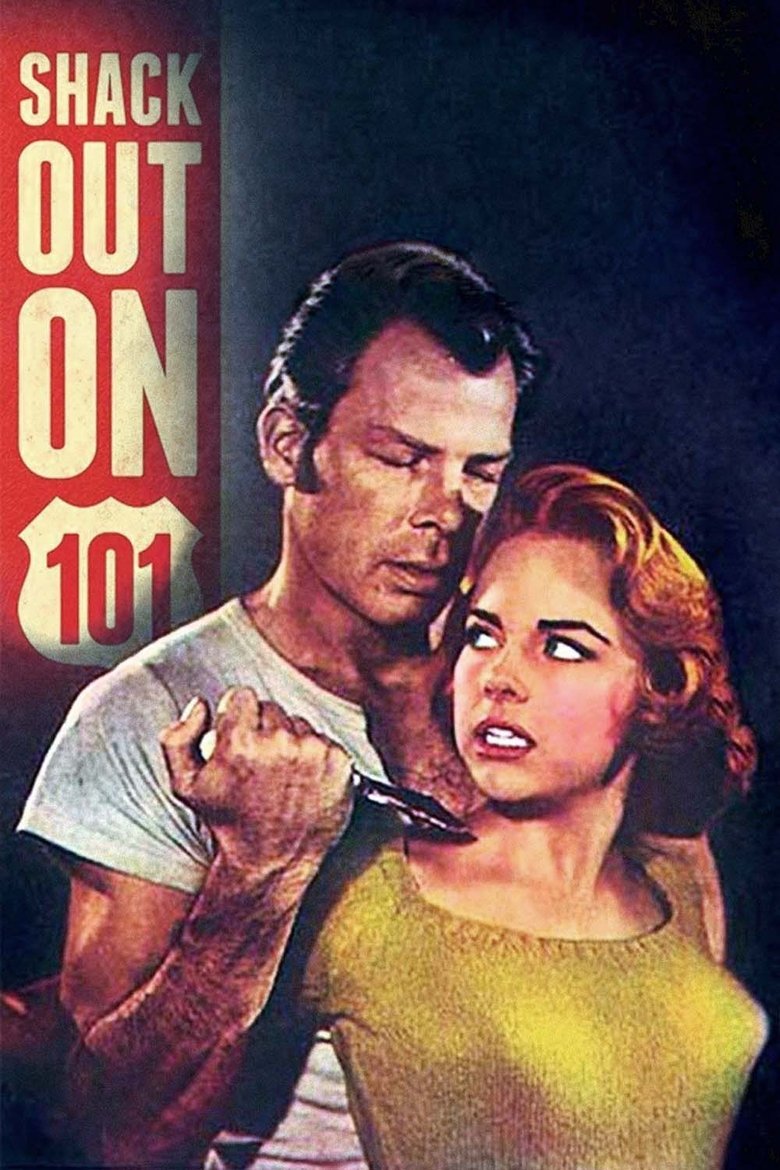
A greasy spoon diner provides a base for a spy smuggling nuclear secrets.
Overall Score
Limited
Category Breakdown
LGBTQ+ Representation
The film adheres to the heteronormative standards of its era. There is no evidence of non-cisnormative gender identities or same-sex intimacy within the narrative.
Gender Representation
The story reinforces traditional mid-century hierarchies by focusing on masculine archetypes. Women lack significant agency and do not disrupt the established patriarchal dynamics.
Racial & Ethnic Diversity
Casting follows conventional Western tropes with a primarily homogeneous white cast. The film lacks intersectional casting or meaningful representation of non-Anglo-Saxon characters.
Religious & Cultural Diversity
The narrative operates within a framework of traditional Western values and social stability. It avoids moral relativism, instead following a singular, traditional moral compass.
Disability Representation
There is no evidence of characters with visible or invisible disabilities being portrayed with agency. The film does not provide nuanced depictions of neurodivergence or chronic illness.
Strengths
Areas for Improvement
AI Analysis
Shack Out on 101 is a conventional 1955 crime drama that functions as a product of its historical context. It relies heavily on the standard social and racial hierarchies prevalent in mid-century genre filmmaking. The film lacks intentionality regarding progressive representation. It prioritizes masculine individualism and traditional Western values, offering little room for diverse perspectives or subversions of the status quo. Ultimately, the production reinforces established cultural norms rather than challenging them, resulting in a narrow and homogeneous cinematic experience.
1952
1942
1941
1951
1951
1953
1960
1949
1964
1958
1962
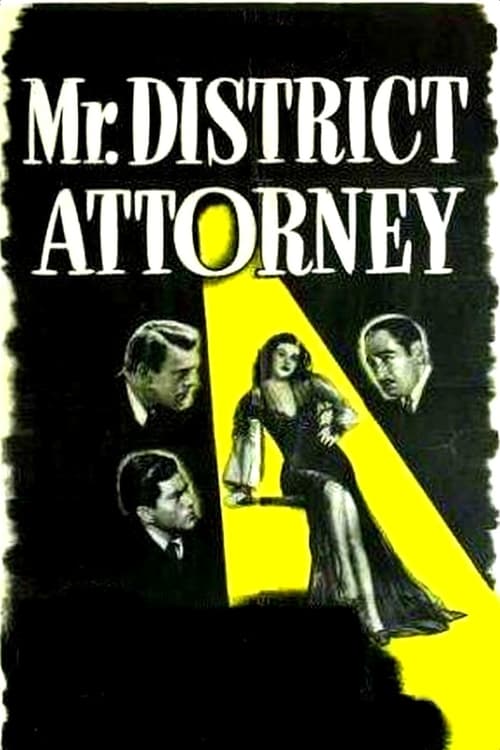
1947
No reviews yet. Be the first to share your thoughts on this movie!
Use the rating form above to leave a star rating and optional review.