Conversation with Fritz Lang
1975
No user ratings available yet
Diversity score: 4.3 out of 10

1957
Director
Andrew Thorndike, Annelie Thorndike
Runtime
19 minutes
Average Rating
No ratings yetSynopsis
The East German documentary uncovers the postwar career of Heinz Reinefarth, the former SS general responsible for atrocities during the Warsaw Uprising who became mayor of Westerland on the island of Sylt. Combining archival footage with contemporary interviews, the film indicts West Germany for allowing former Nazi officials to return to public office.
Overall Score
Fair
Category Breakdown
LGBTQ+ Representation
The film lacks LGBTQ+ characters or narratives. Its focus remains strictly on political indictment and historical documentation of postwar Germany.
Gender Representation
The narrative centers on the political agency of male figures like Heinz Reinefarth. It does not prioritize female agency or the subversion of gender hierarchies.
Racial & Ethnic Diversity
The documentary focuses on the internal sociopolitical dynamics of the German state. It reflects the homogeneous social landscape of the era and its specific political subjects.
Religious & Cultural Diversity
The film provides a sharp systemic critique of West German institutions. It challenges the legitimacy of postwar political structures by highlighting moral compromises in administration.
Disability Representation
There is no evidence regarding the portrayal of physical or mental disabilities within the film's subject matter.
Strengths
Areas for Improvement
AI Analysis
Vacation in Sylt is a documentary focused on historical accountability rather than demographic variety. It functions as a political indictment of West Germany's decision to allow former SS officials to hold public office. While the film lacks representation of marginalized identities like LGBTQ+ individuals or diverse racial groups, it excels in cultural critique. It deconstructs the perceived stability of postwar institutions through a lens of systemic corruption. The work is defined by its subject matter—the reintegration of Nazi officials—which naturally limits its scope to a specific, homogeneous sociopolitical context.
1975
2024
2002
2015

1991

2009
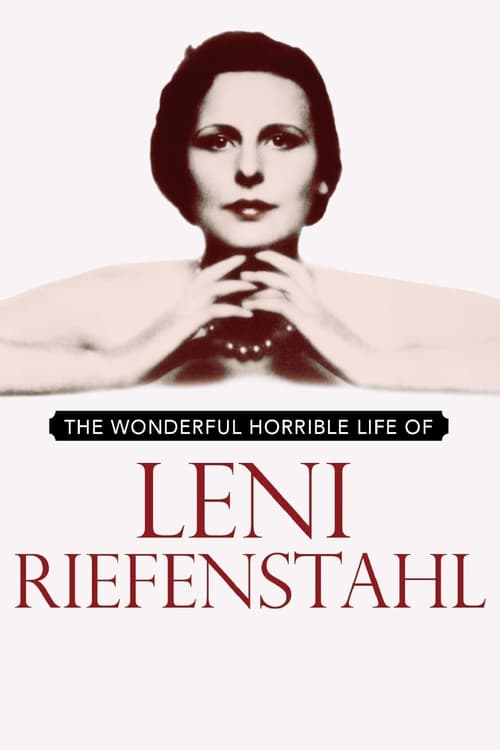
1993
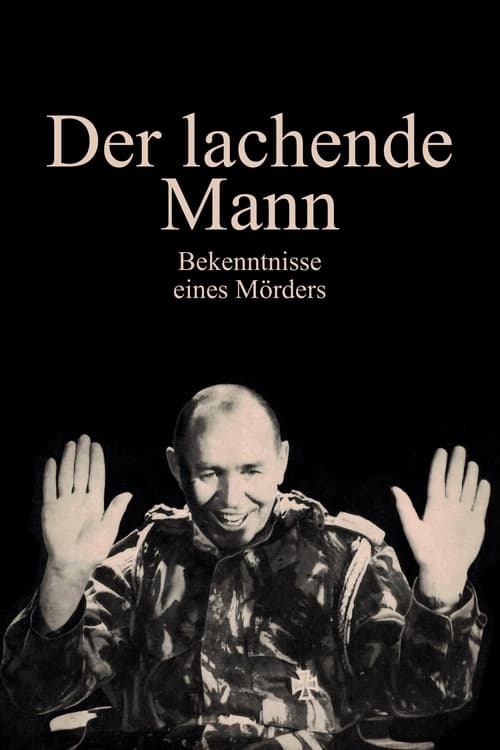
1966
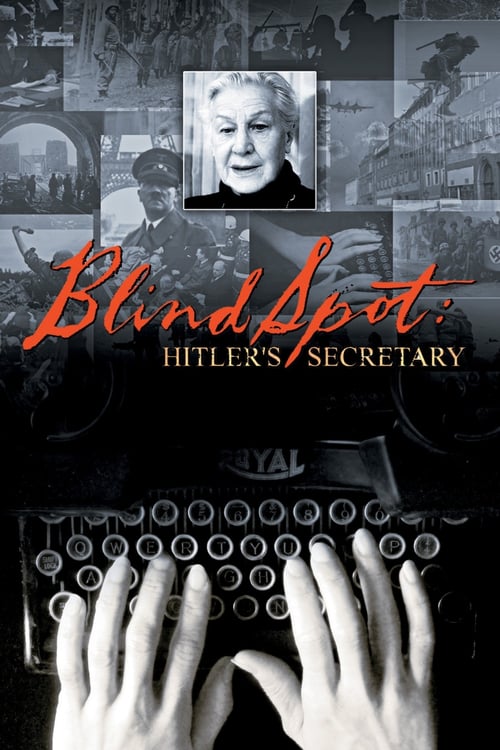
2002

2016

1984

1965
No reviews yet. Be the first to share your thoughts on this movie!
Use the rating form above to leave a star rating and optional review.