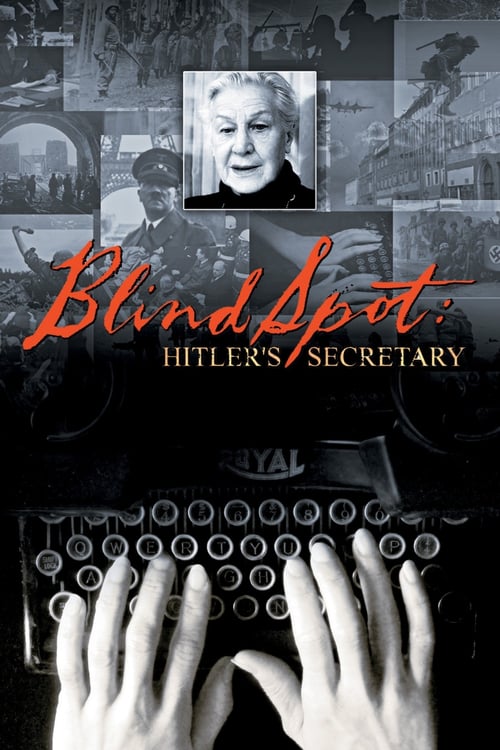
Blind Spot: Hitler's Secretary
2002
No user ratings available yet
Representation score: 2.3 out of 10

Representation Score
Limited
2016
Director
Christian Krönes, Roland Schrotthofer, Florian Weigensamer, Olaf S. Müller
Runtime
109 minutes
Average Rating
No ratings yetNew Showbiz Analysis
A German Life operates as a specialized historical documentary rather than a platform for diverse representation. It relies on the firsthand testimony of Brunhilde Pomsel to explore the psychological landscape of the Third Reich and the mechanics of propaganda. The film’s strength lies in its sociological warning about systemic indoctrination and authoritarianism, offering a critical deconstruction of state-driven ideologies. However, the film lacks multi-layered diversity due to its narrow historical focus, missing opportunities to include a range of racial, ethnic, or LGBTQ+ perspectives.
Category Breakdown
The documentary focuses on the administrative environment of the Nazi Ministry of Propaganda and does not include any LGBTQ+ characters or stories about queer experiences.
The film centers on Brunhilde Pomsel, a woman navigating a male-dominated political hierarchy. It highlights a female perspective on systemic power without explicitly challenging traditional gender roles.
The scope is limited to the German administrative state during the 1930s and 1940s, which results in a lack of racial or ethnic diversity.
The narrative critiques nationalist ideologies and the corruption of state institutions. It emphasizes historical scrutiny of Western political structures over traditional cultural values.
There is no evidence of subjects representing physical, neurodivergent, or mental health disabilities within this documentary.
Present on Screen
Limited or Absent
Official Synopsis
Brunhilde Pomsel was a stenographer for Nazi Propaganda Minister Joseph Goebbels. Many people think that the dangers of fascism have been overcome, but she makes it clear that this is not the case.
2002

1935

1978
2005

1993

1938

2018

2014
No reviews yet. Be the first to share your thoughts on this movie!
Use the rating form above to leave a star rating and optional review.