Berlin - Stettin
2009
No user ratings available yet
Diversity score: 5.1 out of 10

1984
Director
Susan Woll, Richard Leacock
Runtime
48 minutes
Average Rating
No ratings yetSynopsis
Vérité documentarian Richard Leacock’s LULU IN BERLIN features one of the few long interviews ever done with actor Louise Brooks. It took place in her apartment in Rochester, New York, in 1971.
Overall Score
Fair
Category Breakdown
LGBTQ+ Representation
The film centers on Louise Brooks, a figure known for non-conformist gender expressions. While it lacks explicit romantic depictions, the narrative highlights a life that challenged heteronormative social mores.
Gender Representation
The documentary disrupts traditional hierarchies by centering Brooks's intellectual agency. It shifts the cinematic gaze away from male-dominated perspectives toward a nuanced, female-centric historical narrative.
Racial & Ethnic Diversity
The character study is localized to a specific historical figure in a domestic setting. There is no evidence of a diverse cast or a focus on multi-ethnic intersectionality.
Religious & Cultural Diversity
The film prioritizes subjective truth and personal autonomy over institutionalized history. It uses a vérité style to deconstruct cinematic myths through the lens of an icon who lived outside conventional expectations.
Disability Representation
There is no evidence suggesting that disability or neurodivergence is a central theme or a depicted element of the subject's narrative.
Strengths
Areas for Improvement
AI Analysis
Lulu in Berlin succeeds as a specialized biographical study that elevates a non-conformist female icon. By utilizing a cinéma vérité approach, the film provides a platform for Brooks to reclaim her own legacy, effectively challenging traditional, male-dominated cinematic hierarchies. However, the film's scope is narrow. As a focused character study, it lacks broad demographic breadth, particularly regarding racial and ethnic diversity. The narrative remains centered on a singular, localized experience rather than a multi-ethnic or intersectional perspective. Ultimately, the film's strength lies in its commitment to authentic, unvarnished human experience. It trades wide-scale representation for deep, meaningful agency, offering a rare look at a woman's intellectual and personal autonomy.
2009

2013

2012
1984
2013

2018
1998
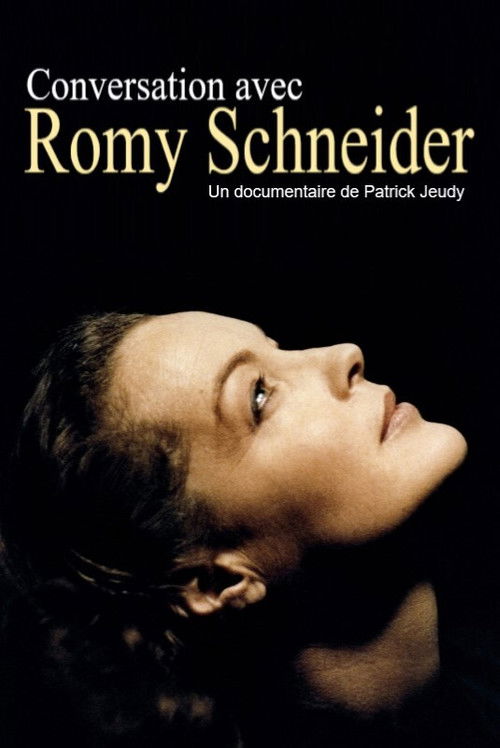
2018

1994
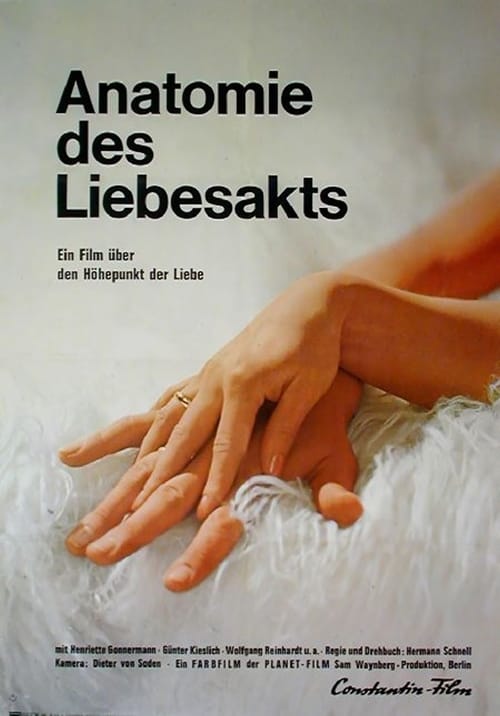
1970

2006
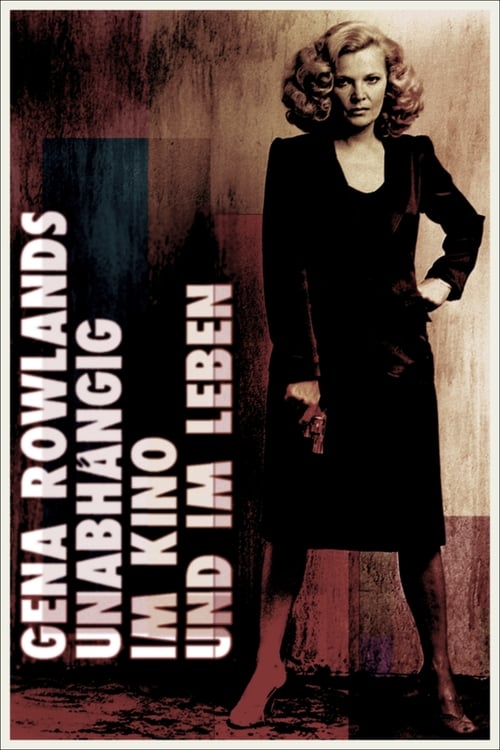
2019
No reviews yet. Be the first to share your thoughts on this movie!
Use the rating form above to leave a star rating and optional review.