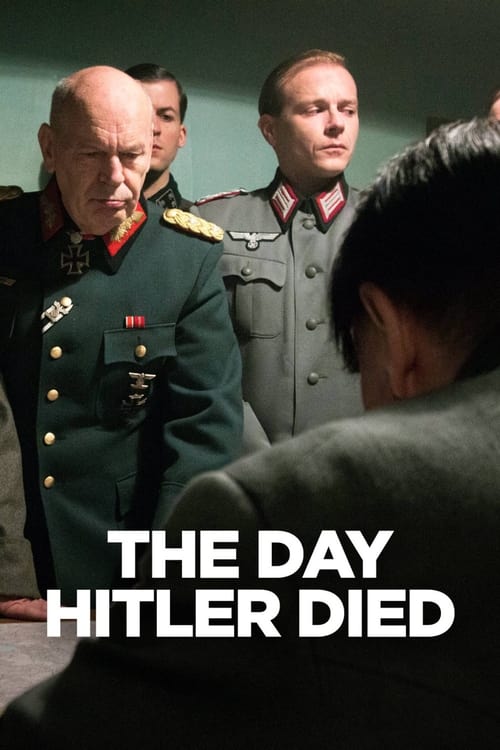
The Day Hitler Died
2015
No user ratings available yet
Representation score: 1.7 out of 10
Representation Score
Limited
2002
PGDirector
André Heller, Othmar Schmiderer
Runtime
90 minutes
Average Rating
No ratings yetNew Showbiz Analysis
This documentary serves as a historical interrogation rather than a tool for social representation. It succeeds in providing a platform for a female witness to recount her experiences within an authoritarian structure, offering a rare perspective on the inner workings of the Third Reich. However, the film lacks diversity. Due to its specific historical focus, it lacks racial, ethnic, and LGBTQ+ diversity. The narrow scope of the subject matter limits its ability to represent a wide array of identities. Ultimately, the film's value lies in its ability to disrupt conventional historical perspectives by centering a single, specific viewpoint within a period of extreme systemic oppression.
Category Breakdown
The documentary focuses solely on the historical testimony of Traudl Junge. There are no LGBTQ+ themes or characters present in this account of the Third Reich.
Traudl Junge plays a significant role in the narrative as she recounts her professional life. The film challenges traditional male-centric historical narratives by centering a woman's experience.
The film is a biographical study centered on a specific German political apparatus. It lacks racial or ethnic diversity due to its narrow historical focus.
The film critiques Western institutional power and the mechanics of systemic oppression. It examines individual morality within the corrupt structures of the Nazi regime.
There is no mention of subjects or characters portraying visible or invisible disabilities within the film's narrative.
Present on Screen
Limited or Absent
Official Synopsis
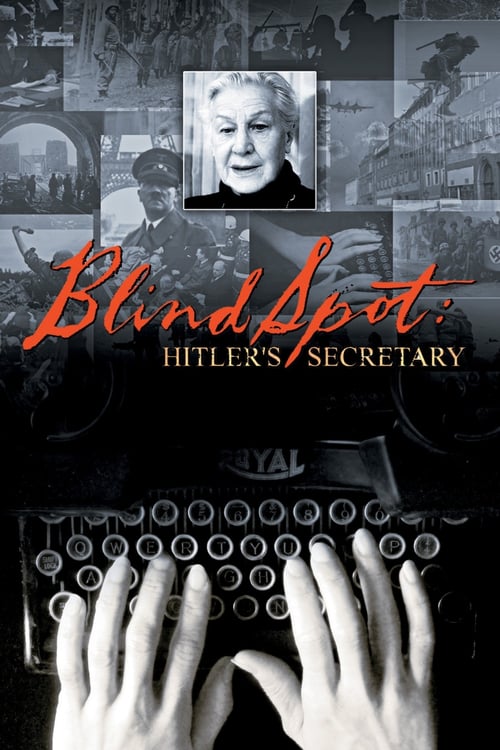
Documentarians Andre Heller and Othmar Schmiderer turn their camera on 81-year-old Traudl Junge, who served as Adolf Hitler's secretary from 1942 to 1945, and allow her to speak about her experiences. Junge sheds light on life in the Third Reich and the days leading up to Hitler's death in the famed bunker, where Junge recorded Hitler's last will and testament. Her gripping account is nothing short of mesmerizing.
2015
1935
1993
1998
1998
1985
1960
1958
No reviews yet. Be the first to share your thoughts on this movie!
Use the rating form above to leave a star rating and optional review.