Heidi Fleiss: Hollywood Madam
1995
No user ratings available yet
Diversity score: 6.4 out of 10
1991
Director
Nick Broomfield
Runtime
85 minutes
Average Rating
No ratings yetSynopsis
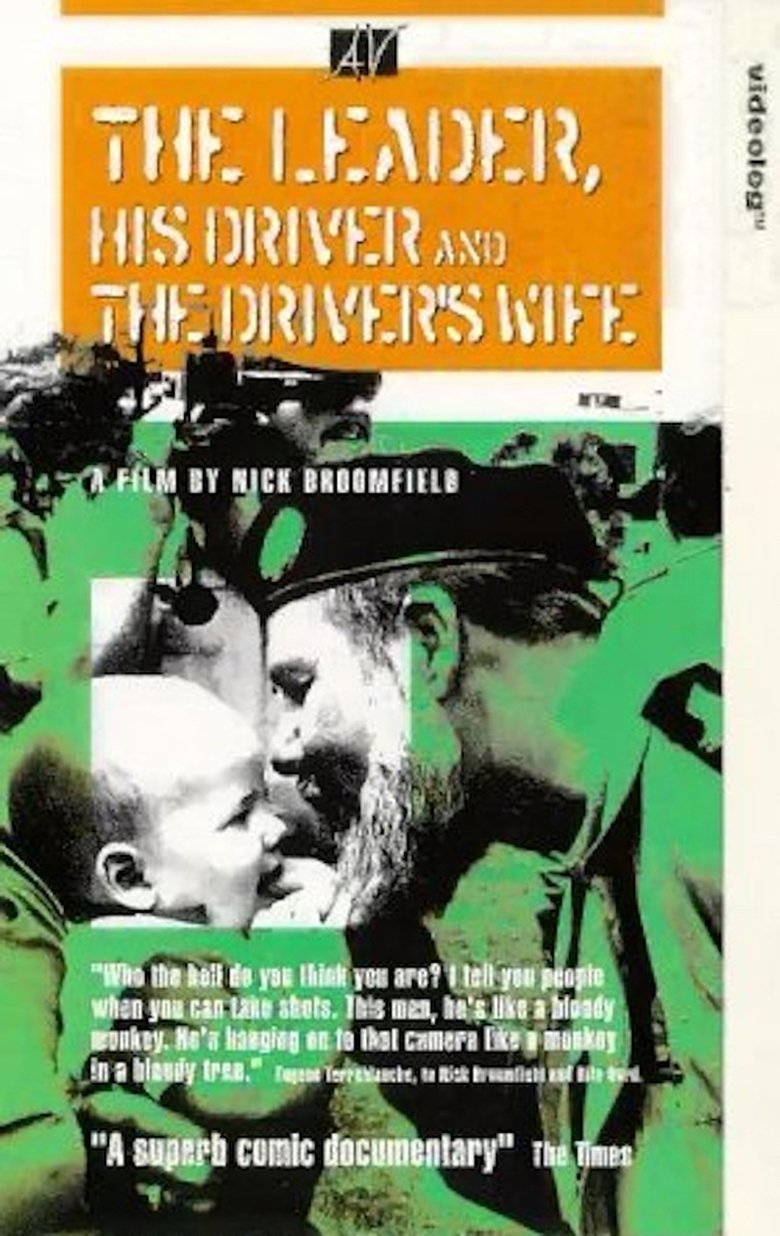
From award-winning director Nick Broomfield, The Leader, His Driver, and the Driver's Wife documents Broomfield's efforts to interview Eugene Terre'Blanche, leader of the sinister neo-nazi AWB Afrikaner Party in South Africa. Cameras capture awkward interactions with skittish AWB supporters, combat training of militant youth, and the coveted interview itself. Broomfield's access to these events is made possible by the leader's driver, whose wavering allegiance to the movement is explored as well.
Overall Score
Limited
Category Breakdown
LGBTQ+ Representation
The film focuses on the political and domestic spheres of a neo-Nazi organization. There are no LGBTQ+ characters or narratives addressing non-cisnormative identities.
Gender Representation
The narrative centers on a triad of male and female figures within a patriarchal structure. Women do not demonstrate significant agency to disrupt the movement's masculine leadership.
Racial & Ethnic Diversity
The investigation centers on an Afrikaner nationalist movement defined by white supremacy. It functions as a study of a racially exclusive power structure rather than intersectional diversity.
Religious & Cultural Diversity
Broomfield uses a self-reflexive style to critique extreme nationalism and exclusionary identity politics. The film deconstructs the mythos of political leaders through a lens of social dysfunction.
Disability Representation
There is no discernible focus on visible or invisible disabilities within the documentary's observational data.
Strengths
Areas for Improvement
AI Analysis
The film's low demographic diversity is a direct result of its subject matter: a neo-Nazi organization built on racial homogeneity and rigid traditionalism. Because the documentary investigates a movement defined by exclusion, the presence of diverse identities is naturally minimal. However, the film provides significant progressive value through its analytical approach. Rather than showcasing diverse identities, it uses a postmodern lens to deconstruct the very ideologies that suppress them. It succeeds as a critique of systemic power and nationalist authority. Ultimately, the work trades demographic variety for intellectual disruption, examining the irrational nature of extremist belief systems.
1995
1999
2013

2010
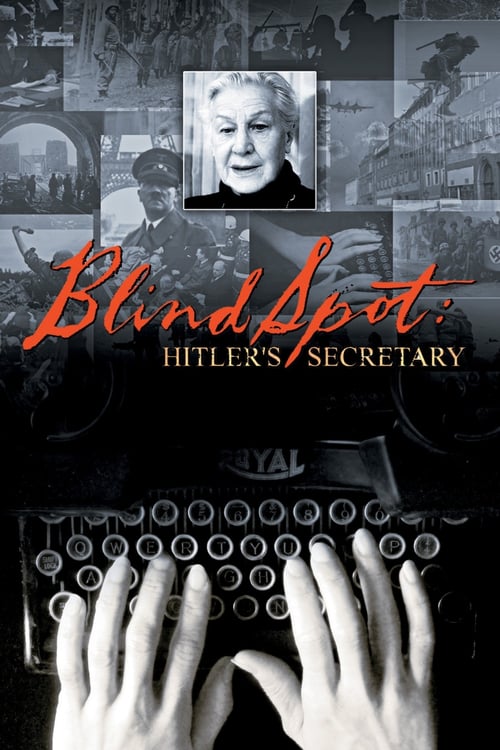
2002
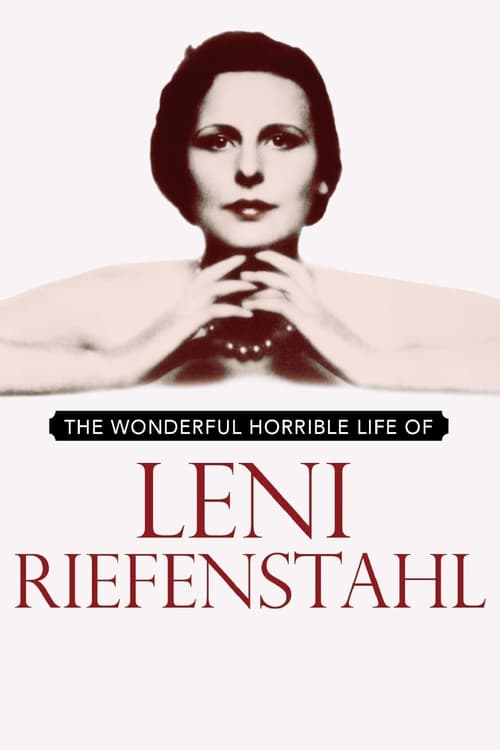
1993

2014
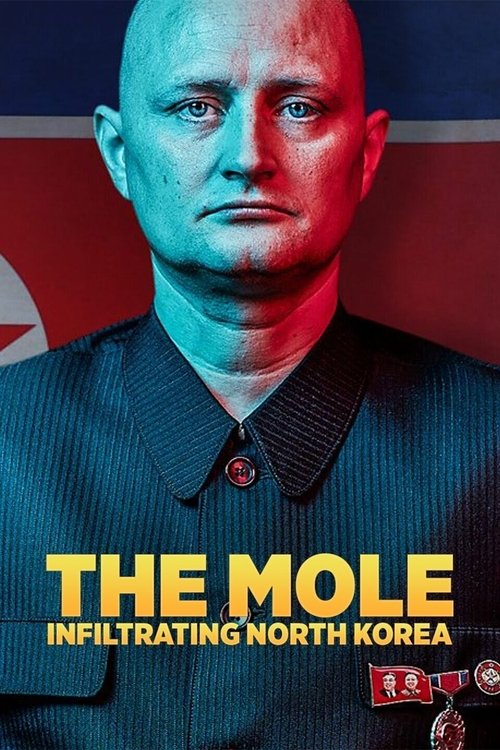
2020

2022

2011
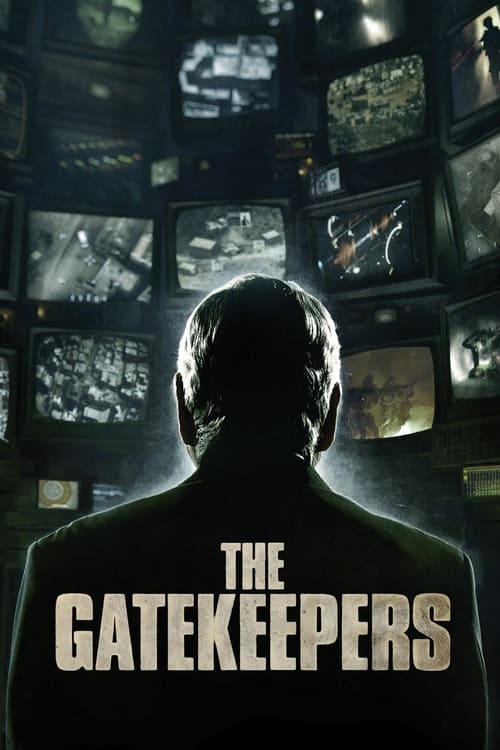
2012
2010
No reviews yet. Be the first to share your thoughts on this movie!
Use the rating form above to leave a star rating and optional review.