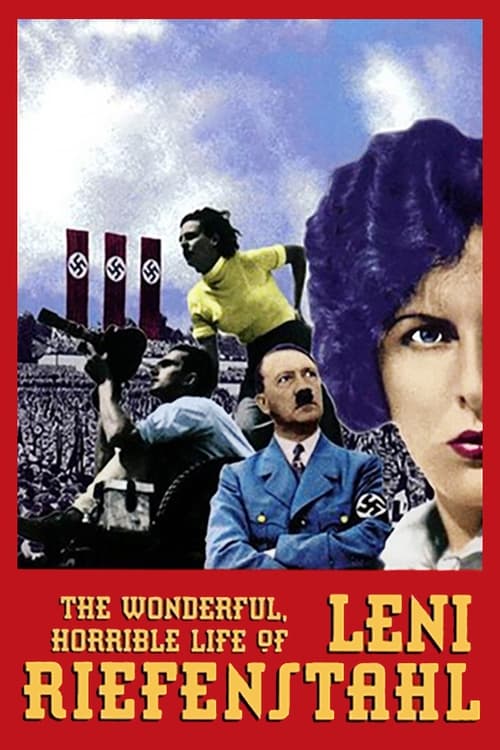
The Wonderful Horrible Life of Leni Riefenstahl
1993
No user ratings available yet
Representation score: 2.9 out of 10
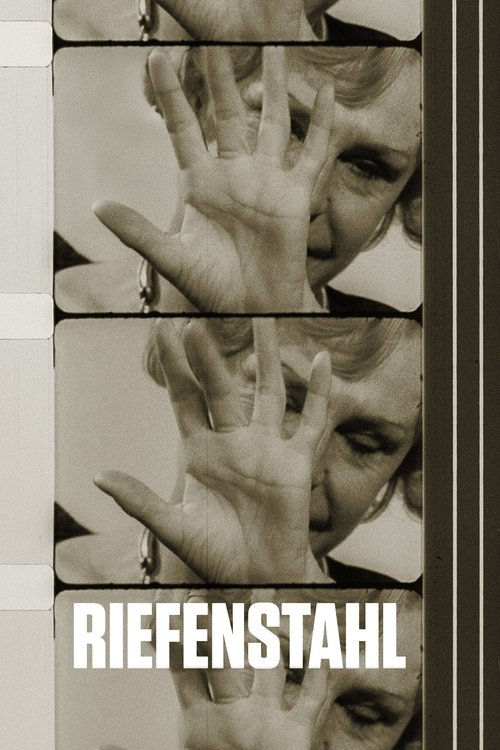
Representation Score
Fair
2024
Director
Andres Veiel
Runtime
115 minutes
Average Rating
No ratings yetNew Showbiz Analysis
Andres Veiel’s documentary offers a critical deconstruction of Leni Riefenstahl, moving beyond the cliché of the isolated artist. It contrasts her self-mythology with the documented atrocities of the Nazi regime, illustrating how individual creativity can be intertwined with systemic oppression. The film excels in challenging historical legacies and the visual language of power. It examines how personal ability to act is co-opted by totalitarian systems, serving as a sophisticated cautionary tale about the intersection of art and politics. However, the film’s scope is limited by its biographical focus on a specific historical period. This results in less diverse representation of racial and ethnic backgrounds.
Category Breakdown
The film explores political and ethical themes rather than focusing on LGBTQ identities. It hints at non-traditional lifestyles but emphasizes the connection between aesthetics and fascist ideology.
The documentary highlights a woman who had significant influence in a patriarchal system. She is portrayed as a complex architect of propaganda rather than a passive figure in history.
The film addresses the historical context of racial hierarchy and exclusion. However, the representation of diverse perspectives is limited by the specific social realities of the time.
The narrative critiques traditional Western power structures and nationalistic institutions. It dismantles heroic imagery to challenge the dangers of uncritical nationalism and state-driven propaganda.
There is no significant evidence regarding the portrayal of disability as a central narrative element in this documentary.
Present on Screen
Limited or Absent
Official Synopsis
Explores Leni Riefenstahl's artistic legacy and her complex ties to the Nazi regime, juxtaposing her self-portrayal with evidence suggesting awareness of the regime's atrocities.
1993

1938
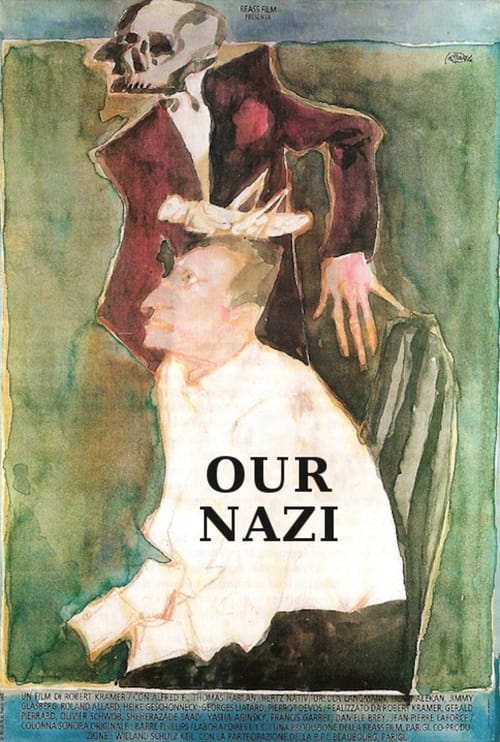
1984

1935

1978
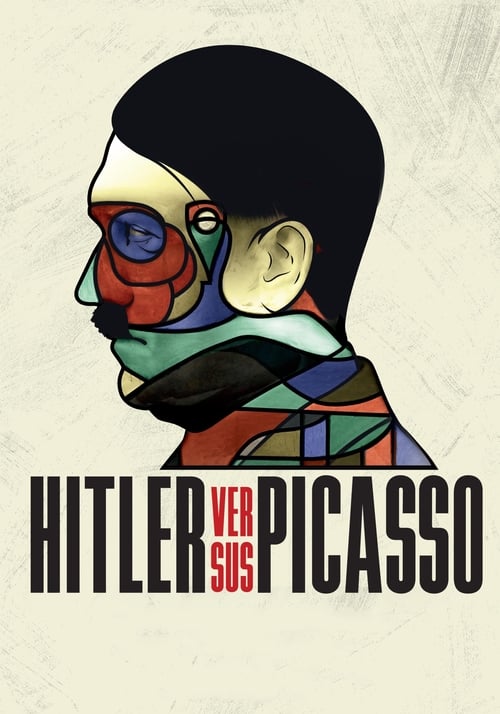
2018
1992

2019
No reviews yet. Be the first to share your thoughts on this movie!
Use the rating form above to leave a star rating and optional review.