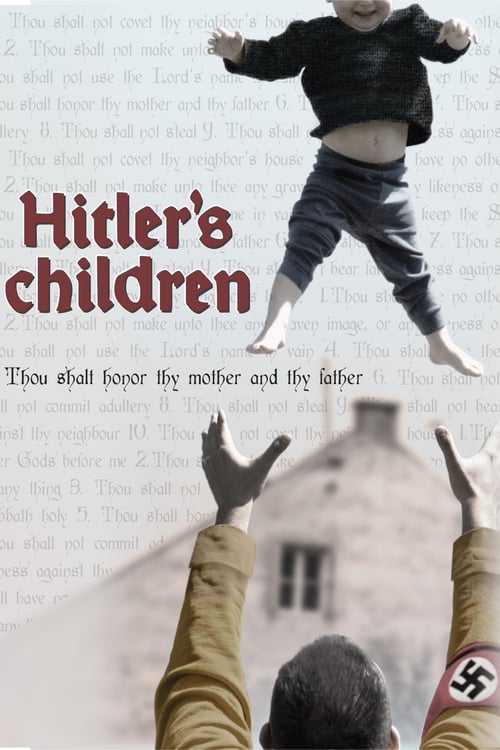
Hitler's Children
2011
No user ratings available yet
Representation score: 4.2 out of 10
Representation Score
Limited
2015
Not RatedDirector
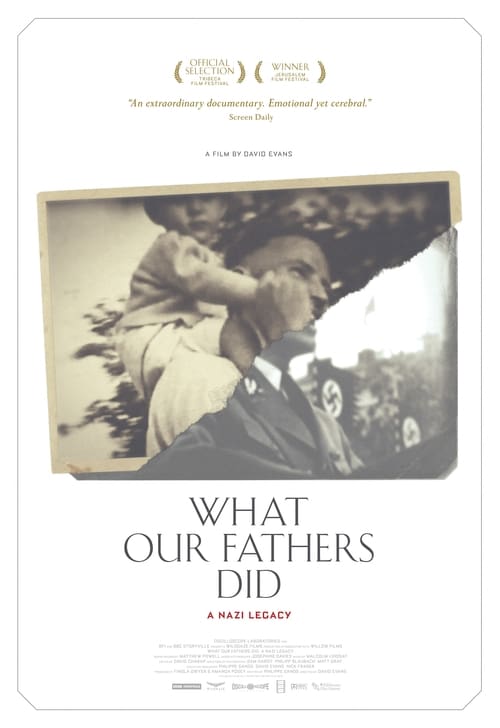
David Evans
Runtime
90 minutes
Average Rating
No ratings yetNew Showbiz Analysis
This documentary emphasizes historical and psychological exploration over diverse representation. It focuses on intergenerational trauma rather than a wide-ranging social analysis. Though the film lacks representation of race and LGBTQ+ identities, it provides a strong critique of traditional Western authority. It questions the sanctity of the patriarchal family unit by highlighting the systemic criminality of historical leaders. The work narrows its demographic scope but offers an intellectual engagement with dismantling nationalist myths and the glorification of historical figures.
Category Breakdown
The documentary focuses on the genealogical and psychological histories of specific figures. It does not include any LGBTQ+ narratives or non-straight identities.
The story centers on the patriarchal lineage, particularly the relationship between Nazi fathers and their sons. It challenges traditional masculine authority by revealing the moral failures of these patriarchs.
The cast is mainly composed of white, European individuals, reflecting the historical context of the descendants of Nazi officials.
The film critiques traditional Western institutions and nationalism. It examines the conflict between family loyalty and universal human rights through the lens of historical accountability.
There is no significant portrayal of physical or neurological disabilities that serve as central narrative drivers in this work.
Present on Screen
Limited or Absent
Official Synopsis
Can you imagine what it means to grow up as the child of a mass murderer? Hans Frank and Otto von Wächter were indicted as war criminals for their roles in WWII. Nazi Governors and consultants to Hitler himself, the two are collectively responsible for thousands of deaths. But what stood out to Philippe Sands were the impressions they left on their sons. While researching the Nuremberg trials, the human rights lawyer came across two men who re-focused his studies: Niklas Frank and Horst von Wächter. The men hold polar opposite views on the men who raised them.
2011
1998
2006
1985
2005
2015
1946
2012
No reviews yet. Be the first to share your thoughts on this movie!
Use the rating form above to leave a star rating and optional review.