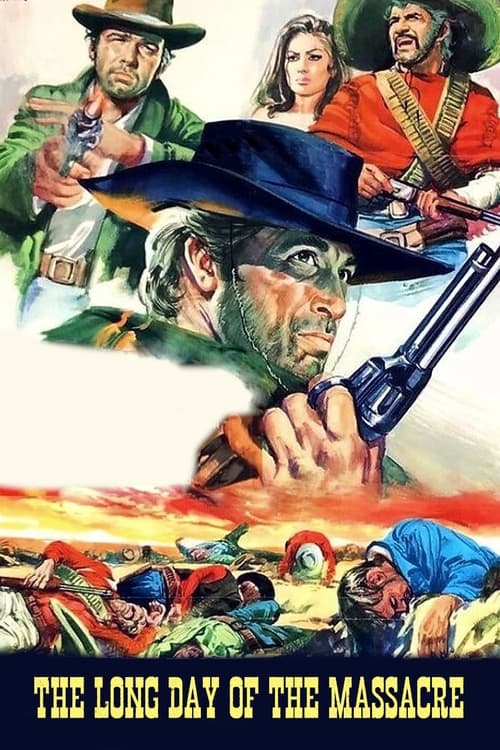
The Long Day of the Massacre
1968
No user ratings available yet
Diversity score: 2.1 out of 10
1966
Director
Alberto Cardone
Runtime
85 minutes
Average Rating
No ratings yetSynopsis
A little boy is abducted by ruthless bandit gang leader El Cachal after Cachal and his men butcher the boy's family with the exception of his father. Johnny Ashley, the gunslinger father of the boy, goes searching for his son. Alas, the boy has grown up to be a mean and vicious criminal. Written by Woodyanders
Overall Score
Limited
Category Breakdown
LGBTQ+ Representation
The film adheres to conventional 1960s romantic structures. There is no evidence of LGBTQ+ characters or narratives that critique heteronormativity.
Gender Representation
Agency is concentrated in a masculine cycle of violence involving a father, a bandit, and a son. No female characters with significant agency are indicated.
Racial & Ethnic Diversity
The film reflects the Spaghetti Western tendency toward diverse Mediterranean casting. However, it lacks evidence of high-agency characters of color or intentional racial blending.
Religious & Cultural Diversity
The narrative explores moral relativism and rejects singular Christian morality through themes of vengeance. It avoids traditional good versus evil dichotomies.
Disability Representation
There is no information available regarding the depiction of physical or mental disabilities within the film.
Strengths
Areas for Improvement
AI Analysis
Seven Dollars on Red is a traditional genre piece driven by masculine archetypes and themes of familial retribution. While it participates in the Spaghetti Western tradition of moral ambiguity, it lacks intentional intersectional complexity. The narrative architecture focuses on a cycle of violence between men, leaving little room for demographic breadth. It functions primarily as a gritty exploration of vengeance rather than a diverse social study. Ultimately, the film stays within the established tropes of its era, prioritizing stylistic violence over modern representation.
1968
1966
1971
1968
1966
1968
1968
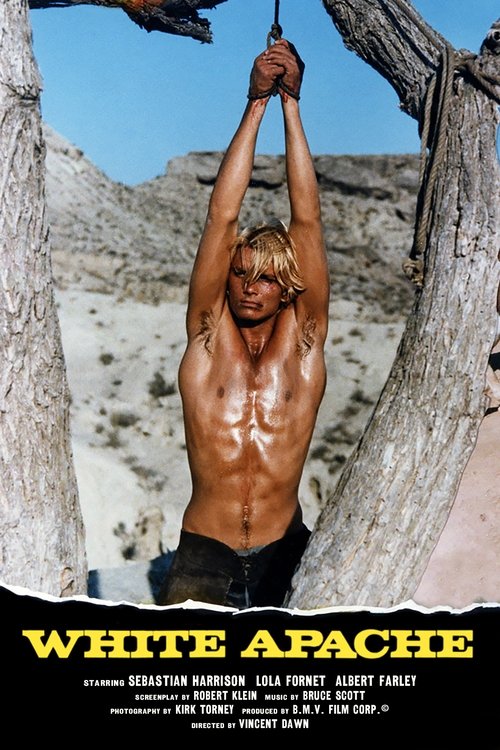
1987

1968
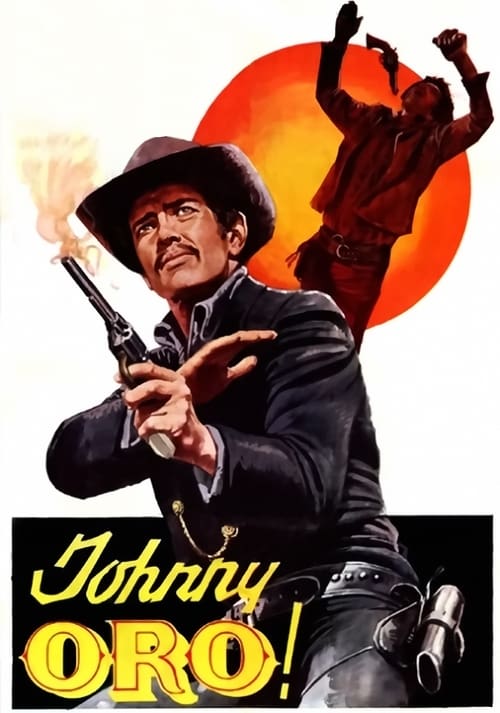
1966

1962
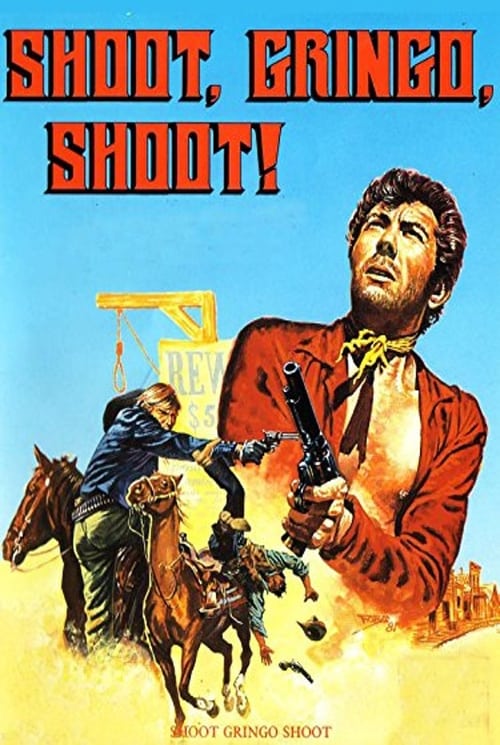
1968
No reviews yet. Be the first to share your thoughts on this movie!
Use the rating form above to leave a star rating and optional review.