
A Sky Full of Stars for a Roof
1968
No user ratings available yet
Diversity score: 3.0 out of 10
1969
Director
Giulio Petroni
Runtime
108 minutes
Average Rating
No ratings yetSynopsis
Hernandez, the sheriff of a small Mexican village, joins a group of townsmen with the intention of killing young orphan Manuel and robbing him of his inheritance. Killer Luke, now an alcoholic for having murdered his own son by mistake, who is chosen for the task, instead decides to take the defence of the poor child.
Overall Score
Fair
Category Breakdown
LGBTQ+ Representation
The film lacks explicit evidence of LGBTQ+ characters or non-heteronormative identities. The narrative focus remains strictly on the conflict between the sheriff, the townsmen, and the orphan.
Gender Representation
The story centers on a masculine-coded conflict involving a sheriff and a male protagonist. There is no indication of female characters possessing significant agency or subverting traditional hierarchies.
Racial & Ethnic Diversity
Set in a Mexican village with a Mexican sheriff, the film shifts away from Anglo-centric Western tropes. This setting provides a degree of ethnic integration within the landscape.
Religious & Cultural Diversity
The film deconstructs Western institutions by portraying the sheriff as a corrupt figure. It prioritizes individual redemption and moral relativism over rigid, systemic morality.
Disability Representation
There is no mention of physical, neurodivergent, or mental health disabilities being used as central character traits or plot devices.
Strengths
Areas for Improvement
AI Analysis
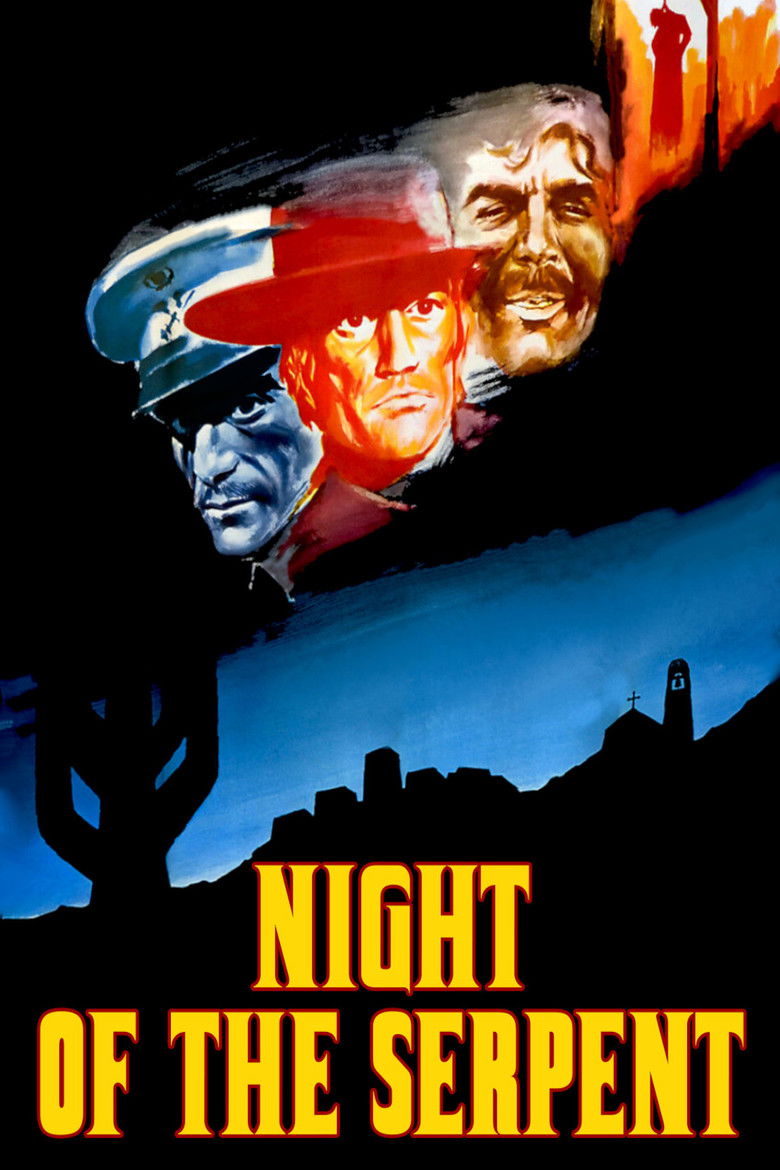
Night of the Serpent functions as a gritty deconstruction of the Western genre, trading idealized heroism for moral ambiguity. While it avoids the typical Anglo-centric focus of Hollywood Westerns by utilizing a Mexican setting, the narrative remains heavily centered on male-driven conflict and traditional gender roles. The film finds its strength in its critique of institutional authority. By presenting a corrupt sheriff, it challenges the sanctity of law and order, favoring a complex exploration of individual ethics and redemption over systemic righteousness. However, the film offers very little in the way of diverse representation beyond its setting. The lack of female agency and the absence of LGBTQ+ or disability-related narratives keep the social scope narrow.
1968
1969
1967
1967

1971

1969

1971
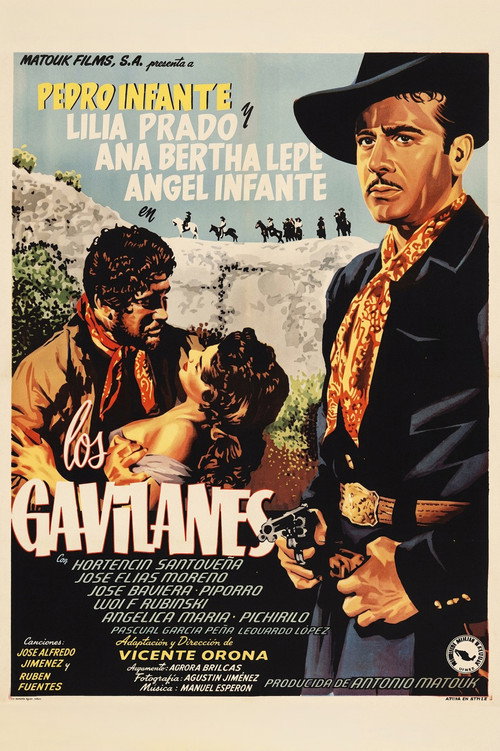
1956
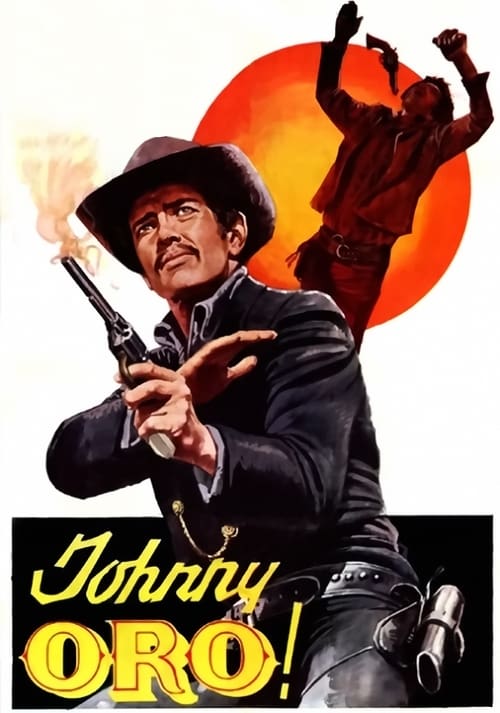
1966
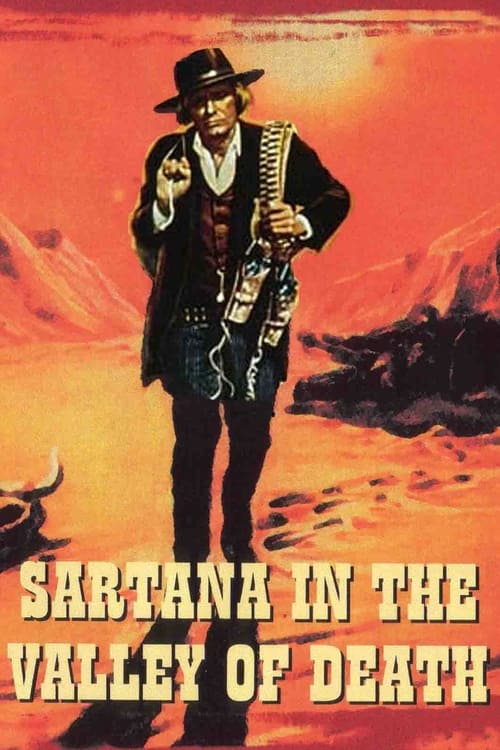
1970
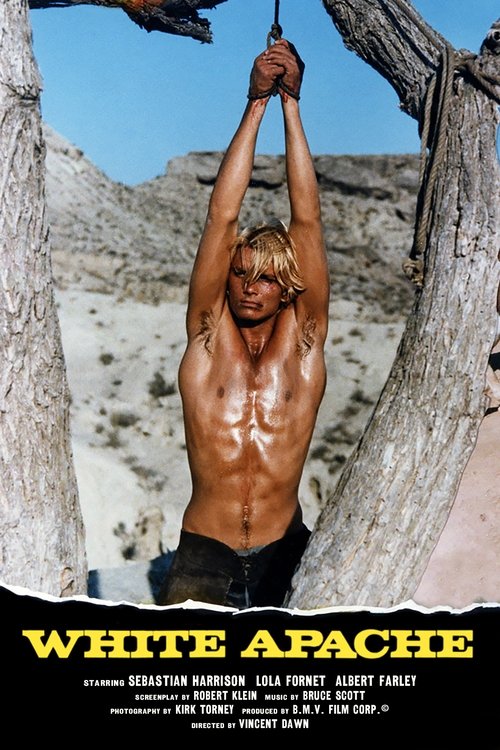
1987

1968
No reviews yet. Be the first to share your thoughts on this movie!
Use the rating form above to leave a star rating and optional review.