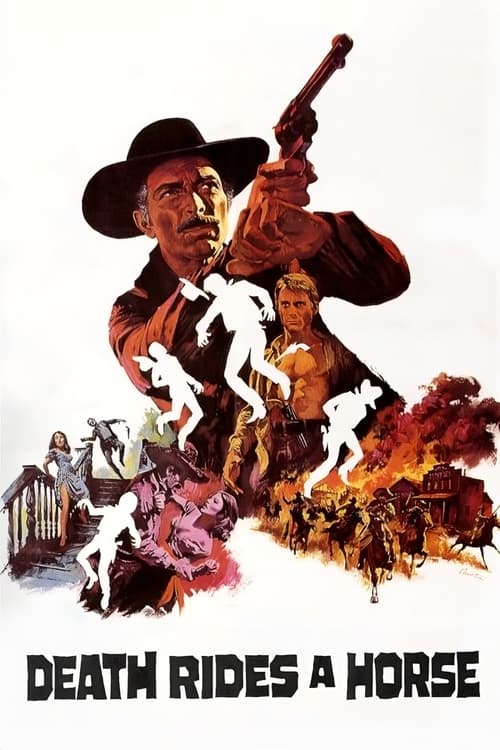
Death Rides a Horse
1967
No user ratings available yet
Representation score: 0.6 out of 10
Representation Score
Fair
1971
Director
Carlo Croccolo
Runtime
95 minutes
Average Rating
No ratings yetNew Showbiz Analysis
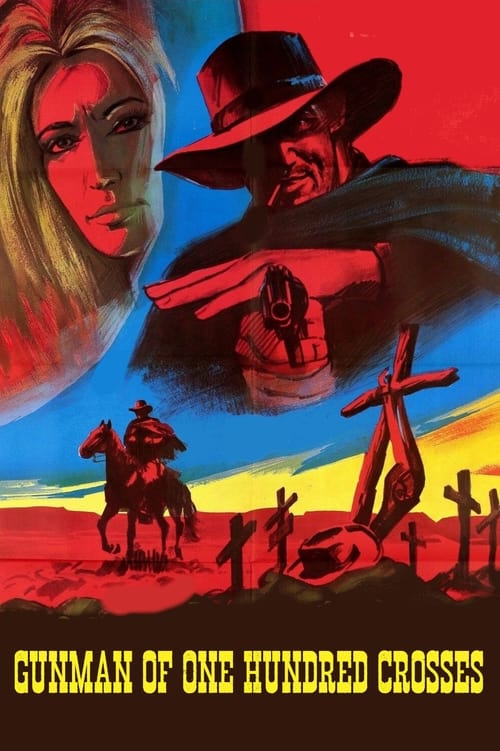
Gunman of One Hundred Crosses is a genre-standard Spaghetti Western that prioritizes themes of vengeance and survival over demographic diversity. While it challenges the 'white hat' morality of classical Westerns through its cynical protagonist, it relies heavily on established archetypes. The film lacks depth in reflecting multiple aspects of identity, focusing instead on a traditional male-driven power dynamic. While the genre often includes international casts, the narrative does not explicitly showcase actively leading characters from diverse backgrounds. Ultimately, the film functions as a gritty exploration of individual justice rather than a vehicle for progressive representation or systemic subversion.
Category Breakdown
The film does not include explicit references to LGBTQ+ characters or identities that go beyond the assumption that everyone is straight and cisgender. The story follows a typical protector-and-protected dynamic within the genre.
The male protagonist, Santana, takes a leading role while the female character serves as a plot catalyst but remains in a vulnerable position.
The film features an international cast but does not confirm the presence of actively leading characters from diverse racial backgrounds. It showcases stylistic diversity without specific racial blending.
The narrative challenges traditional Western morality by embracing moral relativism. Santana is portrayed as a grim, merciless figure who prioritizes personal revenge over institutional or legal order.
There is no mention of characters navigating physical, sensory, or neurodivergent conditions. The synopsis does not provide any information regarding disability representation.
Present on Screen
Limited or Absent
Official Synopsis
A grim, merciless gunfighter known as Santana protects a young woman from the murderers of her family members and at the same time pursues a revenge against a traitor responsible for the death of his fellow soldiers years before.
1967
1966
1968
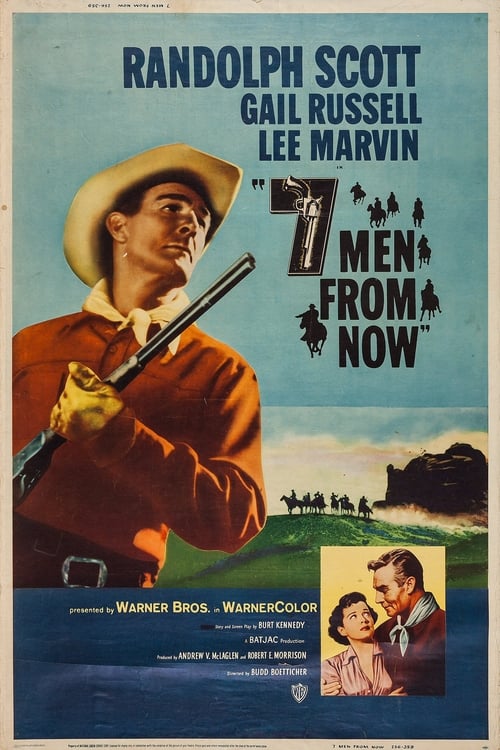
1956
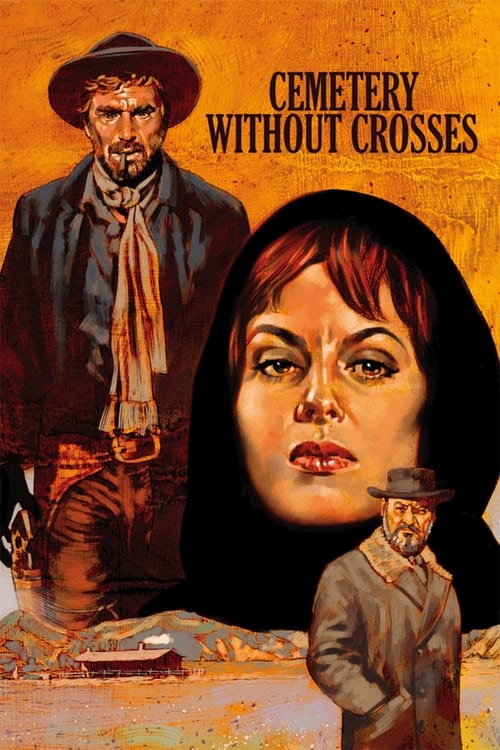
1969
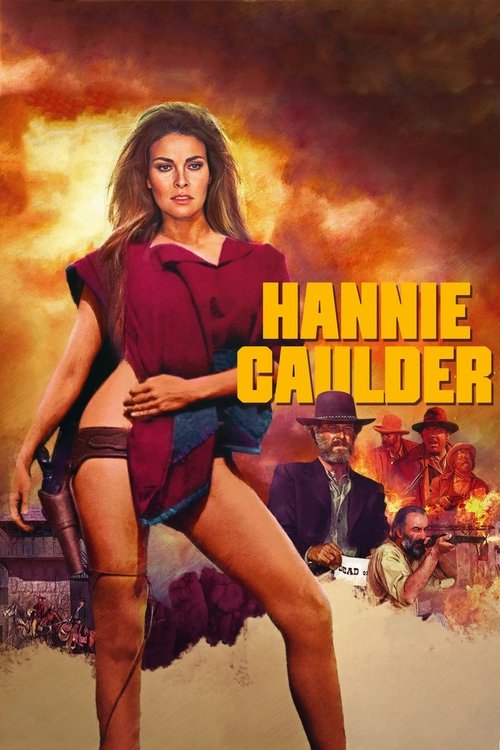
1971

1965
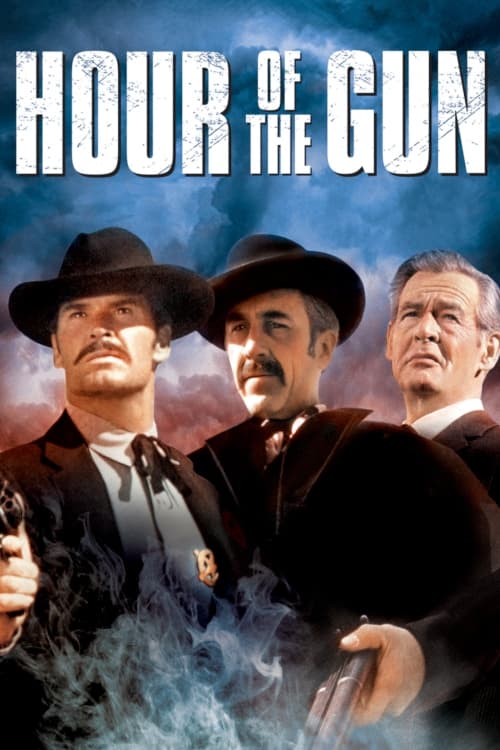
1967
No reviews yet. Be the first to share your thoughts on this movie!
Use the rating form above to leave a star rating and optional review.