It Never Rains
1935
No user ratings available yet
Representation score: 0.4 out of 10
Representation Score
Limited
1936
NRDirector
David Burton
Runtime
65 minutes
Average Rating
No ratings yetNew Showbiz Analysis
Make Way for a Lady is a product of the 1930s studio system, emphasizing traditional domestic comedy. The narrative revolves around a daughter's efforts to find a new wife for her widowed father. While the film grants a female protagonist significant influence, her actions ultimately support patriarchal family norms. The inclusion of Black actors like Willie Best reflects the era's casting practices, though likely within limited, non-challenging roles. Overall, the film reinforces mid-century social hierarchies, focusing on stability and propriety rather than diversity or challenging established norms.
Category Breakdown
The film centers on a widowed father seeking a new wife. It does not include any non-binary gender identities or challenge traditional romantic structures.
A female protagonist drives the plot by trying to influence her father's personal life. However, her actions reinforce traditional gender roles.
The cast includes Willie Best, a well-known Black actor of the time. Representation exists but may be limited by the era's constraints and stereotypical roles.
The film highlights Western values of family unity and social propriety. It upholds the traditional nuclear family structure without questioning its societal role.
There is no information about the portrayal of physical or neurodivergent disabilities in this film.
Present on Screen
Limited or Absent
Official Synopsis
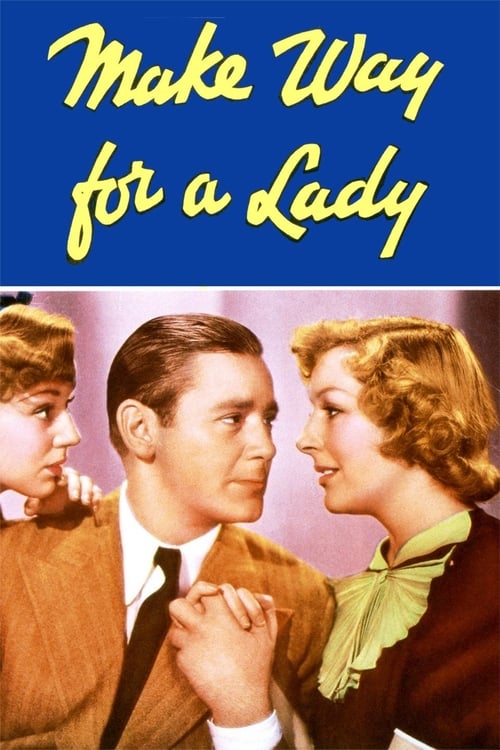
An imaginative teenager decides to play matchmaker for her widowed father. Director David Burton's 1936 comedy stars Herbert Marshall, Anne Shirley, Gertrude Michael, Margot Grahame, Clara Blandick, Frank Coghlan Jr., Willie Best and Maxine Jennings.
1935

1946

1939
1937
1936

1935
1938
1943
No reviews yet. Be the first to share your thoughts on this movie!
Use the rating form above to leave a star rating and optional review.