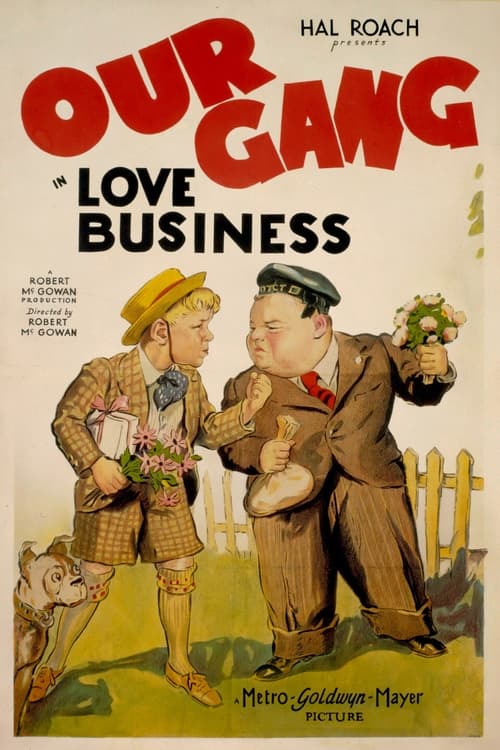
Love Business
1931
No user ratings available yet
Diversity score: 3.2 out of 10
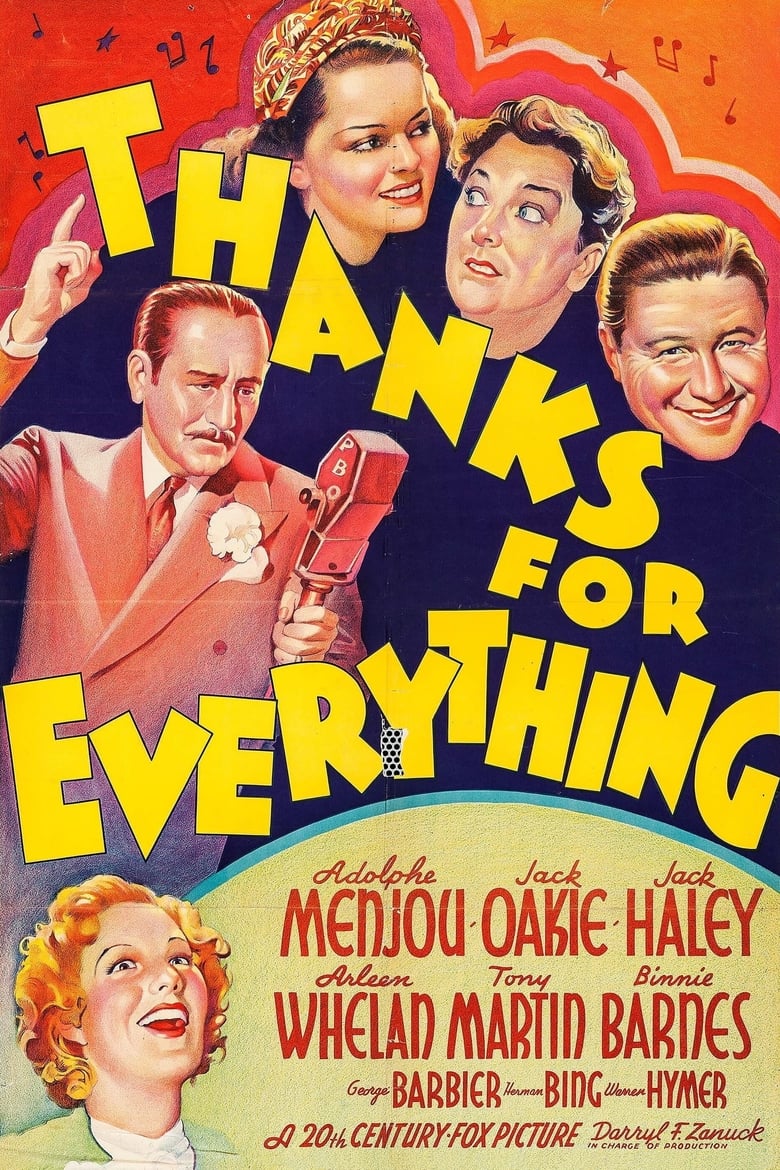
1938
ApprovedDirector
William A. Seiter
Runtime
70 minutes
Average Rating
No ratings yetSynopsis
Promoters set up a radio contest to find the average American and use him to sell food, apparel and notions. All goes well until he falls in love with a girl who upsets things.
Overall Score
Limited
Category Breakdown
LGBTQ+ Representation
The film follows a traditional romantic arc centered on a male protagonist and a female love interest. There is no evidence of non-cisnormative identities or queer perspectives.
Gender Representation
The plot focuses on a male lead whose agency is disrupted by a female character. This suggests a conventional romantic dynamic rather than a subversion of gender hierarchies.
Racial & Ethnic Diversity
The search for the 'average American' likely reinforces a homogeneous, Anglo-Saxon standard typical of 1938. The narrative architecture leans toward traditional demographic norms.
Religious & Cultural Diversity
The story emphasizes consumer culture and mass media integration. It operates within established capitalist frameworks without deconstructing Western institutions or social norms.
Disability Representation
The narrative provides no information regarding characters with visible or invisible disabilities.
Strengths
Areas for Improvement
AI Analysis
Thanks for Everything is a product of the 1930s studio system, prioritizing escapism and conventional social harmonies. The central premise of finding a standardized 'average American' for commercial purposes suggests a narrative designed to uphold, rather than challenge, the era's social status quo. The film's structure relies on traditional tropes, including heteronormative romance and consumerist values. By focusing on mass media and marketing, the story reinforces the period's dominant cultural and economic frameworks.
1931
1943
1946

1952

1931

1929

1943
1935
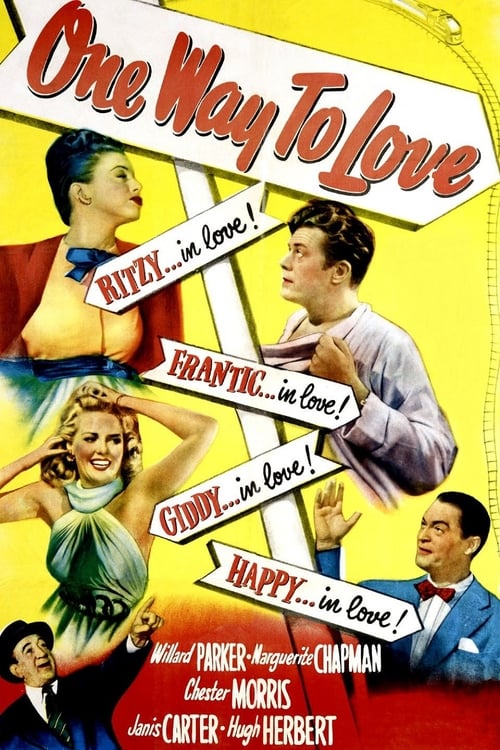
1946
1952
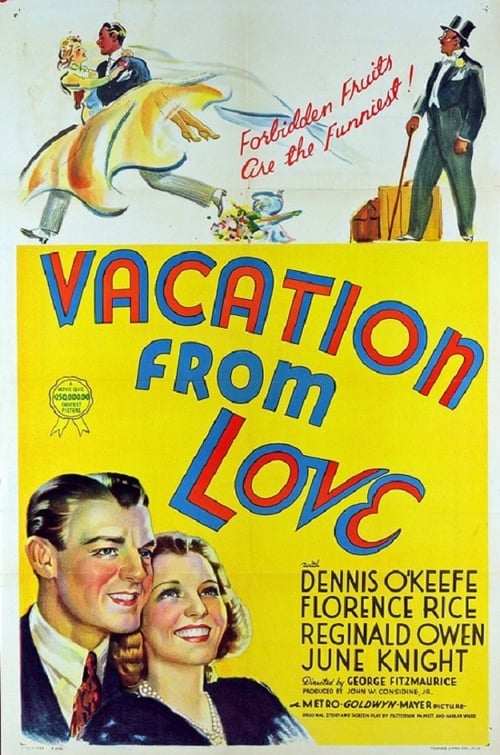
1938
1940
No reviews yet. Be the first to share your thoughts on this movie!
Use the rating form above to leave a star rating and optional review.