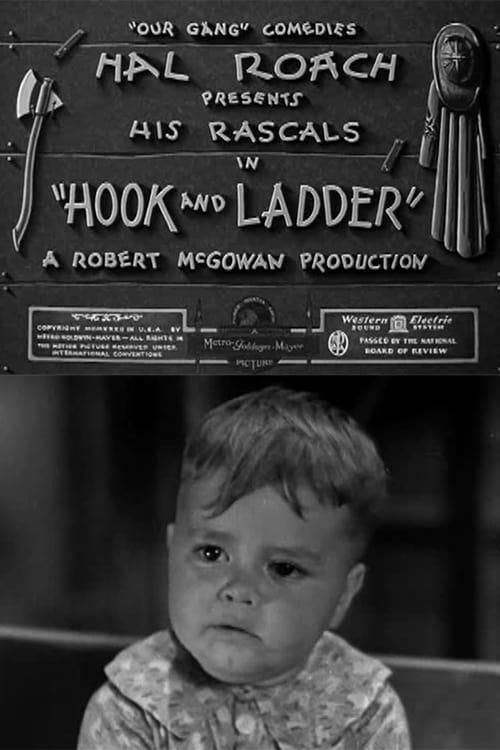
Hook and Ladder
1932
No user ratings available yet
Representation score: 1.2 out of 10
Representation Score
Limited
1934
NRDirector
Gus Meins
Runtime
17 minutes
Average Rating
No ratings yetNew Showbiz Analysis
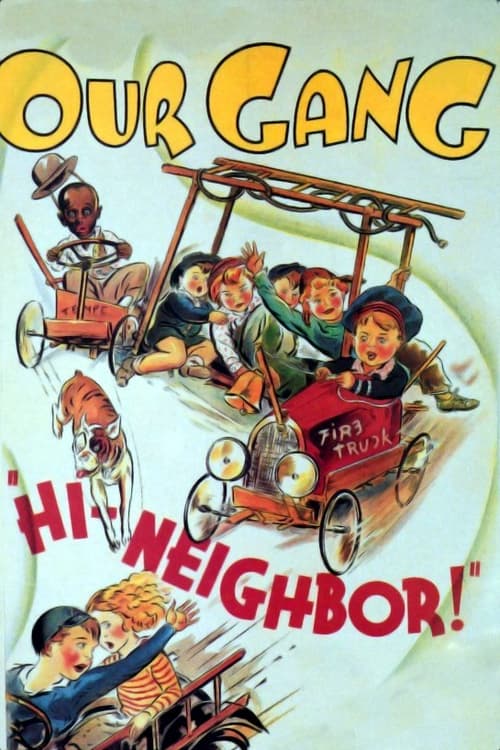
Hi'–Neighbor! operates as a traditional comedic short that emphasizes established social hierarchies. The narrative structure reinforces mid-century norms regarding gender and class rather than challenging them. While the film provides a mild critique of class-based elitism, it lacks complexity in addressing multiple aspects of diversity. The characters mostly embody conventional roles that mirror the social structures of the 1930s. Ultimately, the film prioritizes playground social dynamics and peer-group solidarity over any disruption of systemic social norms.
Category Breakdown
The film follows traditional structures centered around straight relationships. The plot revolves around a typical romance between Wally and Jane, reflecting 1930s social norms.
Jane has some influence by making a choice between Wally and Jerry. However, her role mainly serves to fuel male competition and validate their status.
The story focuses on class conflicts rather than racial diversity. It follows the typical demographic patterns of the era without challenging the status quo.
The narrative explores class friction and the value of communal play. It offers a minor critique of wealth-based elitism through the character of Jerry.
There are no characters with visible or invisible disabilities used as central plot points or subjects of mockery.
Present on Screen
Limited or Absent
Official Synopsis
The gang decides to build their own fire engine.
1932

1934
1934
1934
1936

1923
1938
1926
No reviews yet. Be the first to share your thoughts on this movie!
Use the rating form above to leave a star rating and optional review.