It's a Bear
1924
No user ratings available yet
Representation score: 1.8 out of 10
Representation Score
Limited
1929
Director
Robert F. McGowan
Runtime
20 minutes
Average Rating
No ratings yetNew Showbiz Analysis
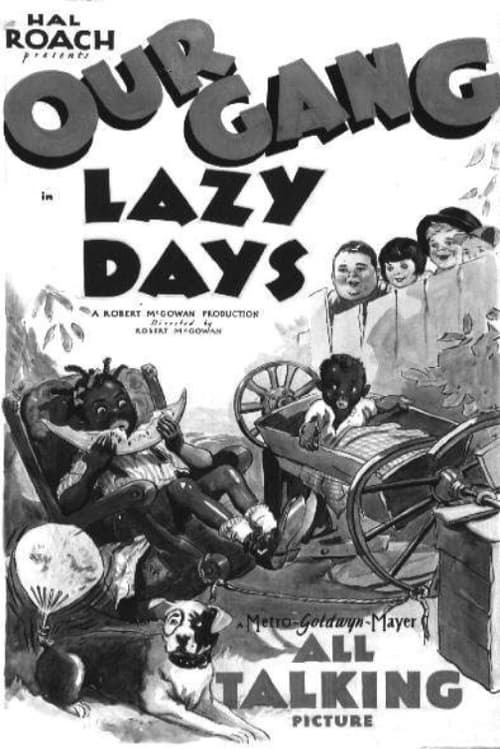
Lazy Days is a comedy set in 1929, reflecting the social norms of that era. Its primary contribution to diversity is the inclusion of Farina, a Black child, as a main character, which was a notable step forward from the era's typical homogeneous casts. However, the film does not challenge contemporary social structures or engage with complex identity issues. It remains a traditional comedic portrayal within a rural setting, lacking modern progressive themes. While the film introduces racial diversity, it does not address other important areas of representation such as LGBTQ+ identities, gender roles, or disabilities.
Category Breakdown
The film does not include any LGBTQ+ characters or narratives. It follows the social norms of 1929, focusing on childhood activities in a rural setting.
The story centers around a boy's pursuit of fun, which leans towards male-centric play. It does not address modern issues related to gender roles or female empowerment.
Including Farina, a Black child, as a main character is significant. This casting breaks the typical white-centric norms of 1929 mainstream cinema. The film provides an early example of racial diversity in its cast.
The film portrays a traditional farm setting without questioning the cultural or religious institutions of the time. It stays within the conventional boundaries of its era.
The film does not depict any physical, neurological, or mental health disabilities.
Present on Screen
Limited or Absent
Official Synopsis
While the other kids and animals find things to do on the farm, Farina becomes single-minded in his quest to do nothing at all.
1924
1933
1932
1937
1933
1923
1934
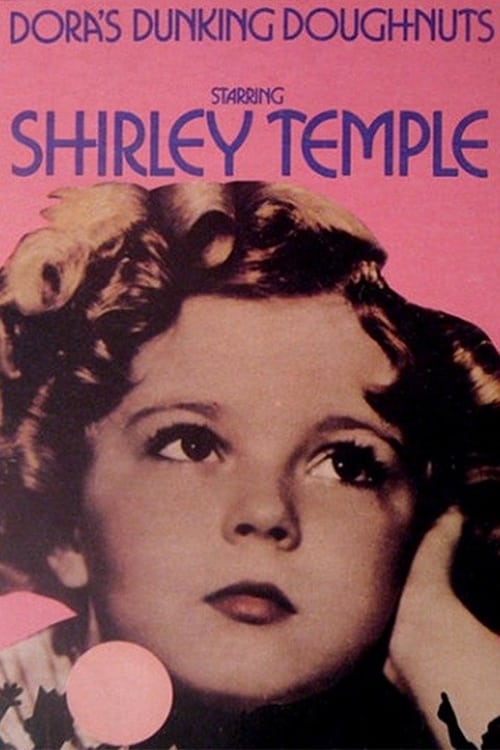
1933
No reviews yet. Be the first to share your thoughts on this movie!
Use the rating form above to leave a star rating and optional review.