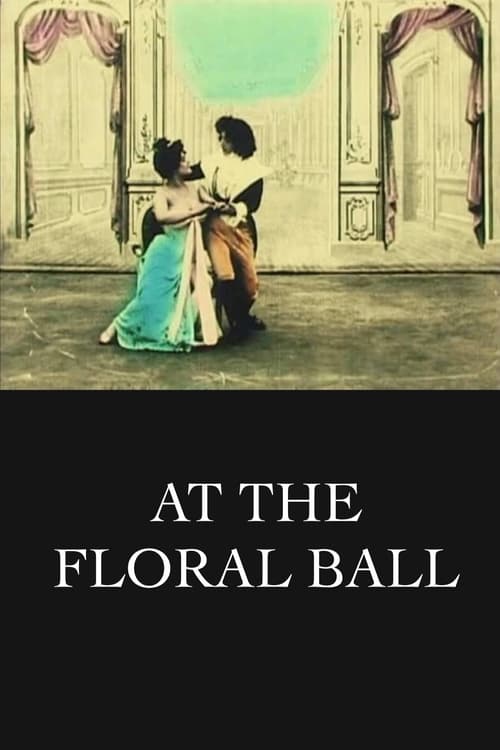
At the Floral Ball
1900
No user ratings available yet
Diversity score: 2.7 out of 10
1894
Director
William K.L. Dickson, William Heise
Runtime
1 minutes
Average Rating
No ratings yetSynopsis
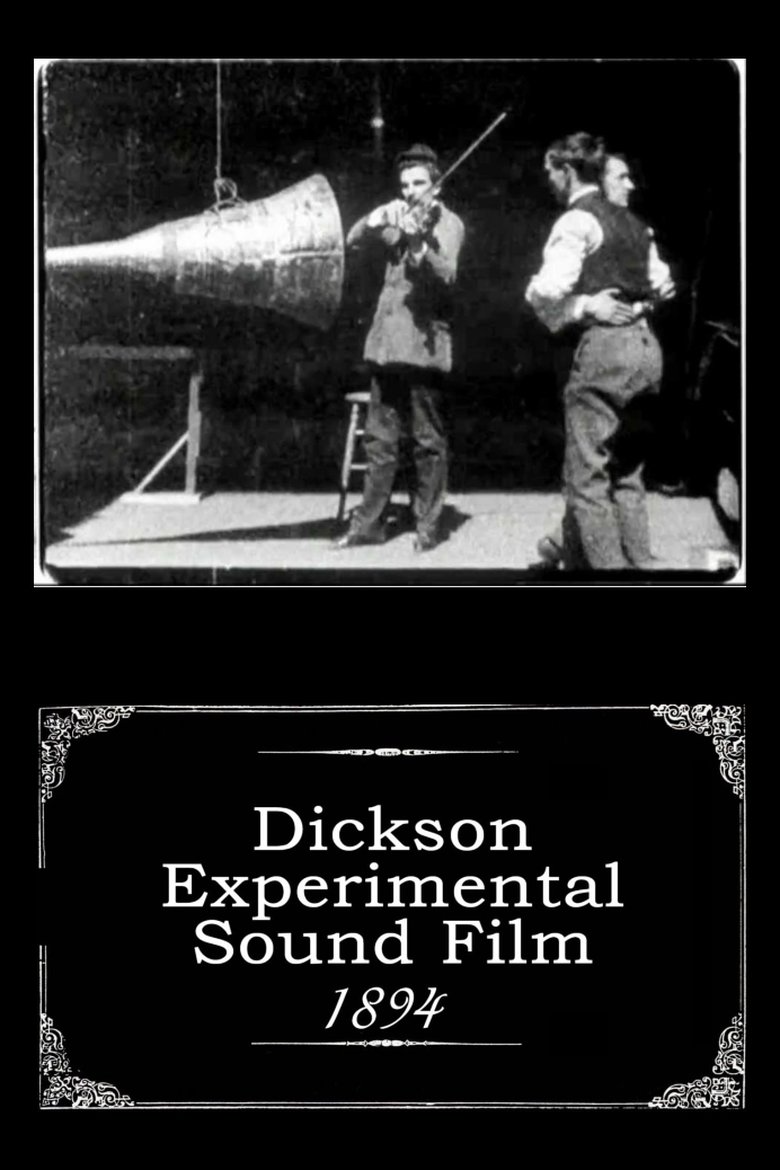
William K.L. Dickson plays the violin while two men dance. This is the oldest surviving sound film where sound is recorded on the phonograph.
Overall Score
Limited
Category Breakdown
LGBTQ+ Representation
This technical demonstration lacks any depiction of queer intimacy or non-cisnormative identities. The film's brief, functional nature provides no framework for identity-based storytelling.
Gender Representation
The film features male performers engaged in musical and rhythmic activities. It lacks female agency or presence, reflecting a limited demographic focus typical of early studio demonstrations.
Racial & Ethnic Diversity
The work focuses on a small group of performers in a controlled studio. It provides no evidence of intersectional casting or high-agency characters of color.
Religious & Cultural Diversity
As a product of the late 19th-century Western industrial era, the film lacks critique of Western institutions. It serves as a utilitarian artifact of technological advancement.
Disability Representation
There is no portrayal of characters with visible or invisible disabilities. The film's objective is purely the synchronization of violin music with visual movement.
Strengths
Areas for Improvement
AI Analysis
As a technical prototype from 1894, this film functions as a historical baseline for media rather than a narrative work. Its primary purpose is to demonstrate the Kinetophone system through synchronized sound and motion. Because the film lacks a plot or character development, it cannot engage with contemporary concepts of intersectionality or social subversion. The content is strictly utilitarian, focusing on the technical achievement of recording violin music and dance. The low diversity scores reflect the absence of a narrative architecture required to represent diverse identities, agency, or cultural critique.
1900

1948
1950
1964
1935
1940
1949
1951
1931
2000

1937
1905
No reviews yet. Be the first to share your thoughts on this movie!
Use the rating form above to leave a star rating and optional review.