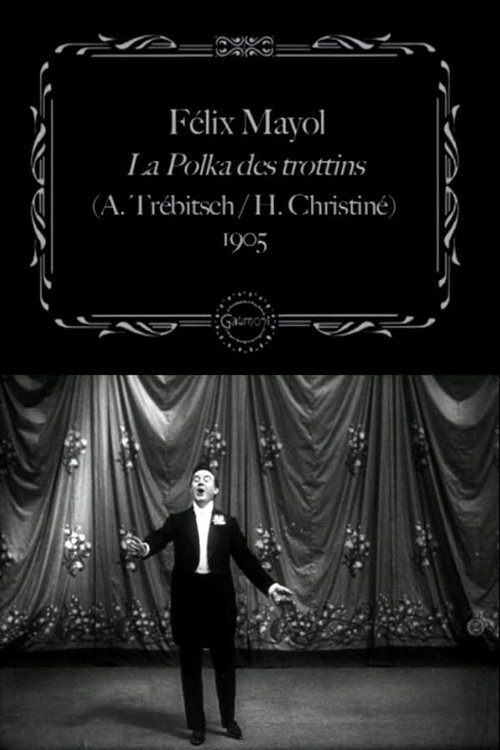
Félix Mayol Performs "The Trottins' Polka"
1905
No user ratings available yet
Diversity score: 2.9 out of 10
1900
Director
Alice Guy-Blaché
Runtime
2 minutes
Average Rating
No ratings yetSynopsis
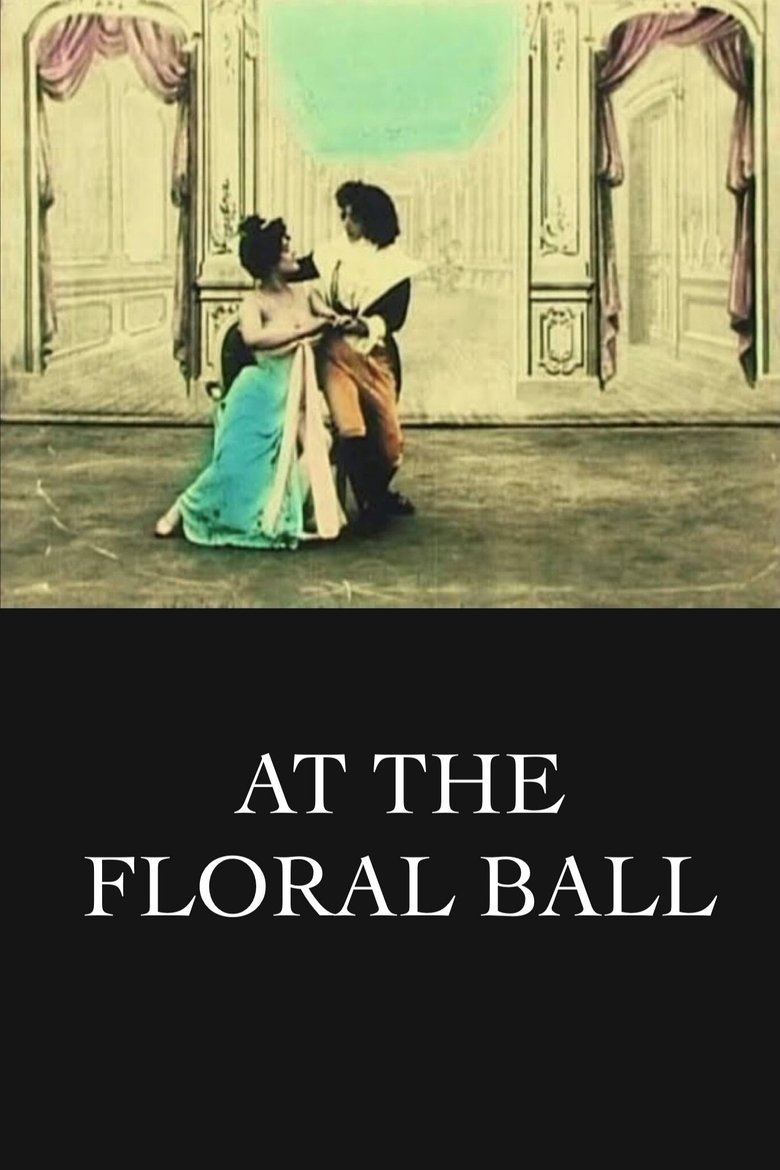
A turn-of-the-last-century hand-tinted short, which features two women, Miss Lally and Miss Julyett, dancing at a ball. By the legendary French filmmaker Alice Guy (attributed only, but not confirmed in any primary sources).
Overall Score
Limited
Category Breakdown
LGBTQ+ Representation
The film lacks evidence of non-heteronormative identities or same-sex intimacy. It operates within the heteronormative social frameworks typical of turn-of-the-century European high society.
Gender Representation
Miss Lally and Miss Julyett serve as the central subjects, providing female visibility. However, the narrative adheres to period social rituals without subverting traditional ballroom hierarchies or demonstrating significant agency.
Racial & Ethnic Diversity
The film depicts a standard European social setting. There is no evidence of a non-white cast or intentional race-bent casting, reflecting the homogeneous demographic norms of the era.
Religious & Cultural Diversity
This vignette celebrates traditional Western social institutions and high-society etiquette. It reinforces the aesthetics of class-based Western culture rather than deconstructing existing social hierarchies.
Disability Representation
No visible or invisible disabilities are documented within this short film.
Strengths
Areas for Improvement
AI Analysis
Alice Guy-Blaché’s role as a pioneering female director provides a progressive foundation for the film's existence. However, the content itself remains a traditionalist snapshot of early 20th-century European life. The film functions primarily as a polished depiction of class-based social norms. It lacks the intersectional complexity or narrative disruption required to move beyond the demographic realities of its time. While the female protagonists are central to the frame, they exist within established social roles. The work serves more as a historical artifact of high-society etiquette than a tool for social change.
1905

1972
1905
1944
1950
2010
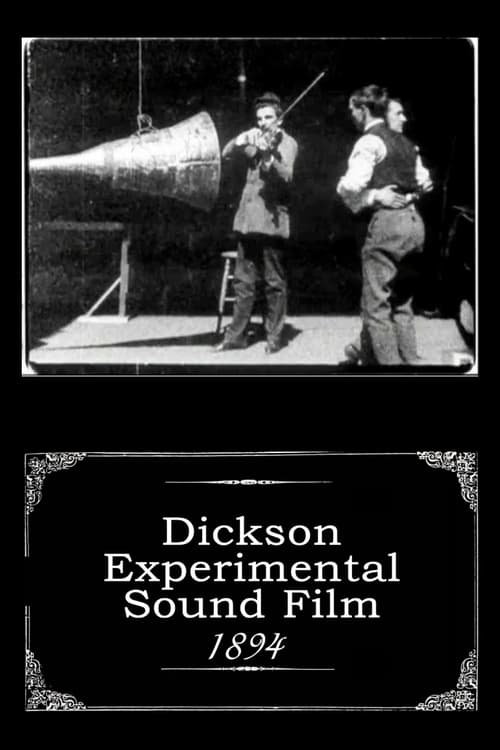
1894
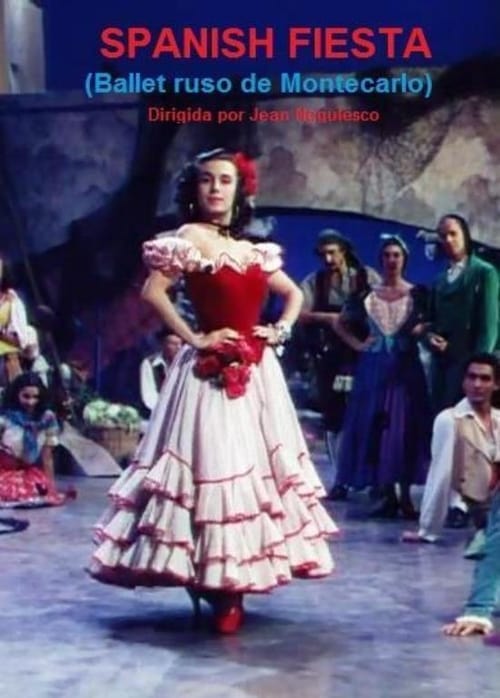
1942
1934
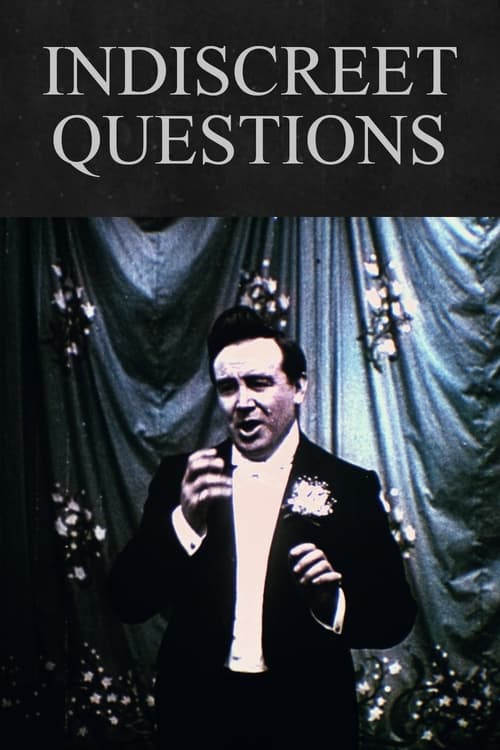
1905
1935
1940
No reviews yet. Be the first to share your thoughts on this movie!
Use the rating form above to leave a star rating and optional review.