Knee Deep In Music
1933
No user ratings available yet
Diversity score: 2.6 out of 10
1950
ApprovedDirector
Carey Wilson
Runtime
10 minutes
Average Rating
No ratings yetSynopsis
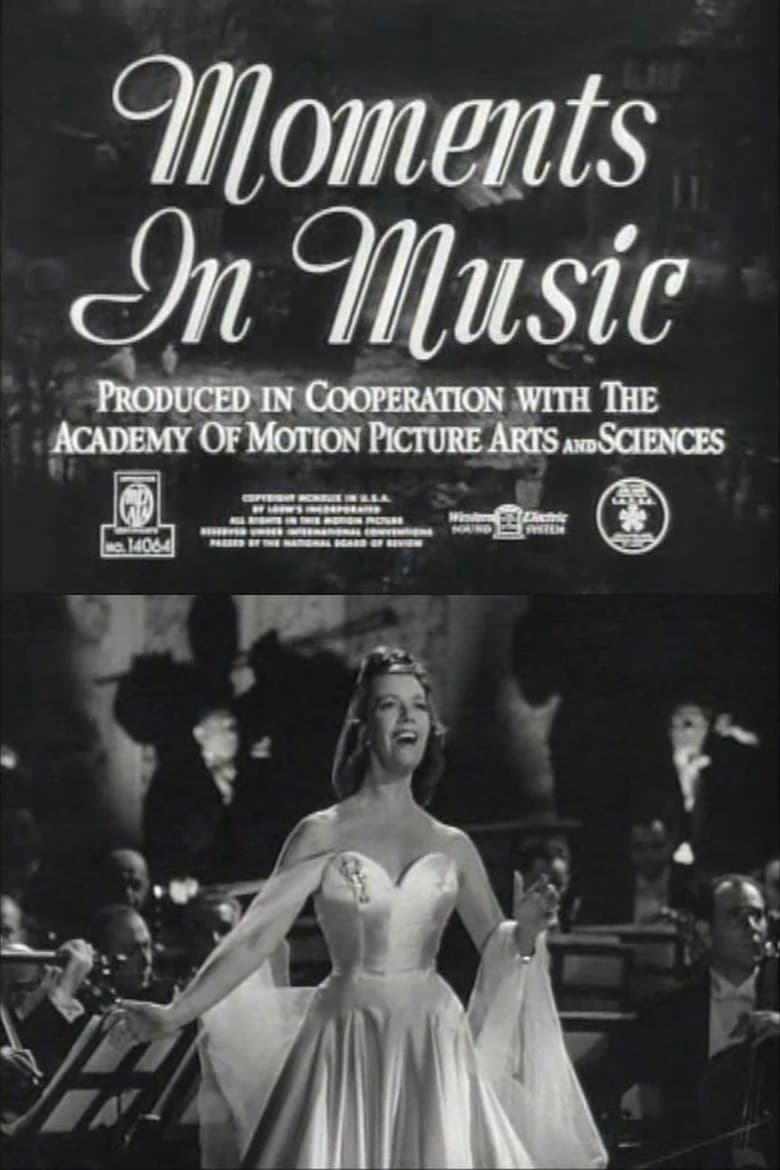
Using clips from several unidentified films of the preceding decade, featuring many well-known stars of the day, this short demonstrates that an endless variety of music to entertain all tastes can be heard when you go to the movies. Preserved by the Academy Film Archive in 2012.
Overall Score
Limited
Category Breakdown
LGBTQ+ Representation
The compilation lacks visible evidence of non-cisnormative identities. The selected clips appear to adhere to the heteronormative romantic tropes common in the era's production standards.
Gender Representation
Performances likely reflect 1940s gender hierarchies. Musical roles appear limited to traditional archetypes like the songstress or the bandleader without any visible subversion of these roles.
Racial & Ethnic Diversity
The film likely leans toward a homogeneous casting model typical of the 1950s studio system. While musical variety is promised, specific diverse performers are not identified.
Religious & Cultural Diversity
The film functions as a celebration of mainstream entertainment. It reinforces traditional mid-century cultural values rather than engaging with complex systemic or secular critiques.
Disability Representation
There is no information available regarding the depiction of physical disabilities or neurodivergence within these musical clips.
Strengths
Areas for Improvement
AI Analysis
Moments in Music serves as a historical montage of 1940s studio footage rather than a cohesive narrative. Because it functions as a promotional showcase for musical variety, it lacks the centralized character arcs necessary to explore progressive themes. The film acts as a retrospective of mainstream mid-century entertainment. It reflects the era's standard casting and social hierarchies, prioritizing traditional tropes over intersectional storytelling or social subversion. Ultimately, the work is a product of the studio system designed for broad appeal. It lacks the intentionality required to drive meaningful representation or challenge the status quo of its time.
1933

1946
1934
1965
1947
1942
1948
1948
1954

1929
1947
1939
No reviews yet. Be the first to share your thoughts on this movie!
Use the rating form above to leave a star rating and optional review.