Let's Sing a Song of the West
1947
No user ratings available yet
Diversity score: 2.2 out of 10

1948
ApprovedDirector
Jack Scholl
Runtime
9 minutes
Average Rating
No ratings yetSynopsis
A retrospective of popular music from the 1890s and the turn of the century, with words for the audience to join in.
Overall Score
Limited
Category Breakdown
LGBTQ+ Representation
The film offers no evidence of non-cisnormative identities or narratives that challenge heteronormativity. It aligns with the traditional domesticity and social constraints of the late 1940s.
Gender Representation
The musical structure likely reinforces traditional gender hierarchies. There is no indication of women occupying roles of intellectual or physical dominance over their male counterparts.
Racial & Ethnic Diversity
The film reflects the demographic homogeneity of the late 19th-century musical canon. It lacks diverse casting or any attempt to challenge Anglo-Saxon centricity.
Religious & Cultural Diversity
The production celebrates nostalgia and traditional Western musical heritage. It emphasizes familial continuity and the preservation of established cultural norms through a historical lens.
Disability Representation
Specific details regarding neurodivergence or physical disabilities are unconfirmed. The sing-along genre typically prioritizes able-bodied performers to facilitate audience participation.
Strengths
Areas for Improvement
AI Analysis
Let's Sing Grandfather's Favorites serves as a traditionalist cultural artifact rather than a progressive piece of cinema. It functions as a musical retrospective designed for nostalgic reinforcement, focusing on the popular songs of the 1890s. The film relies heavily on the historical status quo, offering little to no intersectional agency. Its structure favors established social hierarchies and the preservation of conventional Western musical traditions. Ultimately, the work prioritizes historical stability and traditionalist sentiment over any meaningful social commentary or representation of marginalized groups.
1947
1948
1948
1948
1948
1948
1948
1947

1936
1947
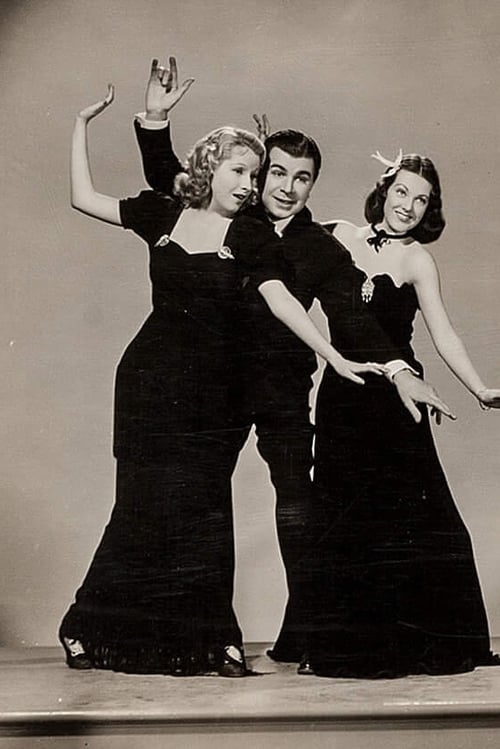
1938
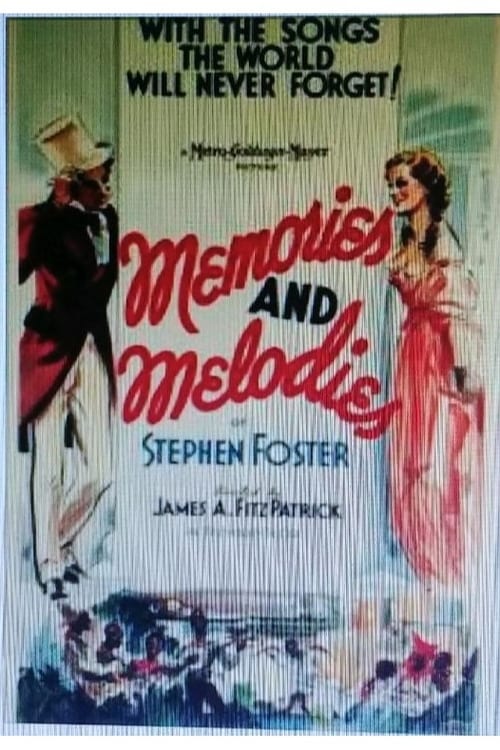
1935
No reviews yet. Be the first to share your thoughts on this movie!
Use the rating form above to leave a star rating and optional review.