All My Life
1966
No user ratings available yet
Representation score: 3.3 out of 10
Representation Score
Minimal
1949
Director
Jean Mitry
Runtime
9 minutes
Average Rating
No ratings yetNew Showbiz Analysis
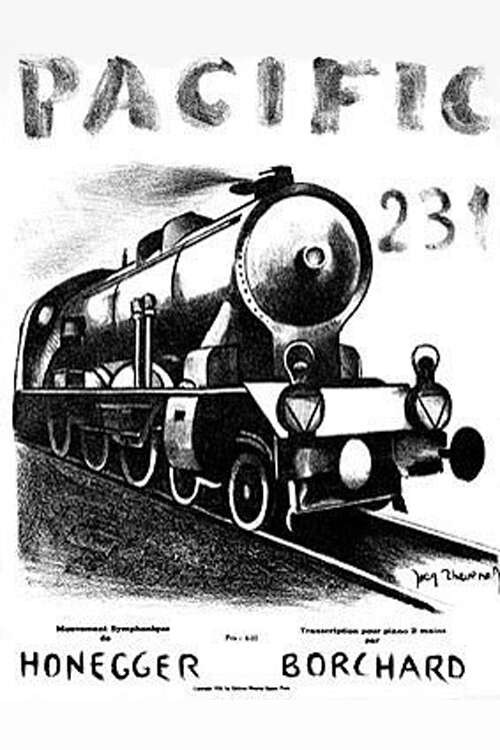
Jean Mitry’s work is a formalist study of mechanical motion rather than a character-driven narrative. By centering the locomotive as the sole protagonist, the film operates outside traditional frameworks of human social dynamics. Because the film eschews dialogue and interpersonal conflict in favor of rhythmic montage, standard sociological analysis of identity politics is inapplicable. The focus is strictly on the aesthetics of motion and mid-century engineering rather than a study of human culture or social interaction.
Category Breakdown
Since there are no human characters in the film, there is no opportunity to represent sexual orientation or gender identity.
The film focuses solely on mechanical components such as gears and wheels, with no depiction of gendered characters or exploration of gender hierarchies.
As the film features only industrial machinery and landscapes, it does not engage with racial or ethnic identity.
The film presents a purely secular, mechanical perspective, avoiding religious frameworks by focusing on the power of industrialization and the physics of motion.
With no human subjects present, the film does not represent physical or neurodivergent identities.
Present on Screen
Limited or Absent
Official Synopsis
An engine moves from the roundhouse to a track where it couples with several passenger cars. At 2:10 in the afternoon, it starts a trip out of the station through the countryside to its destination. The film consists of a montage of shots, some close up, of the engine and its gears and wheels. With the accompanying ambient sounds and an orchestral score, the emphasis is on the engine's power and speed. Parallel lines of multiple tracks, telephone wires, and trees confirm a careful composition.
1966

1927
1928
1929
1958
1983
1938
1979
No reviews yet. Be the first to share your thoughts on this movie!
Use the rating form above to leave a star rating and optional review.