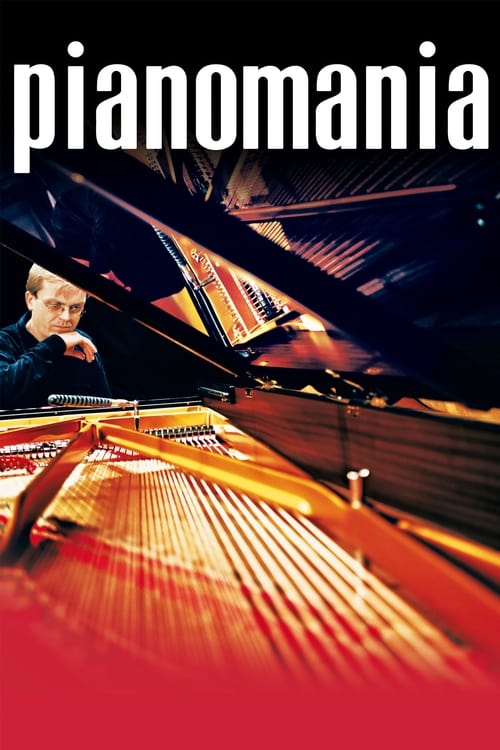
Pianomania
2009
No user ratings available yet
Representation score: 2.9 out of 10
Representation Score
Limited
2000
TV-GDirector
Bruno Monsaingeon
Average Rating
No ratings yetNew Showbiz Analysis
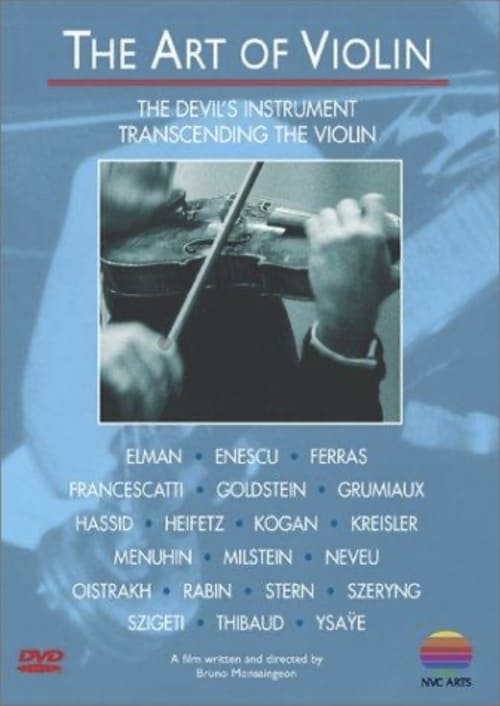
The Art of Violin serves as a cinematic survey of 20th-century virtuosity rather than a vehicle for social commentary. It prioritizes technical mastery and historical lineage over identity politics. While reflecting the historical realities of a Western-centric musical scene, the film offers meaningful representation through the inclusion of Jewish musicians. However, the narrative remains firmly rooted in the preservation of traditional Western artistic excellence. Ultimately, the work is a respectful archive of masters, and its low diversity score is a result of its adherence to the institutional realities of the classical music world it documents.
Category Breakdown
The film does not include any LGBTQ+ characters or narratives. It focuses solely on the technical aspects of violin performance.
The film maintains a patriarchal structure due to its historical context. Although it includes female virtuosos like Ginette Neveu, it does not challenge traditional gender hierarchies.
The film showcases a diverse range of performers from around the world. The inclusion of prominent Jewish musicians highlights non-Anglo-Saxon identities within classical music.
The documentary emphasizes Western classical music and its institutions. It upholds the Western musical tradition as a pinnacle of human achievement.
The film does not focus on disability as a narrative theme. It does not actively address neurodivergence or physical disabilities.
Present on Screen
Limited or Absent
Official Synopsis
A film written and directed by Bruno Monsaingeon. Drawing on archival performance footage and interviews, The Art of Violin evokes the vast panorama of the world of the violin in the 20th century and its most outstanding performers. It is hard to express the explosions of joy occasioned by the discovery of long sought-out but undreamed-of archives, such as some silent - and later resynchronised - film footage, or the few brief moments of Chausson's Poeme played by Ginette Neveu, the silent yet moving (in every sense of the word)images of Kreisler and Ysaye, the awe of a young Menuhin, the superb single camera shot of David Oistrakh performing the cadenza from Shostakovich's First Concerto. Contributions from Ivry Gitlis, Ida Haendel, Hilary Hahn, Laurent Korcia, Yehudi Menuhin, Itzhak Perlman, and Mstislav Rostropovich, Produced by Pierre-Olivier Bardet & Stephen Wright.
2009
2022
2016
1999
2003
1969
2009

1973
No reviews yet. Be the first to share your thoughts on this movie!
Use the rating form above to leave a star rating and optional review.